Students as co-creators of European University alliances
Following the Council of the European Union’s 2017 decision to implement the European Universities Initiative, 73 European University Alliances are now in operation, bringing together almost 650 higher education institutions from across Europe. In 2025, Kauno kolegija joined this initiative, joining forces with seven other European higher education institutions to establish the UNINOVIS – Data for L.I.F.E. alliance.
Jolanta Bareikienė, Vice Director for Studies at Kauno kolegija, and Mantas Gutauskas, the Kauno kolegija student representative on the UNINOVIS Executive Board, share their insights into the value the alliance creates for students, the international opportunities it offers and the importance of active student engagement.
UNINOVIS students take an important step towards a stronger community
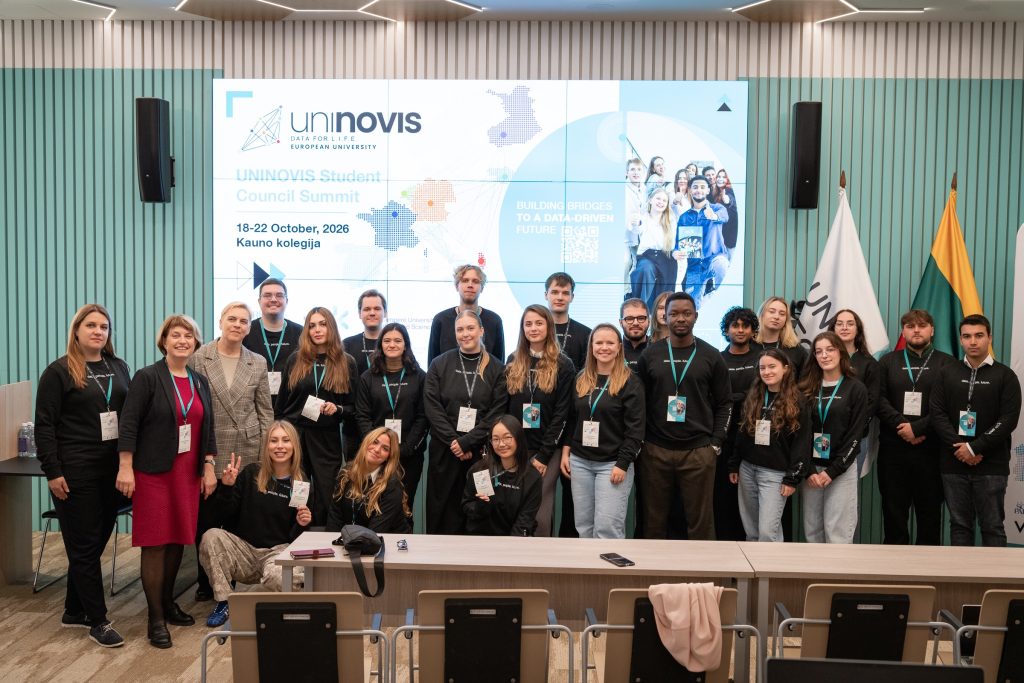
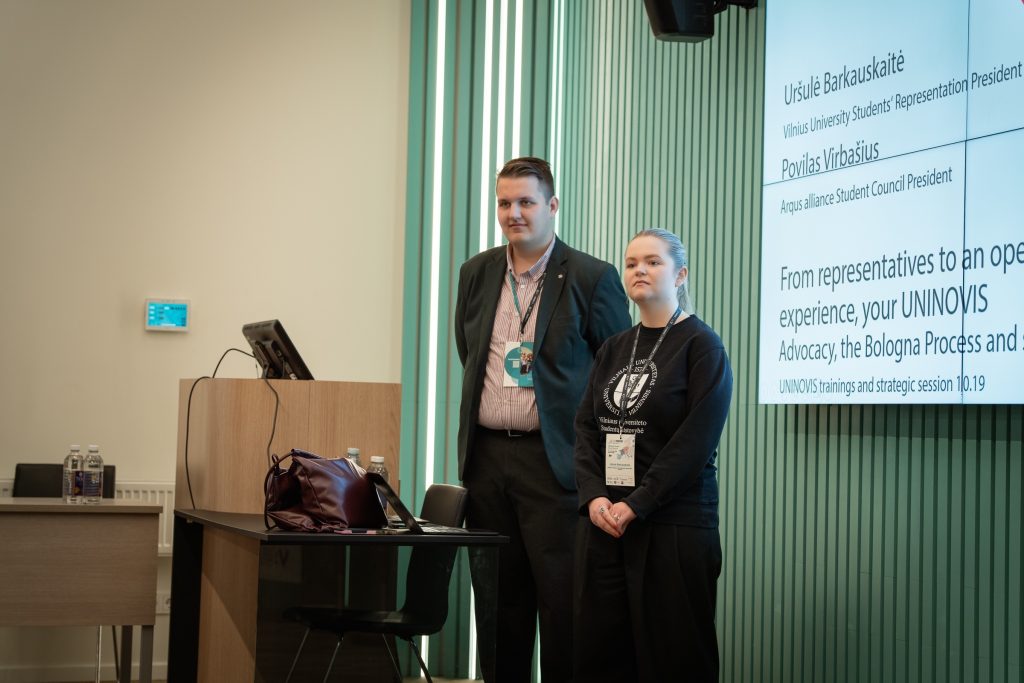
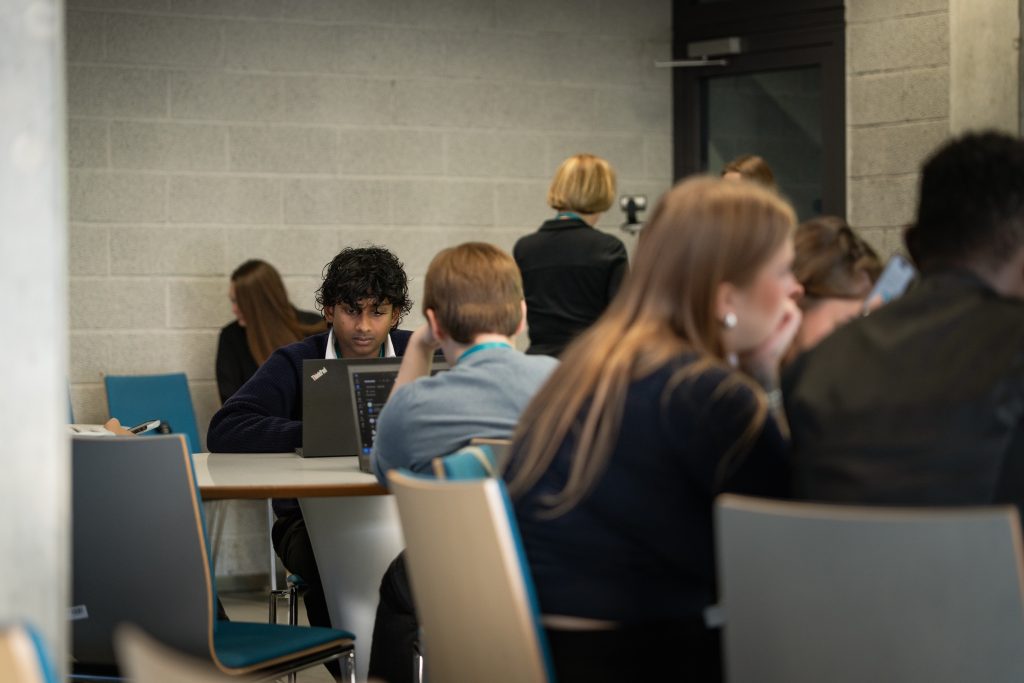
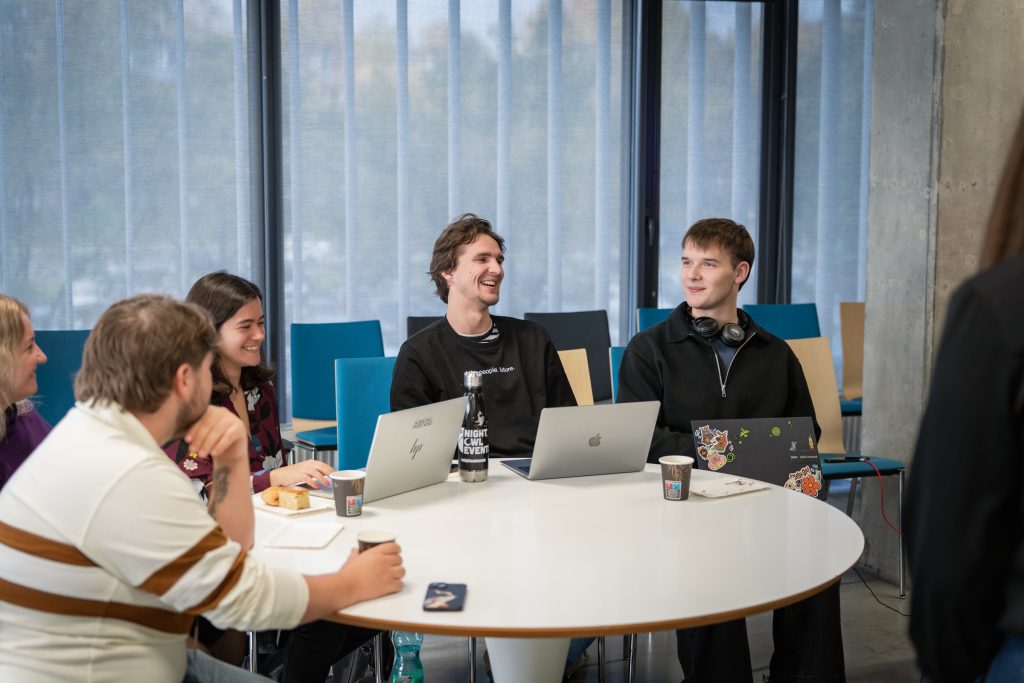
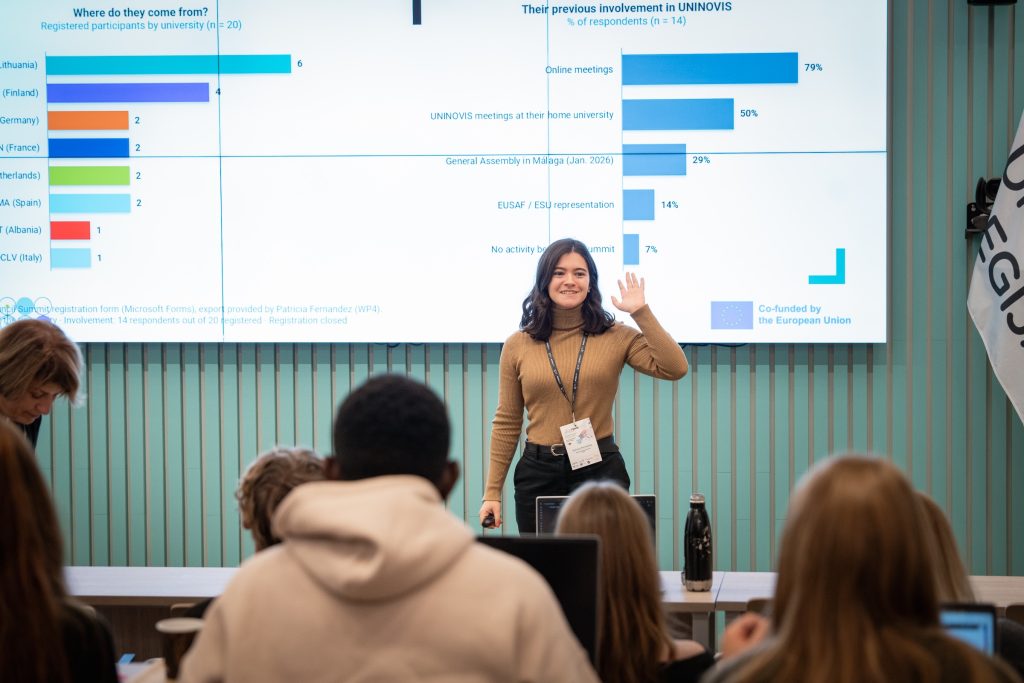
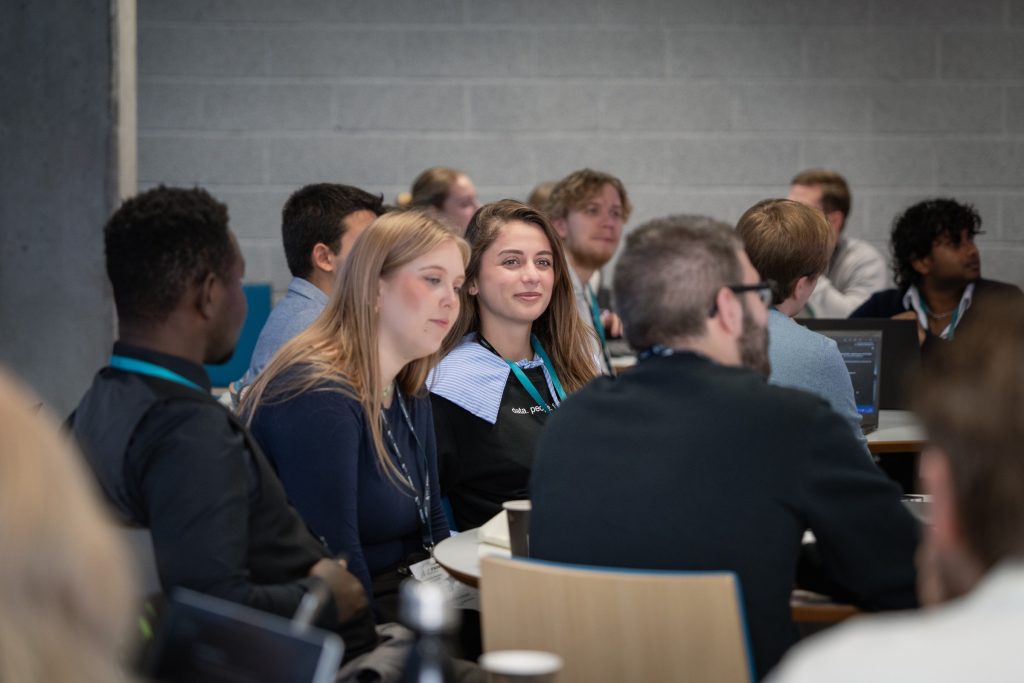
Held at Kauno kolegija from 18 to 22 October, the UNINOVIS Student Council Summit, entitled ‘Students as Partners: Building an Engaged, Resilient and Connected UNINOVIS European University Community’, brought together students from the alliance’s partner institutions.
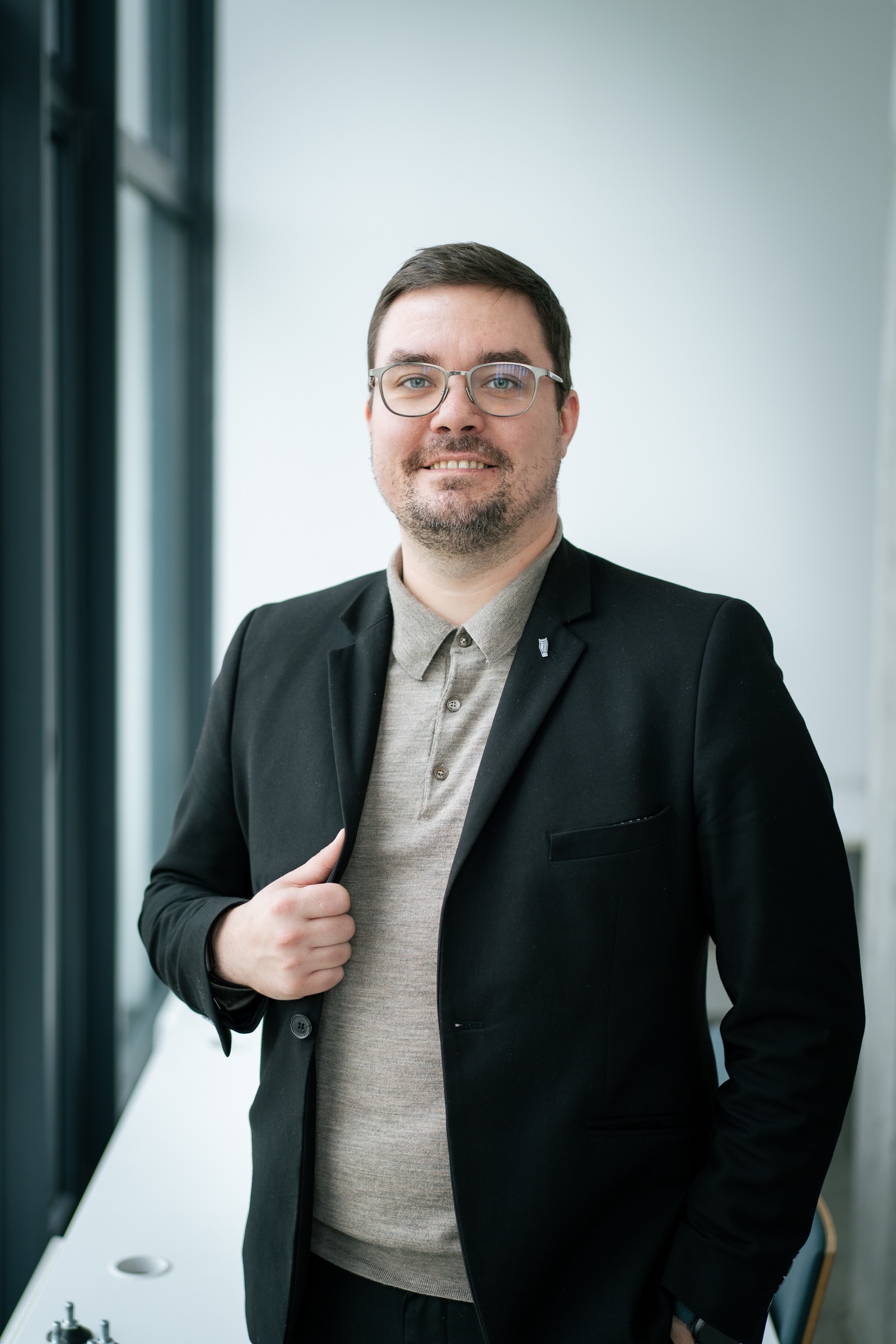
M. Gutauskas, the Kauno kolegija student representative on the UNINOVIS Executive Board, explains that the aim of the meeting was to address an issue of importance to students across the alliance’s member institutions: establishing a student self-governance structure and leadership team.
‘Now that the UNINOVIS student self-governance leadership team has been established and its structure approved, we can ensure smoother communication and cooperate more effectively with the alliance’s leadership. This will make it easier to access up-to-date information about UNINOVIS activities and become more actively involved in them,’ M. Gutauskas says, reflecting on the outcomes of the meeting.
In his view, the primary role of student self-governance in this process is to ensure the smooth flow of information. He explains that the information received should first reach local student representative bodies, which would then pass it on to students at their respective institutions.
‘As local student representative bodies already have established communication channels and ways of informing students, the priority at this stage is to integrate into existing communication networks and make effective use of the channels already available. In the longer term, we aim to develop a shared student information network that connects all UNINOVIS students and ensures that information is communicated consistently and accessibly throughout the community,’ M. Gutauskas says.
He adds that the alliance is now entering a kind of start-up phase, during which it will be necessary not only to familiarise students with the alliance’s activities and gain a better understanding of their nature, but also to consider how best to present information to students in an engaging and accessible way.
‘Over the next two months, it will be particularly important to clarify how this can be achieved so that we enter 2027 with a clear action plan and specific objectives,’ M. Gutauskas explains.
He also emphasises that one of the key factors for success in this process is the active involvement of student representatives in the alliance’s various work packages.
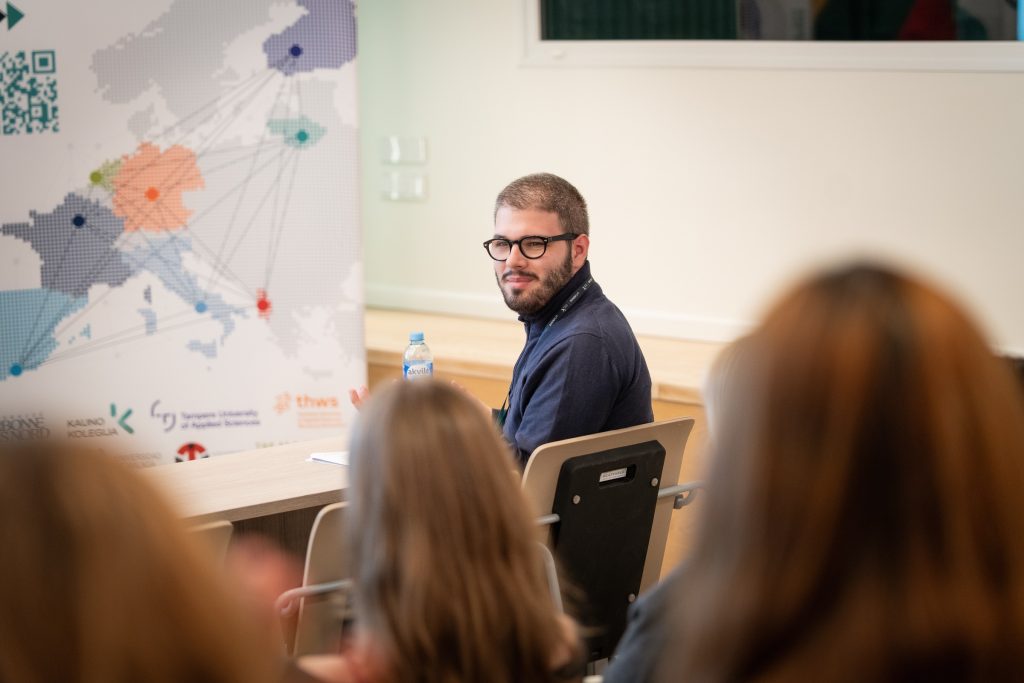
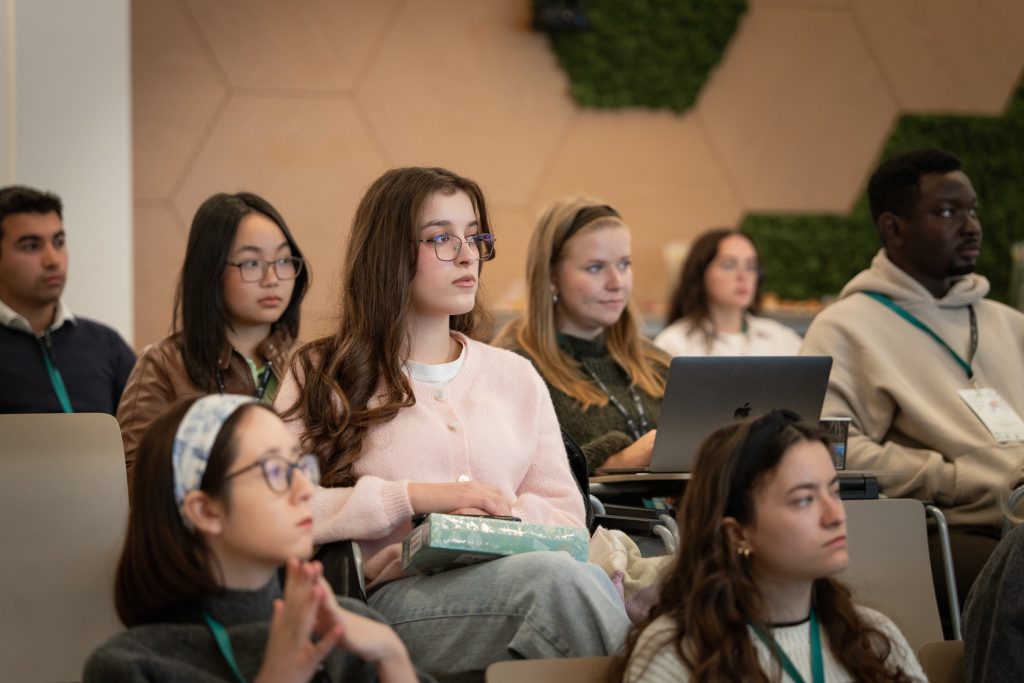
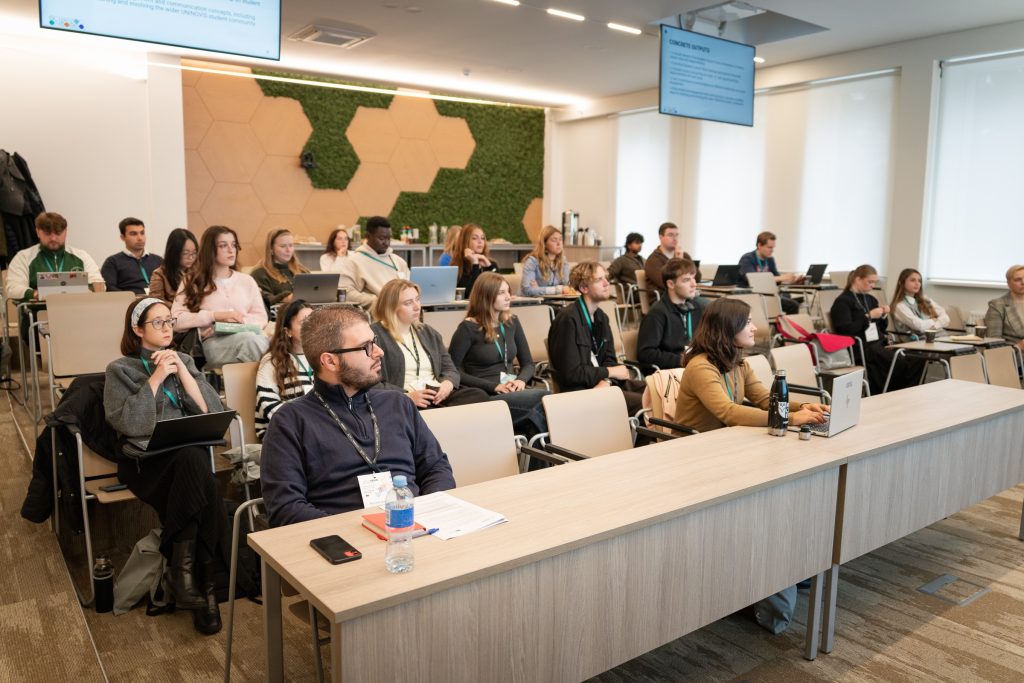
‘Only by ensuring the consistent participation of student representatives in student self-governance activities will we be able to represent students’ interests effectively and create tangible value for them. Naturally, this will also require support from our partners and active cooperation,’ M. Gutauskas says.
Equal partners in shaping the future of higher education
J. Bareikienė, Vice Director for Studies at Kauno kolegija, points out that the institution’s membership of a European University alliance offers numerous opportunities for the entire community, particularly its students. According to her, intercultural networking and participation in international student events and projects enable students to establish professional connections across Europe.
‘Membership of UNINOVIS provides broader lifelong learning opportunities. These include more flexible forms of international mobility and the option to undertake micro-credentials. Alongside traditional semester-long exchanges, students can take part in blended intensive programmes, while short-term visits, summer schools and virtual collaboration offer further opportunities,’ J. Bareikienė says.
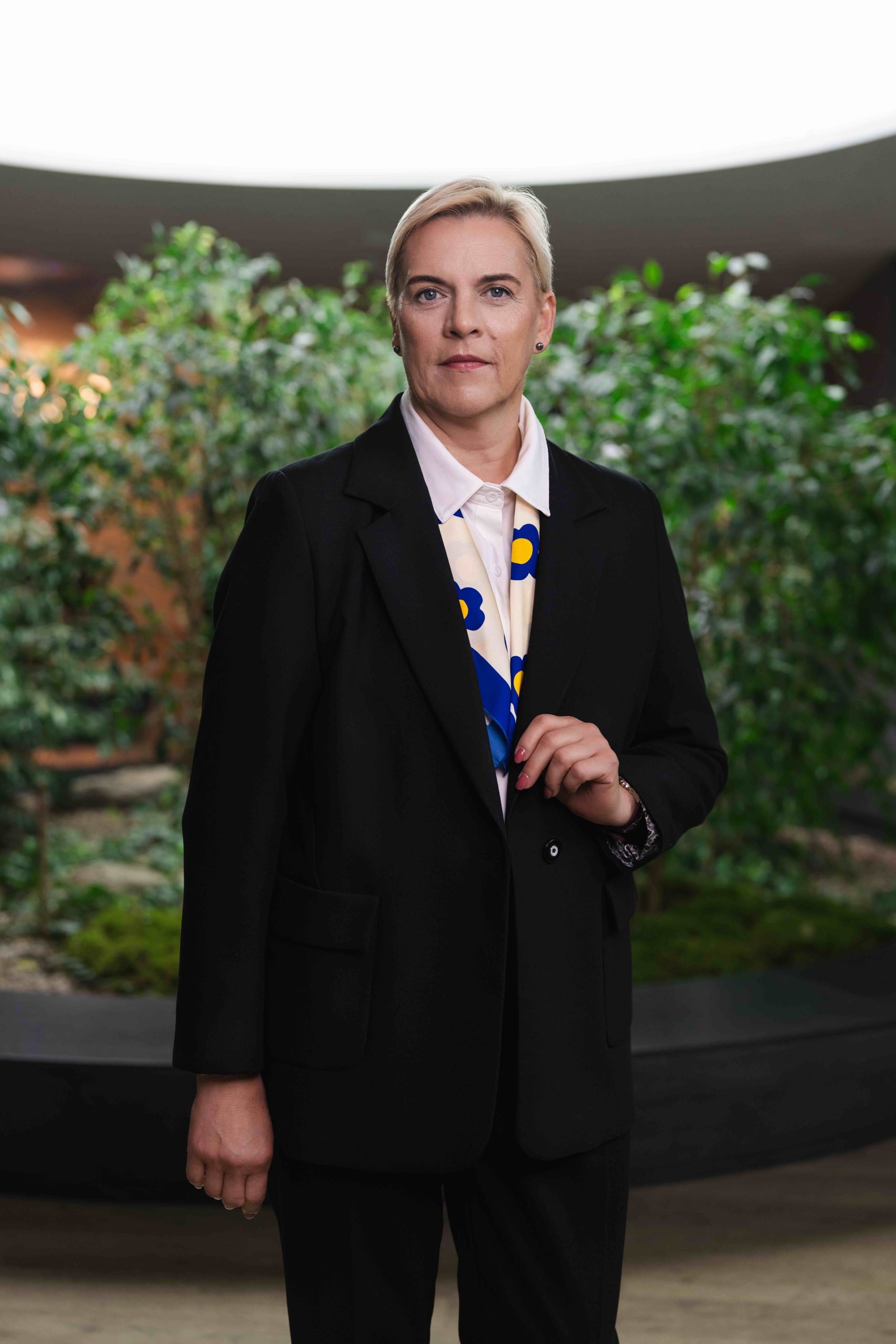
She says that student engagement in the alliance’s activities and participation in decisions relating to its work are essential. In her view, student representation within governance bodies ensures that the services and programmes developed meet students’ needs rather than becoming merely formal institutional reporting exercises.
According to the Vice Director for Studies at Kauno kolegija, meaningful student engagement in the alliance’s activities also has a significant impact on the culture of higher education institutions. She explains that, by participating in alliance activities and seeing their opinions lead to tangible changes, students cease to be passive observers and become active members of the community who take responsibility for the learning environment and outcomes of their institutions.
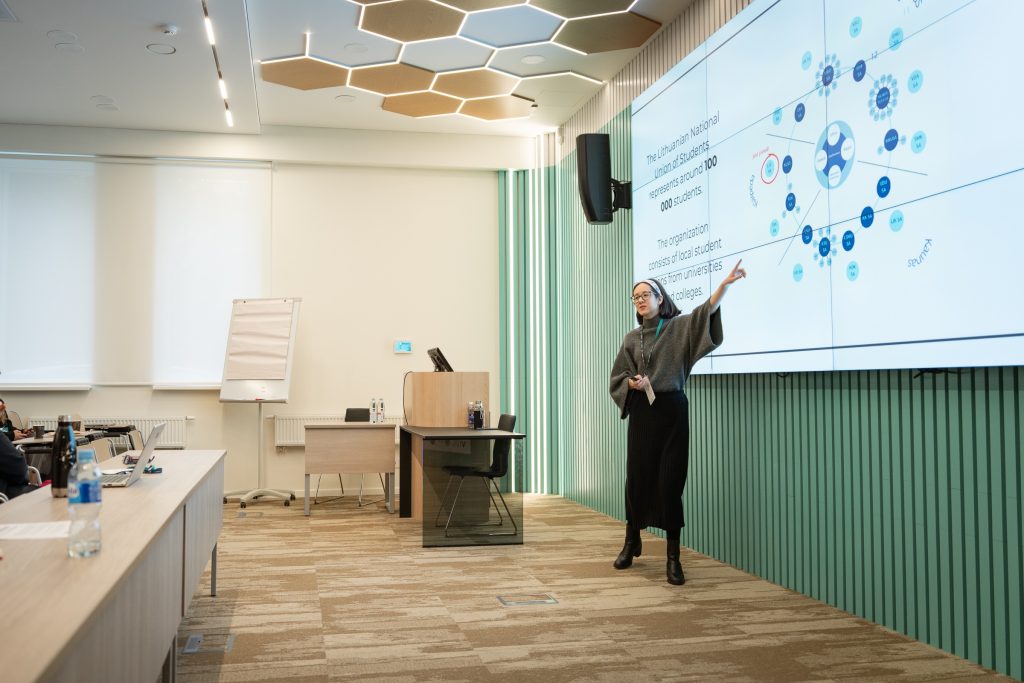
‘This is where a cultural shift begins: equal partnership and co-creation are fostered, strengthening mutual trust between management, teaching staff and students. Constructive feedback helps improve the quality of studies, shape changes to curricula and encourage students to take greater responsibility for learning outcomes,’ J. Bareikienė explains.
Engagement begins with being heard
According to J. Bareikienė, enabling students to participate actively in the life of the alliance requires giving them genuine decision-making power. She emphasises the need to move beyond tokenistic representation: students serving on governance bodies must have a real opportunity to influence decisions, and information must be provided in a timely and accessible manner.
‘It is also important to establish a feedback loop and communicate outcomes clearly and publicly, demonstrating the specific changes made in response to students’ comments or survey results. To encourage meaningful student engagement, it is equally important to offer a variety of ways to participate. Alongside traditional meetings, these could include short idea-generation workshops, focus group discussions, hackathons and mentoring programmes,’ says the Vice Director for Studies at Kauno kolegija.
Active student engagement creates value not only for students themselves but also for the wider academic community. J. Bareikienė notes that students’ participation in UNINOVIS activities helps create a more engaged and motivated audience in lectures and supports the improvement of teaching methods through open feedback.
J. Bareikienė also highlights the importance of student participation in applied research and artistic activities, noting that the alliance creates opportunities to attract motivated students.
‘When considering the benefits of active student engagement in alliance activities for the entire higher education community, it is important to highlight the institution’s international visibility and appeal to prospective students and partners. Cooperation with alliance partners helps create a vibrant, open academic environment that embraces innovation,’ J. Bareikienė explains.
UNINOVIS brings together more than 150,000 students and 12,000 staff members from all its member institutions. The alliance’s main objective is to strengthen cooperation across Europe in education, research, the arts, applied activities and innovation.