Student voices should shape decisions: UNINOVIS Student Council Summit held at Kauno kolegija
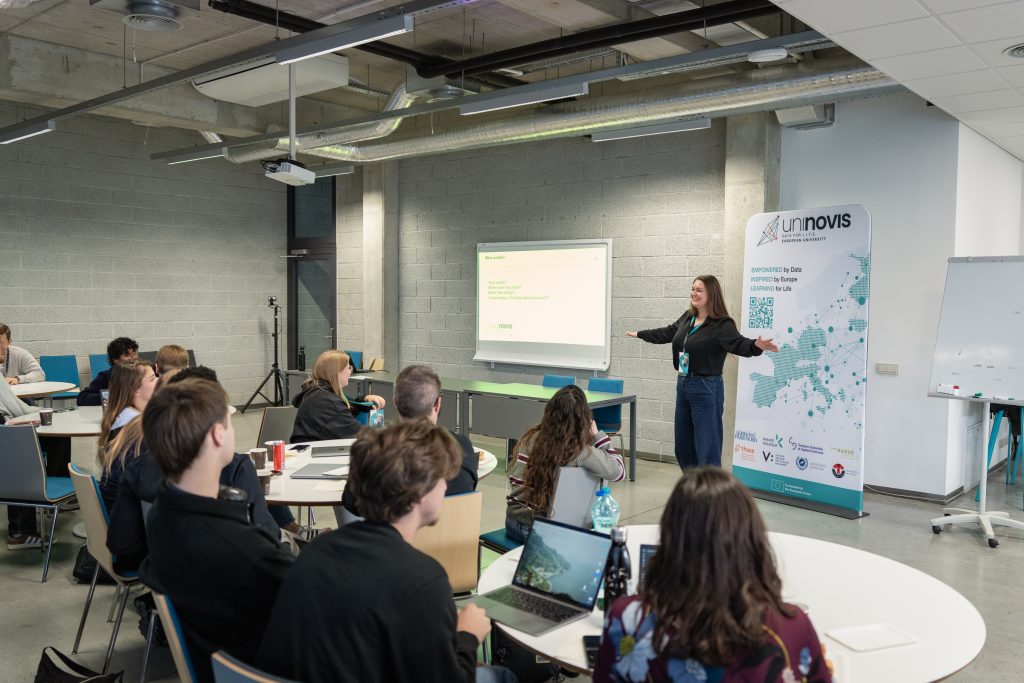
The UNINOVIS Student Council Summit, held at Kauno kolegija from 18 to 22 October 2026, brought together student representatives to discuss democratic participation, the importance of the student voice, and students’ role in shaping the future of the European University alliance. The programme featured expert presentations, practical workshops, and collaborative activities exploring a key question: how can students be empowered not only to benefit from the opportunities offered by the alliance, but also to actively shape its development?
European Universities alliances aim to strengthen international cooperation between higher education institutions, create new learning and academic mobility opportunities, and develop joint initiatives. However, institutional cooperation alone does not guarantee that the decisions made will reflect students’ expectations and needs. This requires students to be actively involved at every stage, from sharing ideas and being consulted to participating meaningfully in the planning, implementation, and evaluation of activities.
The student voice: a cornerstone of democratic higher education
Student participation in decision-making is an essential element of democratic and inclusive higher education. Students experience first-hand the impact of study processes, academic environments, and institutional decisions. Their perspectives can therefore help identify challenges, assess existing opportunities, and propose solutions that may not be apparent from the viewpoint of administrators or institutional leaders.
This principle is closely linked to the Bologna Process, launched in 1999 to create a more coherent European Higher Education Area. While the process is often associated with the compatibility of higher education systems, the recognition of qualifications, quality assurance, and international mobility, the participation of the academic community and the involvement of students in higher education governance are equally important.
From this perspective, student representation cannot be limited to formal attendance at meetings or opportunities to express opinions after decisions have already been drafted. Meaningful participation begins when students are involved in discussions at the planning stage, can put forward well-founded proposals, contribute to the evaluation of initiatives, and receive feedback explaining how their views have been considered.
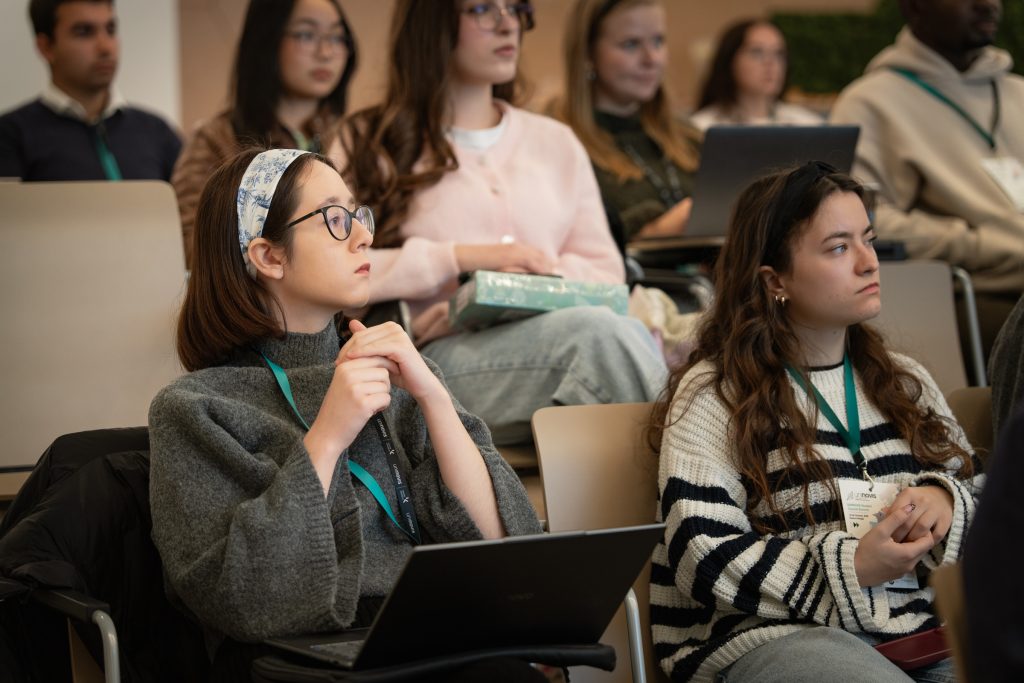
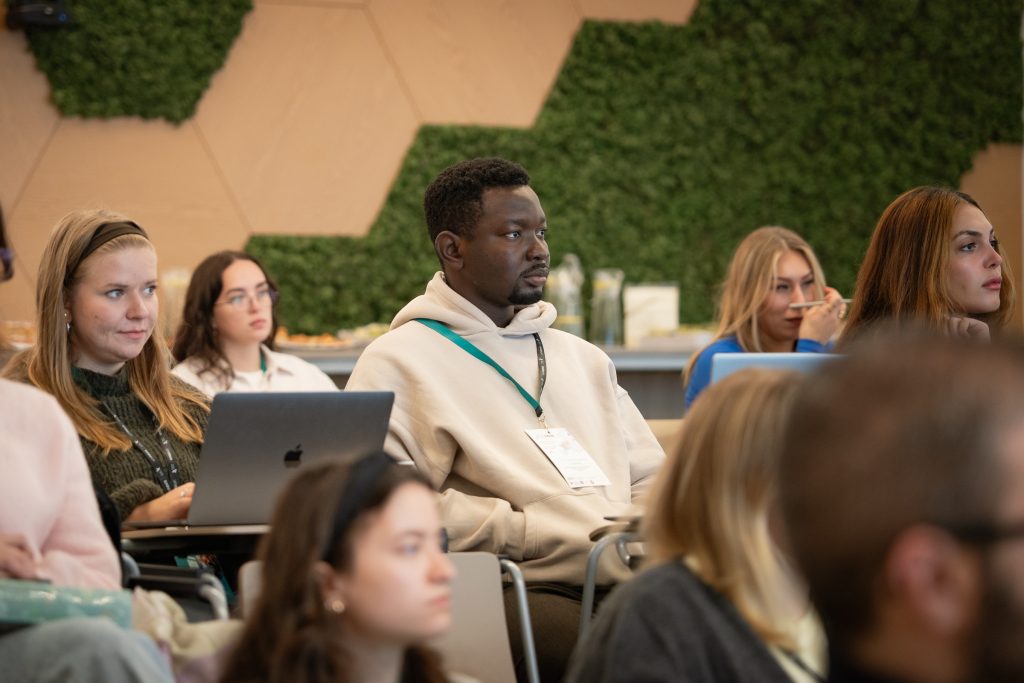
This is particularly important in European Universities alliances, where decisions are made jointly by institutions with distinct academic traditions and student communities. Student participation helps ensure a better understanding of these communities’ needs and makes it possible to shape alliance activities not only from an institutional perspective, but also around students’ experiences.
From student voices to meaningful participation
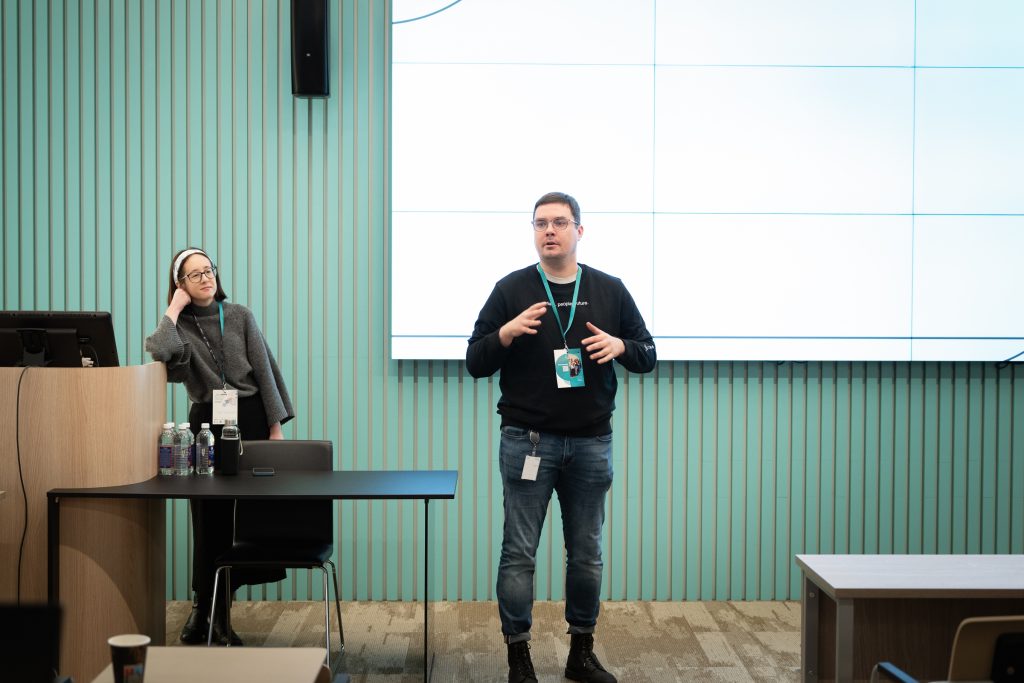
The first day of the summit focused on the student voice and youth engagement in decision-making. Gabija Gradeckaitė, Social and Academic Affairs Coordinator at the Lithuanian National Union of Students, delivered a presentation entitled ‘The Student Voice: From Lithuania to Europe’.
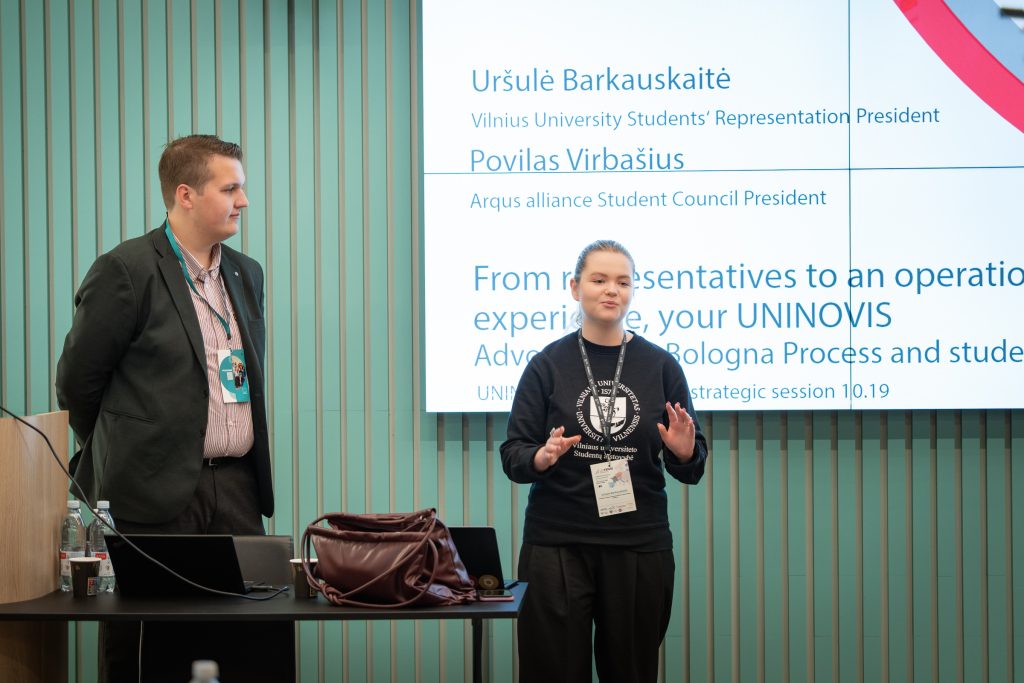
Participants then explored practical examples of democratic participation and student representation. Povilas Virbasius, President of the ARQUS European University alliance Student Council, and Ursulė Barkauskaitė, President of Vilnius University Students’ Representation, shared their experience. Their presentations provided an opportunity to discuss how student participation can work in practice, which principles are essential for an effective student council, and how existing approaches to representation could be applied within the UNINOVIS alliance.
These discussions highlighted that effective student representation depends on more than the initiative of individual representatives. It also requires clear opportunities to participate, consistent cooperation with decision-makers, strong links with the student community, and an understanding of how representatives can influence the issues under consideration.
Student representatives must be able not only to express their own views, but also to listen to a range of student experiences, distinguish individual suggestions from broader community needs, and communicate these perspectives constructively. At the same time, alliance institutions must create clear channels through which student proposals can reach decision-makers. Only a shared commitment from both sides can make the student voice a meaningful part of the decision-making process.
Clear roles and responsibilities: the foundations of effective cooperation
The second day of the summit focused on how to translate student engagement into practice. Dr Marijana Prodonovic, a researcher at Kauno kolegija, led an interactive workshop on fostering shared European values across different cultures and university environments. Participants explored how these common values can provide a foundation for closer cooperation within the alliance.
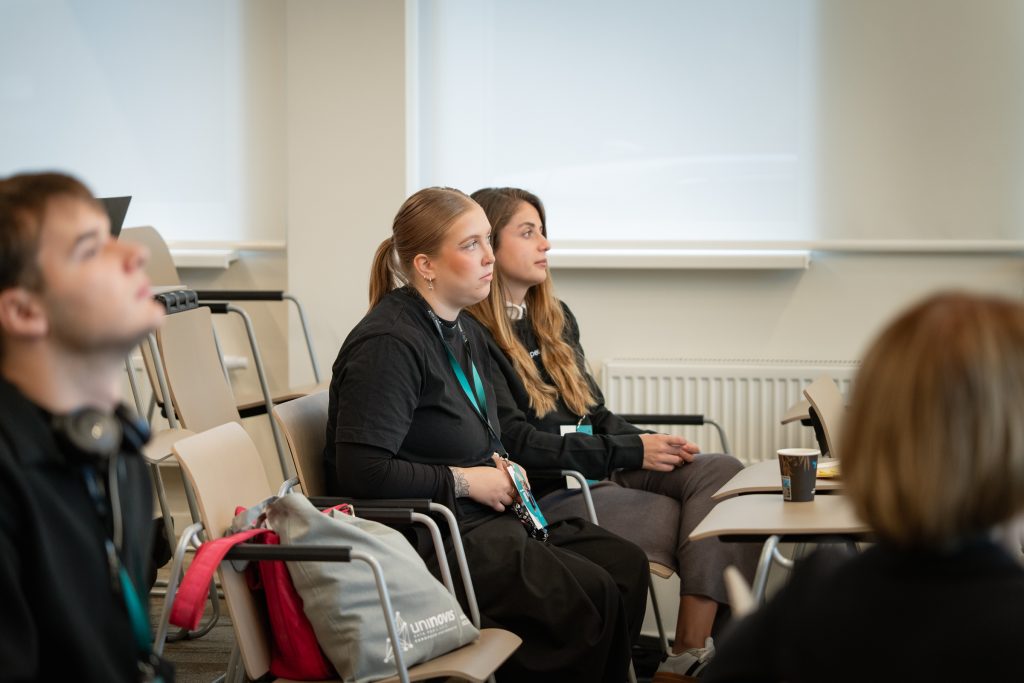
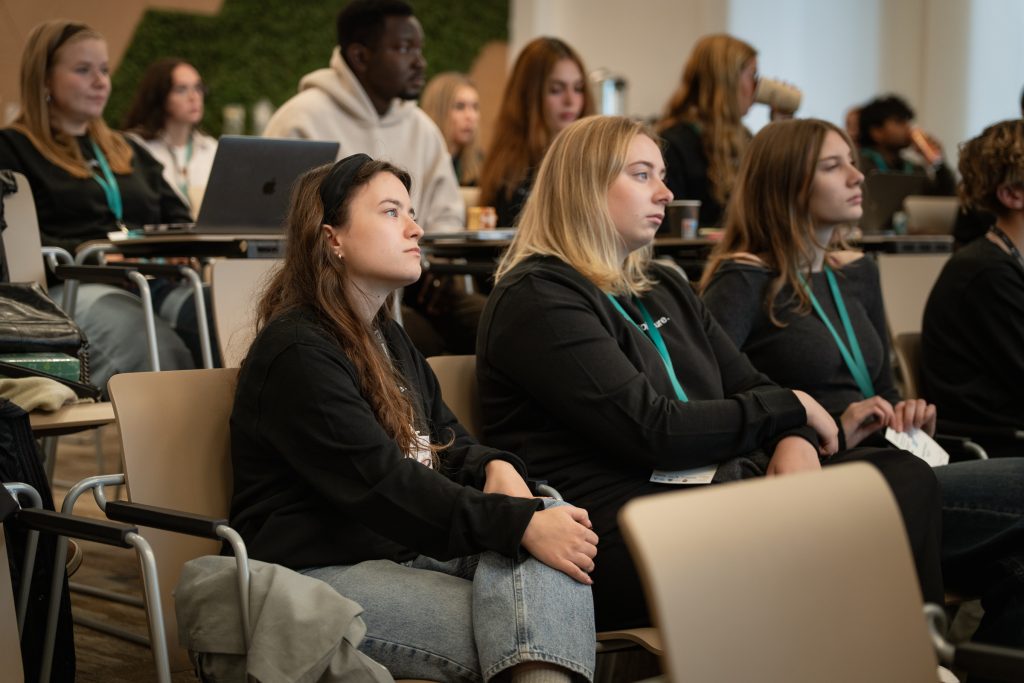
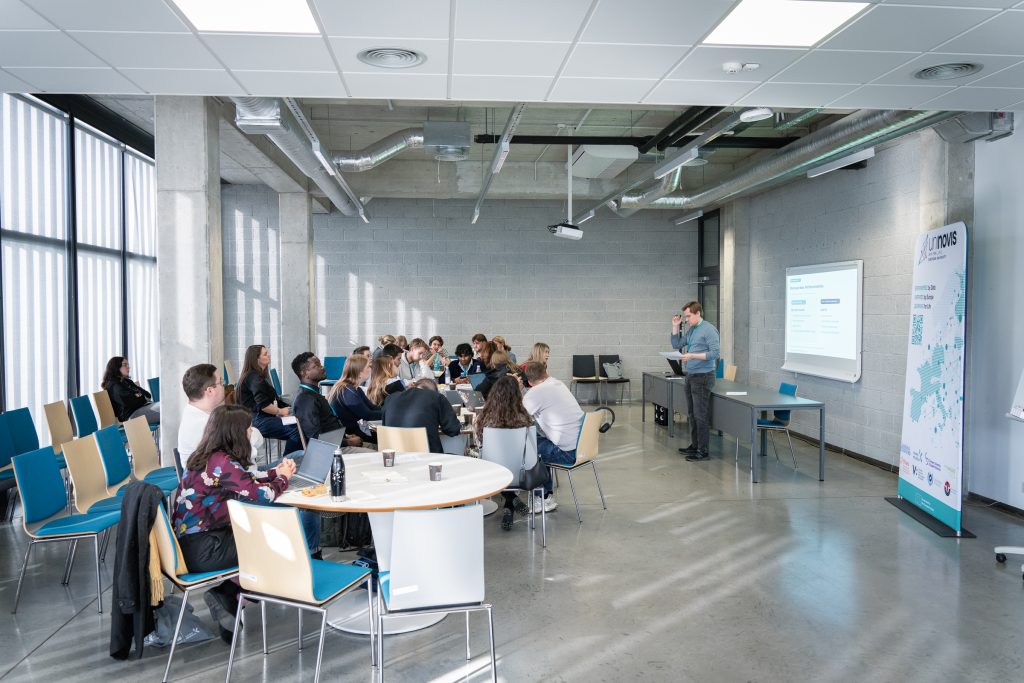
In another session, facilitated by Patricia Fernandez (University Sorbonne Paris Nord) and Mantas Gutauskas (Kauno kolegija), participants discussed how the Student Council could contribute to coordinating UNINOVIS activities. They considered how student representatives could participate in different areas of the alliance’s work, how to ensure that students are consulted, and how to give them opportunities to review initiatives under development. The group also examined council members’ roles and responsibilities and reviewed the council’s Terms of Reference.
This work is essential to ensuring that student representation does not become a separate activity disconnected from the alliance’s core processes. If student representatives are involved only in occasional consultations, their ability to influence decisions may remain limited. By contrast, clearly defined participation mechanisms, responsibilities, and principles of cooperation can help integrate the student perspective more consistently into the planning and implementation of alliance activities.
Ensuring student views reach decision-makers
Effective communication is just as important for student engagement. Even clearly defined representation mechanisms will have limited impact if students are unaware of the alliance’s activities, do not know how to get involved, or see little reason to participate.
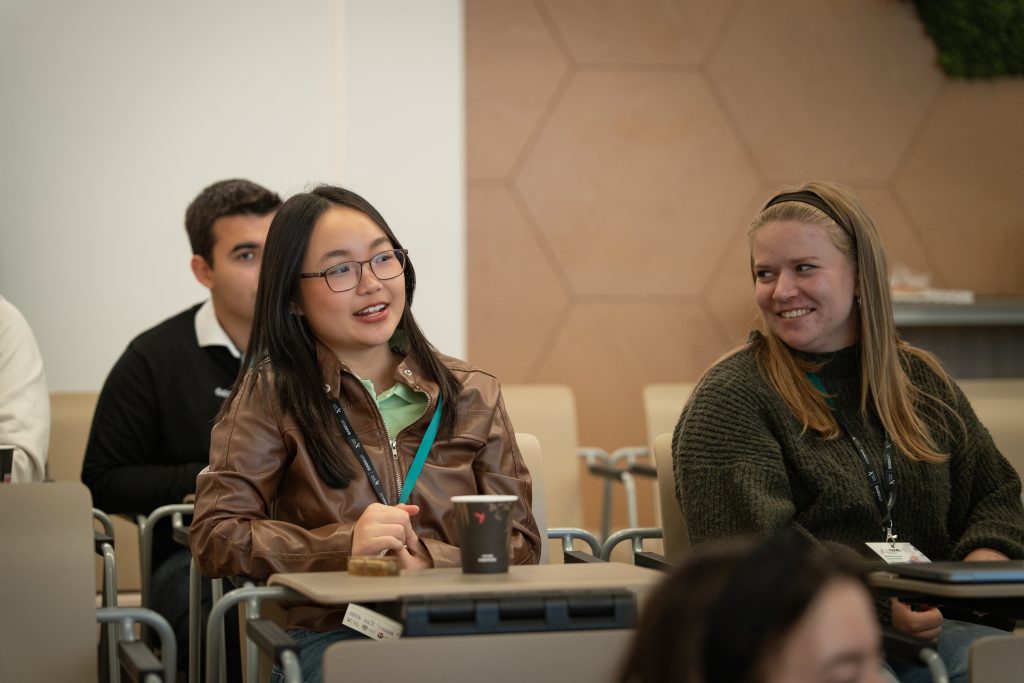
On the third day, Viktorija Navickienė, a lecturer at Kauno kolegija, moderated a discussion on the ideal student experience. Participants explored opportunities for new initiatives, events, digital tools, and communication campaigns, as well as student leadership and ways to reach different student groups. They also prepared short pitches proposing how to communicate the UNINOVIS alliance more effectively and attractively.
The activities highlighted that communication must be more than the one-way sharing of information: it should be an ongoing dialogue. Students need not only to know what opportunities are available, but also to have the chance to put forward suggestions, ask questions, and receive responses. Open feedback helps build trust by showing students that their views are taken seriously and can influence decisions.
This is particularly important in an international alliance, where students study at different institutions and may not have equal opportunities to participate in joint activities. It is therefore essential to develop accessible and flexible ways of engaging students, ensuring that as many as possible can contribute to decision-making and that a wider range of experiences and ideas is taken into account.
From discussion to long-term change
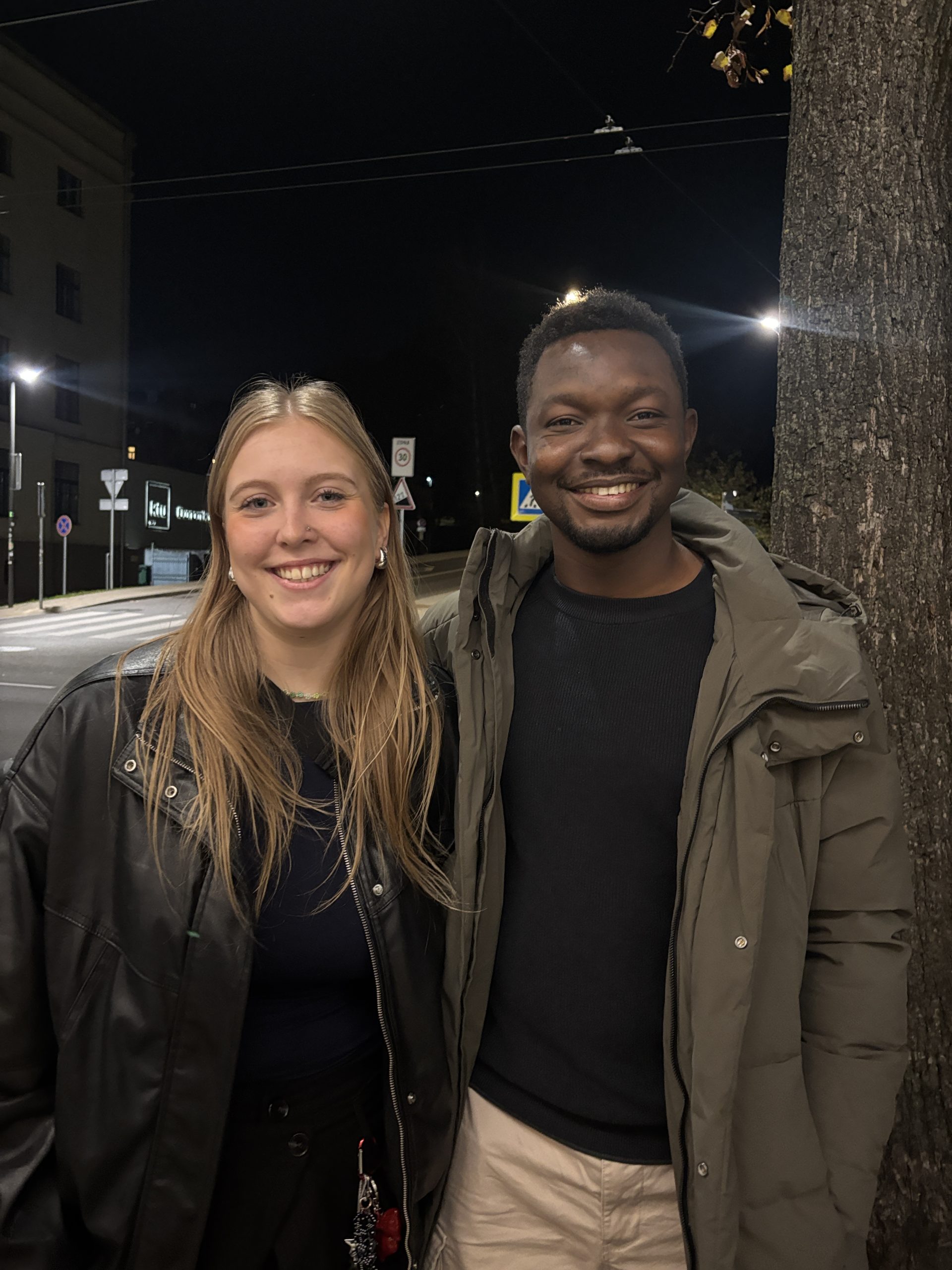
The final day of the UNINOVIS Student Council Summit focused on the council’s future work and the allocation of responsibilities. During the meeting, Oreoluwa Boluwatife Oyinlola (Technical University of Applied Sciences – Würzburg-Schweinfurt) and Elina Parssinen (Tampere University of Applied Sciences) were elected as Student Council co-chairs. Their role will be important in strengthening student representation, coordinating joint initiatives, and ensuring that students’ ideas are translated into concrete action.
Oreoluwa Boluwatife Oyinlola emphasises that the UNINOVIS Student Council should become an active and influential voice for students across the alliance, a space where students can exchange ideas, learn from the experiences of partner universities, and work together to improve the student experience. According to Oreoluwa, the first priority is to establish a strong foundation for the council’s work through effective communication, regular meetings, clearly defined responsibilities, and the ability to turn ideas into action. It is equally important to make the council’s work visible and accessible to students at all partner institutions.
‘Stay curious, get involved and make the most of the opportunities UNINOVIS offers! Meet new people, explore different cultures, share your ideas and, most importantly, have fun along the way!’ says Oreoluwa Boluwatife Oyinlola.
The newly elected co-chairs and the council as a whole now face the task of ensuring that the ideas discussed during the summit are carried forward and put into practice. The impact of student engagement is measured not only by the discussions that take place, but also by clear action plans, agreed responsibilities, and opportunities to assess progress. It is therefore important to monitor not only how many initiatives are proposed, but also whether student perspectives influence decisions, whether different student groups are reached, and whether activities respond to their needs.
The strength of a European University alliance depends not only on cooperation between institutions, but also on the value it creates for students. When student representation becomes an integral part of decision-making and proposals lead to concrete action, students can play an active role in shaping the future of higher education. This is an important step towards ensuring that the UNINOVIS alliance develops a meaningful, inclusive European learning experience that responds to students’ needs.