
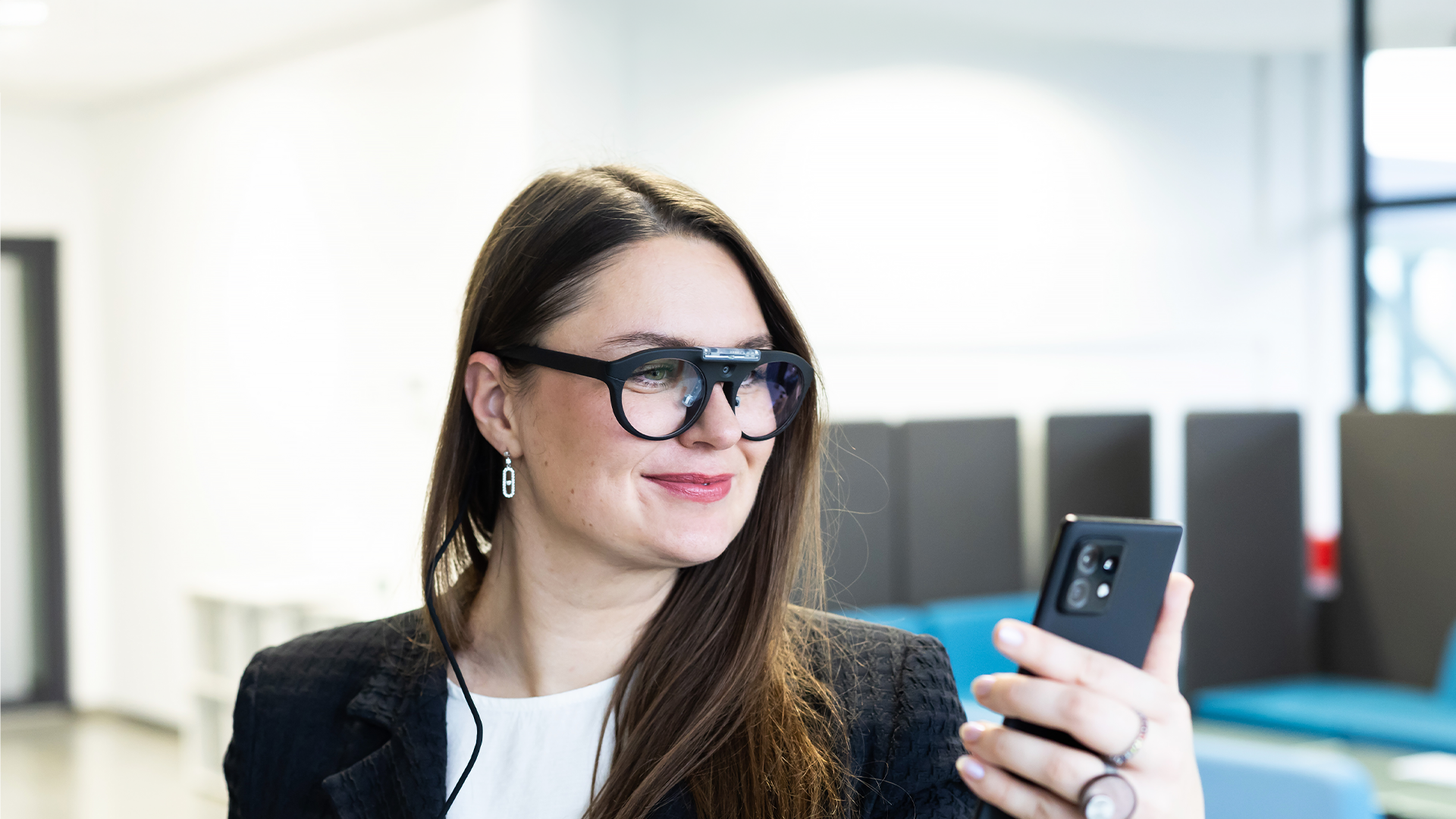
Neuromarketing Research for Decisions Based on Real Consumer Reactions
Consumer decisions are often formed faster than people can rationally explain them. That is why “SenseTrack Lab” neuromarketing and customer experience research helps measure what happens before a conscious choice is made: where attention is directed, what triggers an emotional response, and how consumers make decisions.
We don’t measure what people say. We analyze how they actually react.
• Biometric consumer research;
• Visual reports and actionable recommendations;
• Testing of packaging, websites, and retail environments;
• Research in both real-life and simulated conditions.
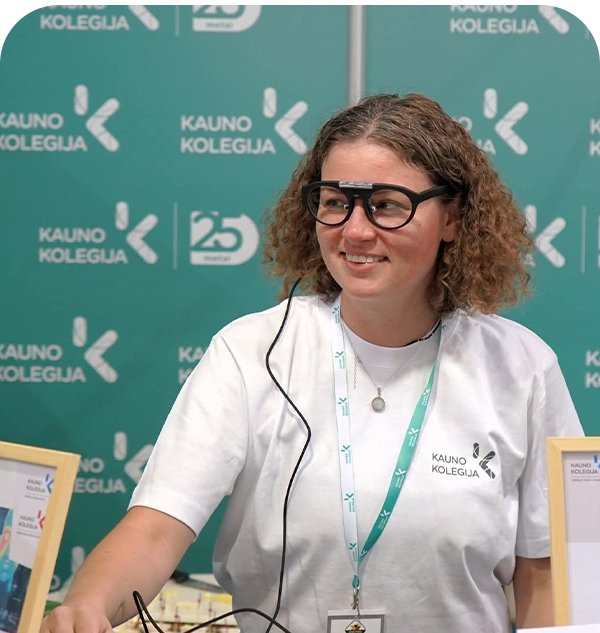
Why Traditional Research Methods Are No Longer Enough?
One of the biggest challenges for businesses is that consumers cannot always accurately explain why they chose a particular product, brand, or solution. Many reactions occur subconsciously — the brain processes visual information faster than people can describe it in words.
As a result, surveys and interviews alone do not always reveal what truly captures attention, what triggers an emotional response, and what goes unnoticed.
“SenseTrack Lab” neuromarketing and customer experience research transforms this uncertainty into objective data. Using iMotions technology, multiple indicators of attention, behavior, and emotional response are measured simultaneously, enabling a more accurate understanding of how consumers react to packaging, advertisements, websites, or physical environments.
Eye tracking, galvanic skin response (GSR), EEG, EMG, respiration, and voice analysis solutions provide insights into where attention is focused, what evokes emotional reactions, and how these responses change over time. This allows for a more objective analysis of consumer behavior and supports more informed decision-making.
Who Is It For?
For businesses and teams that are:
• Creating or updating packaging design or brand identity;
• Seeking to understand why a product, advertisement, or visual content is overlooked among competitors
What Do We Measure?
We analyze how consumers visually and emotionally respond to products, packaging, and communication materials.
Key questions include:
• Where does the shopper’s gaze go first when viewing a shelf?
• How much time is spent looking at the product or logo?
• Which elements — colors, text, symbols, or layout — attract the most attention?
• How do the eyes move across the visual material, and what emotional reactions does this trigger?
Testing can be carried out using a real shelf setup or on-screen simulations that recreate a natural shopping situation.
What Do You Receive?
• A visual report with eye-tracking heatmaps, gaze paths, and emotional intensity graphs.
• Practical recommendations on what can be improved, such as layout, colors, text clarity, visibility of packaging information, and overall design effectiveness.
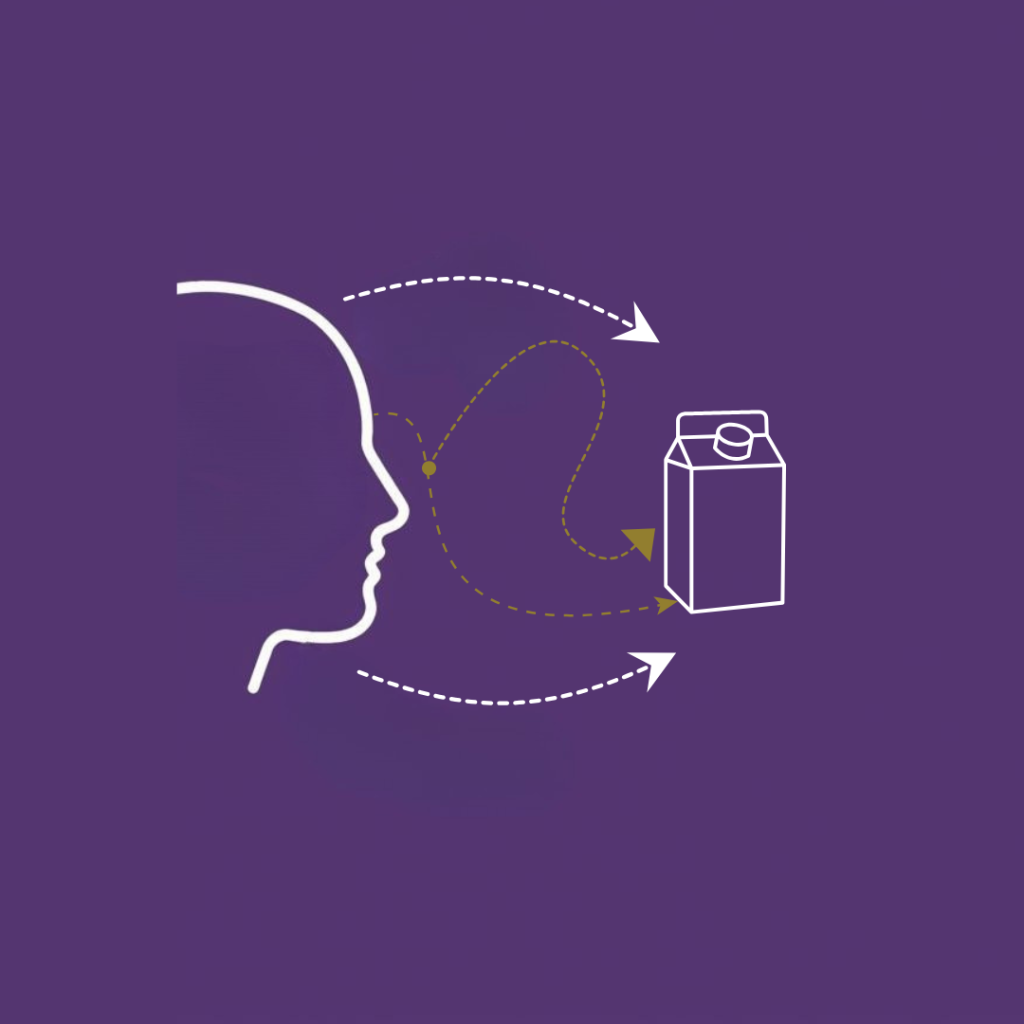
PackSense™ – Packaging & Label Neuroperception Research
Understand how consumers notice, interpret, and emotionally respond to your packaging.
PackSense™ helps evaluate whether your packaging stands out among competing products and communicates its intended message clearly.
Using eye-tracking and biometric measurements, we analyze:
• Which elements attract attention first;
• How long consumers focus on specific areas of the packaging;
• What information is noticed—or overlooked;
• Which design elements trigger emotional responses.
Testing can be conducted using a physical shelf setup or digital simulations that replicate real shopping environments.
What You Receive:
• Visual reports including heatmaps and gaze path analysis;
• Insights into attention patterns and emotional responses;
• Practical recommendations for improving layout, colors, text clarity, and information visibility.
Outcome: Increased product visibility, stronger shelf impact, and improved consumer engagement.
WebUX Pulse™ – Website & E-commerce Experience Research
Discover how users interact with your website and where friction affects performance.
WebUX Pulse™ reveals how visitors navigate your website or online store, helping identify barriers that impact usability and conversions.
We observe how users:
• Search for information;
• Browse products and categories;
• Add products to the cart;
• Complete inquiry or checkout processes.
The study measures visual attention, navigation behavior, confusion points, and emotional responses throughout the user journey.
What You Receive:
• A clear visual report highlighting usability issues and opportunities;
• Identification of high-performing and underperforming page elements;
• A prioritized action plan for website improvements.
Outcome: Better user experience, increased engagement, and higher conversion rates.
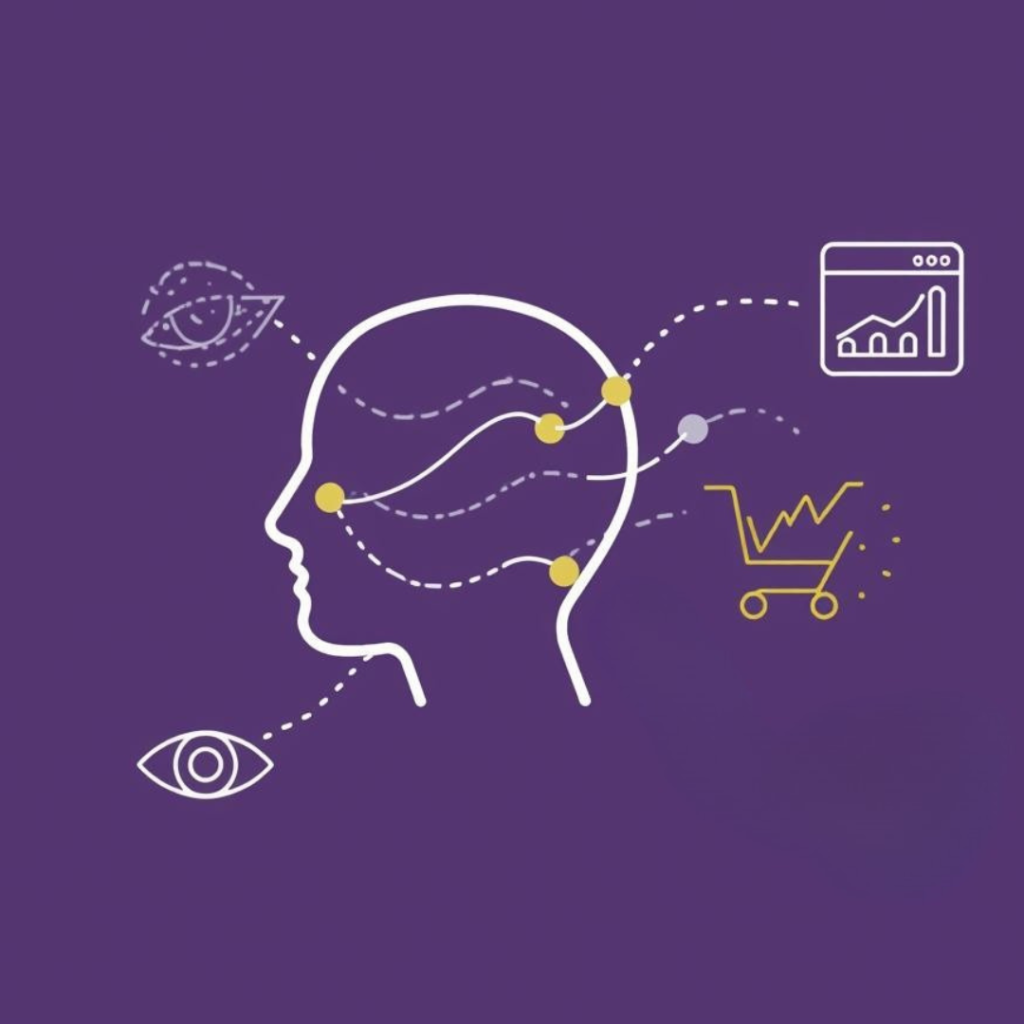
RetailFlow™ – Retail Space & Exhibition Stand Research
Measure how effectively your physical environment attracts and holds attention. RetailFlow™ helps evaluate whether a retail display, exhibition stand, shelf, or showroom encourages visitors to stop, explore, and engage.
We analyze:
• Visitor movement patterns;
• Areas that attract immediate attention;
• Time spent at specific displays or products;
• Elements that remain unnoticed.
Based on these insights, we provide actionable recommendations for optimizing space design and communication.
What You Receive:
• Attention and movement analysis reports;
• Insights into visitor engagement behavior;
• Recommendations for layout, signage, product placement, lighting, and messaging.
Outcome: Increased visibility, stronger visitor engagement, and improved commercial performance.
Research Ethics & Data Privacy: Data collected during research projects may also be used for scientific purposes, including academic publications and conference presentations, in full compliance with applicable ethical standards.
All research data is anonymized. Neither participant identities nor company-specific information is disclosed in any scientific or public materials.
1. Initial Consultation
We begin by understanding your objectives, challenges, and the key questions you want answered. Together, we define the scope and expected outcomes of the research.
2. Research Design
Our team develops a tailored research plan, including participant tasks, test materials, scenarios, and the most appropriate biometric measurement methods.
3. Data Collection
Research sessions are conducted in real-world environments, on-screen simulations, or virtual settings, depending on the project objectives.
4. Analysis & Insights
We analyze attention, emotional engagement, visual behavior, and other biometric indicators to uncover how consumers truly respond.
5. Report & Recommendations
You receive a comprehensive report with visual findings, key insights, and practical recommendations to support confident business decisions.
For a standard study, we recommend 20–30 participants. This number allows us to identify reliable patterns and clearly see what works well and what could be improved.
A typical research project takes around 3 weeks, depending on the study type, project scope, and the number of versions or materials being tested.

Dr. Ligita Zailskaitė-Jakštė
Researcher, Department of Communication
Research areas: consumer engagement in digital environments, the impact of artificial intelligence on consumer behavior, the use of virtual reality in experience design, the impact of disinformation on Generation Z, and neuroscience-based research.

Martynas Radzevičius
Researcher, Department of Communication
Research areas: the intersections of digital marketing, neuromarketing, technology, and experience design, using emotional and biometric experience measurement.

Dr. Mantas Dilys
Researcher, Department of Business
Research areas: content marketing, organizational positioning strategies in the context of sustainable development, cooperation models between sports organizations and sponsors, and sustainable innovation development.
Make Decisions Based on Real Consumer Reactions
If you are planning to update your packaging, improve your website, test advertising content, or evaluate the effectiveness of a retail space, “SenseTrack Lab” can help you make decisions based on real consumer reactions.
Request a Free Consultation
Dr. Aistė Lastauskaitė
Vice Dean for Science, Faculty of Business
+370 603 44 168 | aiste.lastauskaite@kaunokolegija.lt