Kauno kolegija representatives in The Hague: from professional exchange to a shared UNINOVIS direction
The European Universities alliance may have a shared vision, a wide range of activities and strong partners. However, for higher education institutions operating in different countries to truly function as one ecosystem, they need to agree on how to create and measure shared value, communicate that value and ensure the sustainability of their partnership.
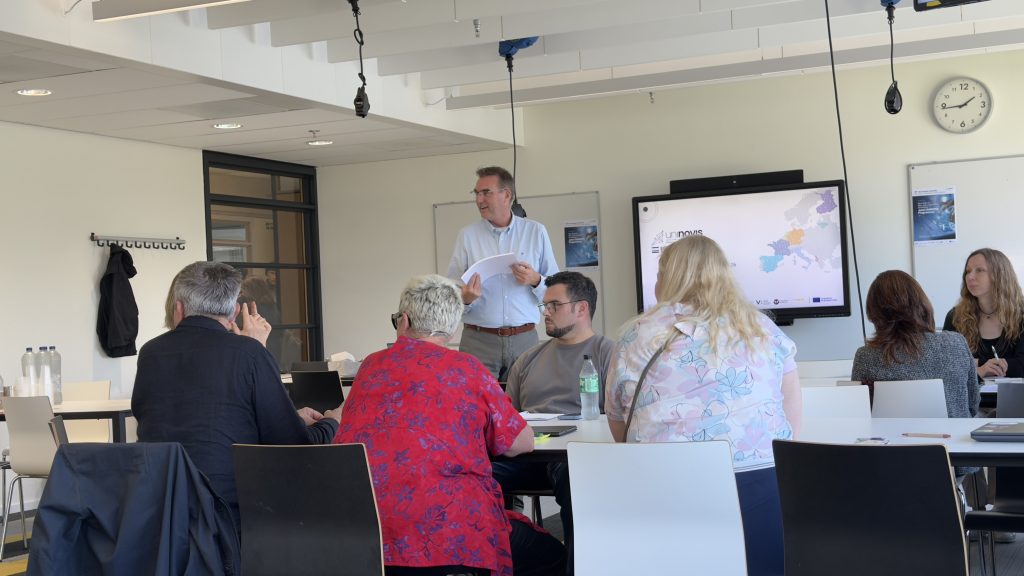
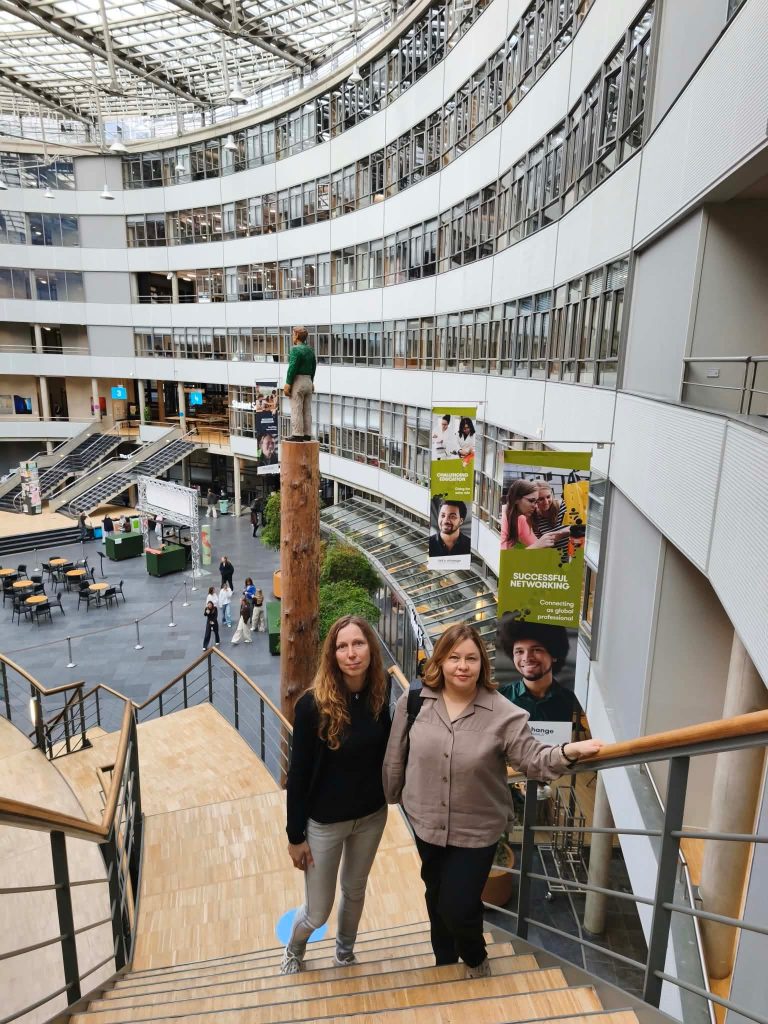
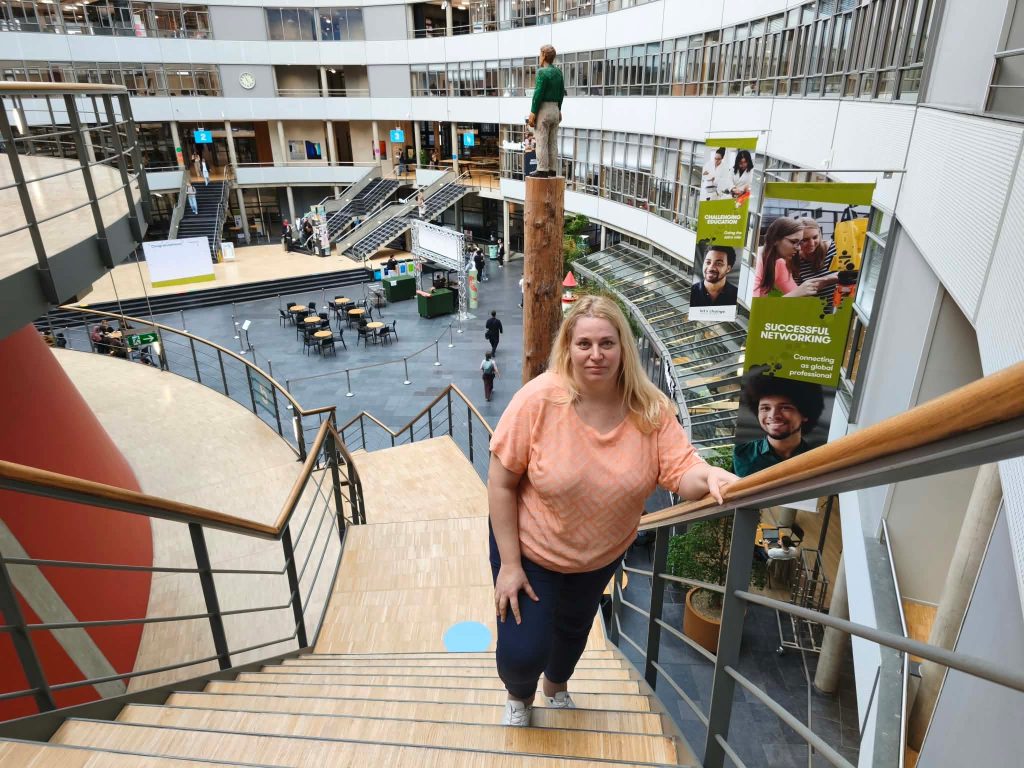
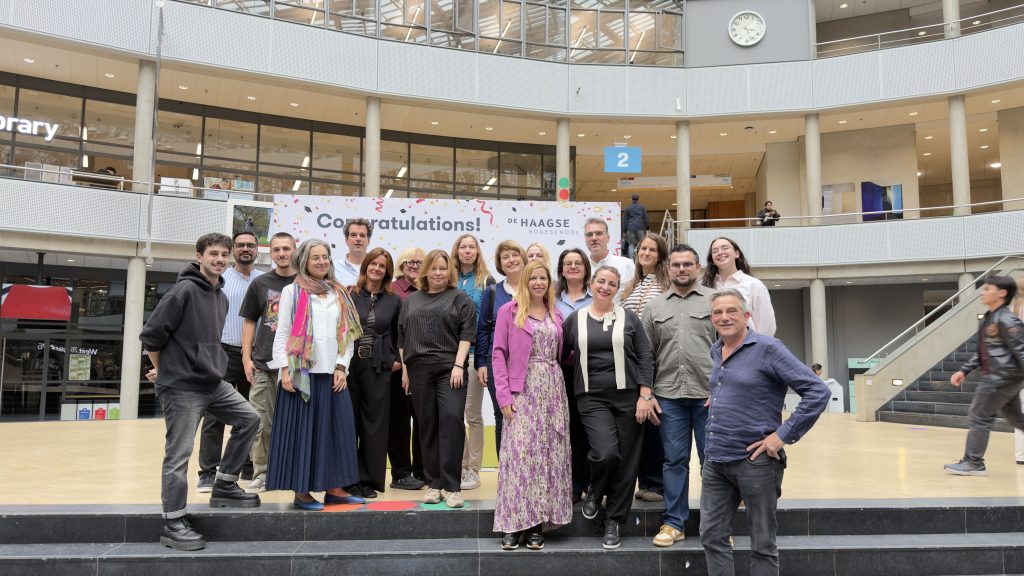
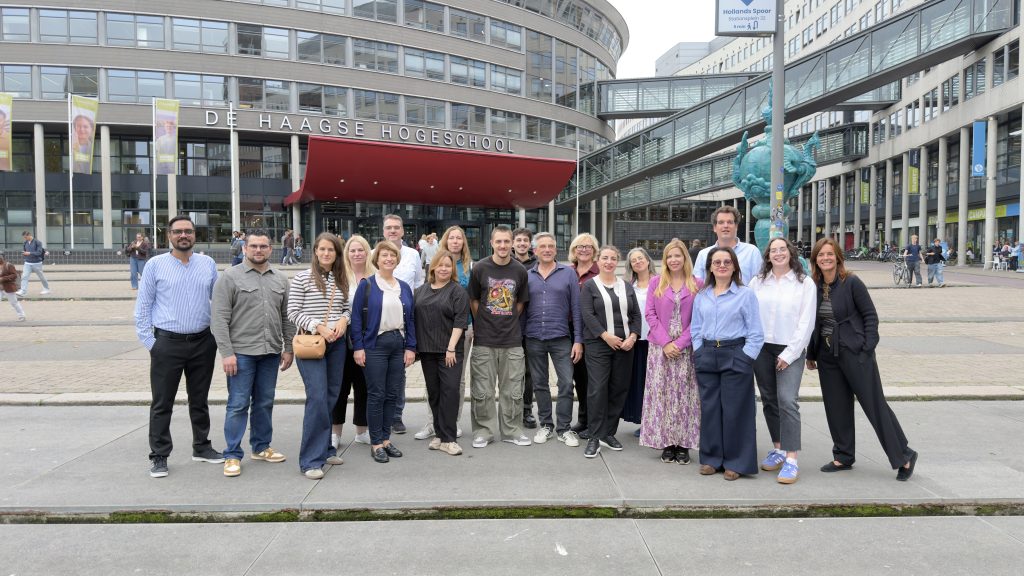
These were the key issues that brought UNINOVIS partners together in The Hague, the Netherlands, from 29 September to 1 October. The activities of Work Package 5 (Excellence, Dissemination and Exploitation), held at The Hague University of Applied Sciences (THUAS), focused on communication, dissemination and network sustainability. Alongside these activities, representatives of Kauno kolegija took part in a professional exchange with THUAS, focusing on strategic management, quality assurance and applied research.
Partnership begins with a shared understanding
When an alliance brings together different higher education institutions, each partner brings its own culture, ways of working and understanding of what matters most. Therefore, cooperation cannot be limited to a shared logo or activities with similar names – partners need to agree on what they are creating together and what value this creates for their audiences.
This was one of the key areas of focus during the UNINOVIS activities at THUAS. Communication representatives from partner institutions, including Ovidija Navikaitė, Communication Specialist at the Faculty of Computing, Engineering and Technologies of Kauno kolegija, discussed the alliance’s communication and brand direction, the links between communication and dissemination, and the structure and further development of the website. Particular attention was also given to communication around the Excellence Hubs.
Strengthening opportunities for applied research
A sustainable partnership is built on the partners’ real experience, expertise and ability to create tangible value together. Therefore, alongside the UNINOVIS activities in The Hague, representatives of Kauno kolegija and THUAS also took part in a professional exchange. Kristina Adomaitienė, Head of the Unit for Applied Science at Kauno kolegija, met with THUAS representatives working in strategy, research support, funding and cybersecurity.
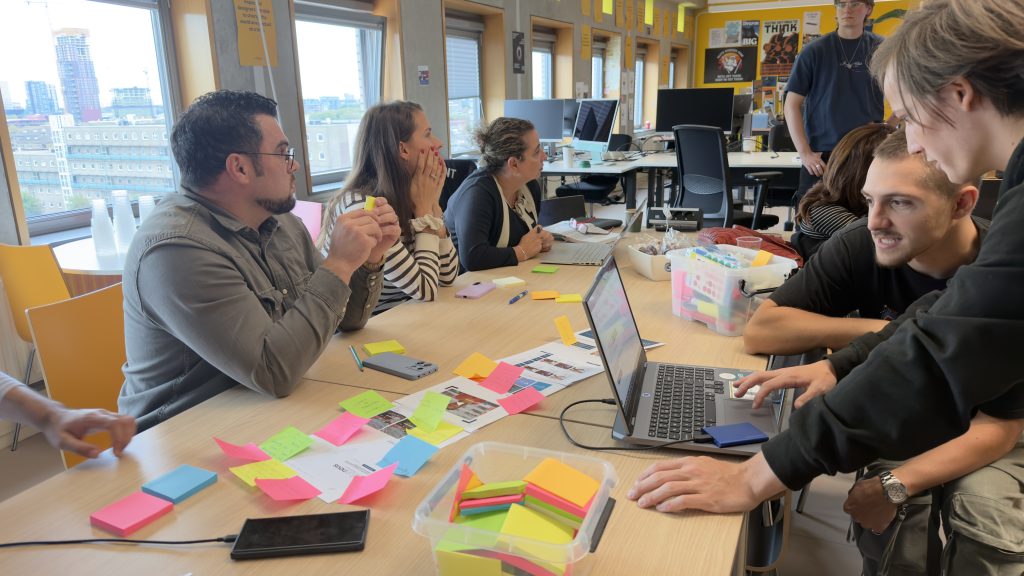
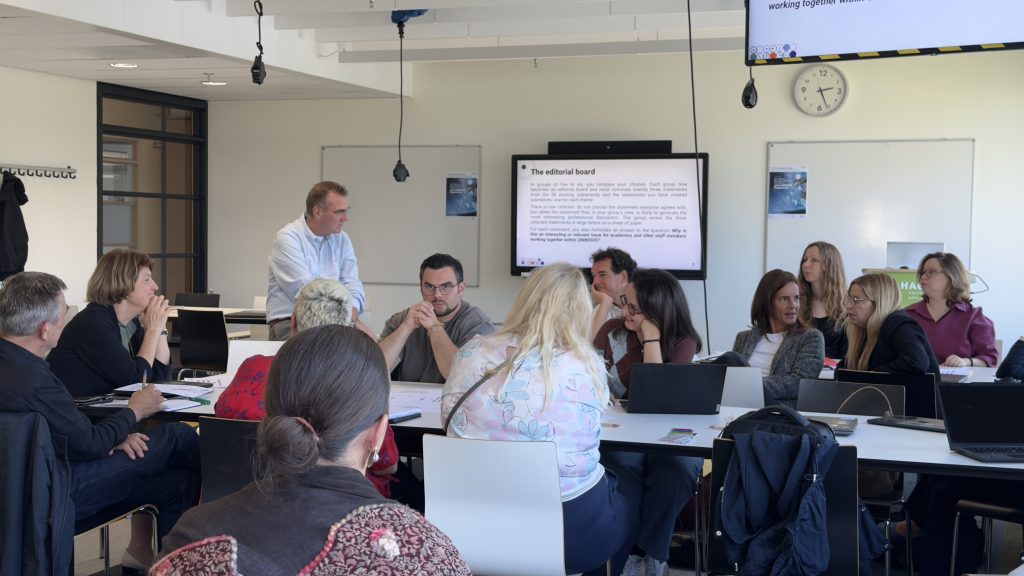
The discussions focused on the factors that shape the impact of applied research: cooperation between researchers and businesses, research funding models, strategic support for researchers and the coordination of research groups. The concept of Excellence Hubs was also explored, including their functions and role in strengthening the impact of applied research, fostering cooperation with businesses and creating opportunities for student involvement.
These topics are important because the role of a modern university of applied sciences goes beyond conducting research. Its real impact emerges when knowledge can be applied in practice, researchers have opportunities to collaborate, and the institution is able to systematically build connections with businesses and other stakeholders including the students.
Strategy that works in practice
Another important topic of the exchange was institutional planning, monitoring the implementation of strategic objectives, continuously improving organisational and study quality, and engaging staff at different levels and in different positions in achieving institutional goals. This area was explored at THUAS by Asta Valaitytė-Brish, Head of the Strategic Planning and Quality Management Unit at Kauno kolegija, and Milda Račkauskienė, Senior Specialist.
During meetings with THUAS teams responsible for institutional strategic management, monitoring strategy implementation, quality assurance and risk management, the participants discussed how institutional strategic objectives can be implemented in alignment with the goals of the UNINOVIS alliance, while empowering staff across different levels and positions to contribute to their achievement.
The discussions covered organisational structure and the distribution of responsibilities, strategic indicators, risk management policy and its links with quality assurance. The participants also explored how student survey data can become not merely a formal accountability tool, but a practical means of improving the quality of studies. Strategic planning, internationalisation and the improvement of institutional processes were also discussed.
These discussions showed that effective strategic management relies on continuous performance evaluation and data-driven decision-making, while strategic indicators, risk management, student feedback and quality assurance support the institution’s continuous improvement.
Looking at progress and the way forward
Another key area highlighted during the meeting at THUAS was network sustainability. Long-term partnership cannot be taken for granted – it requires continuous reflection on whether the chosen operating model is resilient enough, whether partners maintain a shared direction and whether the solutions developed can remain effective beyond a single project phase.
As part of Work Package 5, the ‘UNINOVIS Sustainability Stress Test’ was conducted. Gerbrich Miedema, representing Hanze University of Applied Sciences and the European Universities Alliance STARS EU, shared insights and experience on ensuring the sustainability of the European Universities alliance.
‘Ensuring the sustainability of the UNINOVIS Alliance is one of the tasks led by Kauno kolegija. A key priority in this work is to build a shared understanding among partners of the Alliance’s future direction, while taking into account their respective priorities, expectations and opportunities for continued cooperation. The experience of other European University alliances in developing sustainable cooperation models can provide valuable insights and inform the further development of UNINOVIS. Against this background, the discussions among UNINOVIS partners, particularly with the participation of Gerbrich Miedema, were highly valuable, offering an opportunity to exchange experiences, explore different approaches and reflect on possible directions for the Alliance’s future sustainability,’ says Jolanta Valiaugienė, the Institutional UNINOVIS Coordinator at Kauno kolegija.
The upcoming UNINOVIS project mid-term report was also an important focus of The Hague meeting. This is a significant stage in project implementation, requiring partners to systematically assess the work completed to date, the results achieved and the progress made, while effectively consolidating the evidence for the interim project report. Participants therefore discussed how to prepare for this process, which information and evidence should be consolidated, and how to ensure a consistent reflection of the contributions made by different partners and activities to the overall project results.
Such meetings provide an opportunity not only to share what has already been achieved, but also to revisit UNINOVIS’s shared vision and ambitions, deepen our understanding of partners’ expectations, and explore new opportunities for cooperation. The meetings and professional exchanges at THUAS offered a valuable space to reflect on the progress made so far, strengthen our shared understanding, and consider the direction we want to take next.