Kauno kolegija student shares her experience of an internship in Morocco
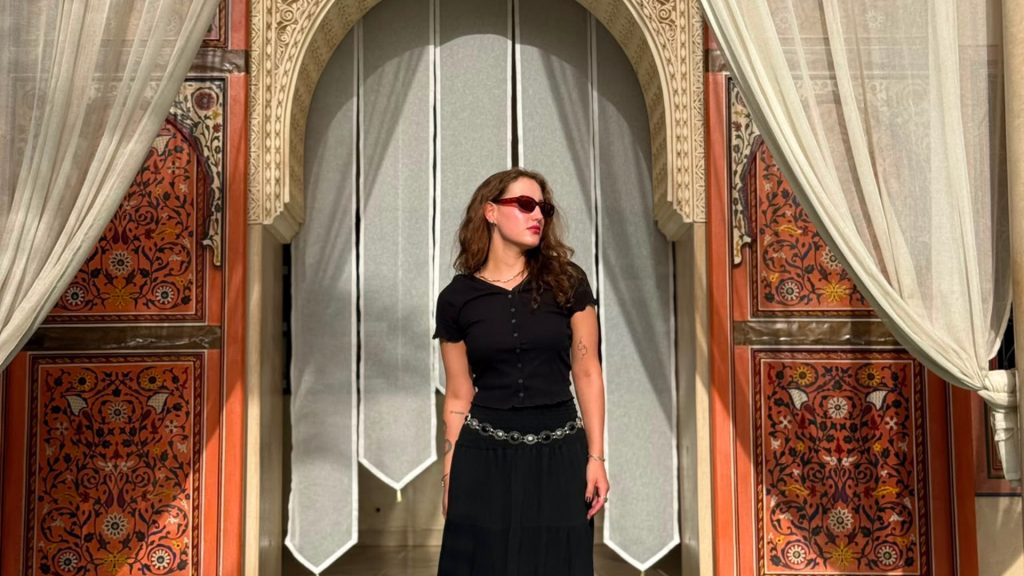
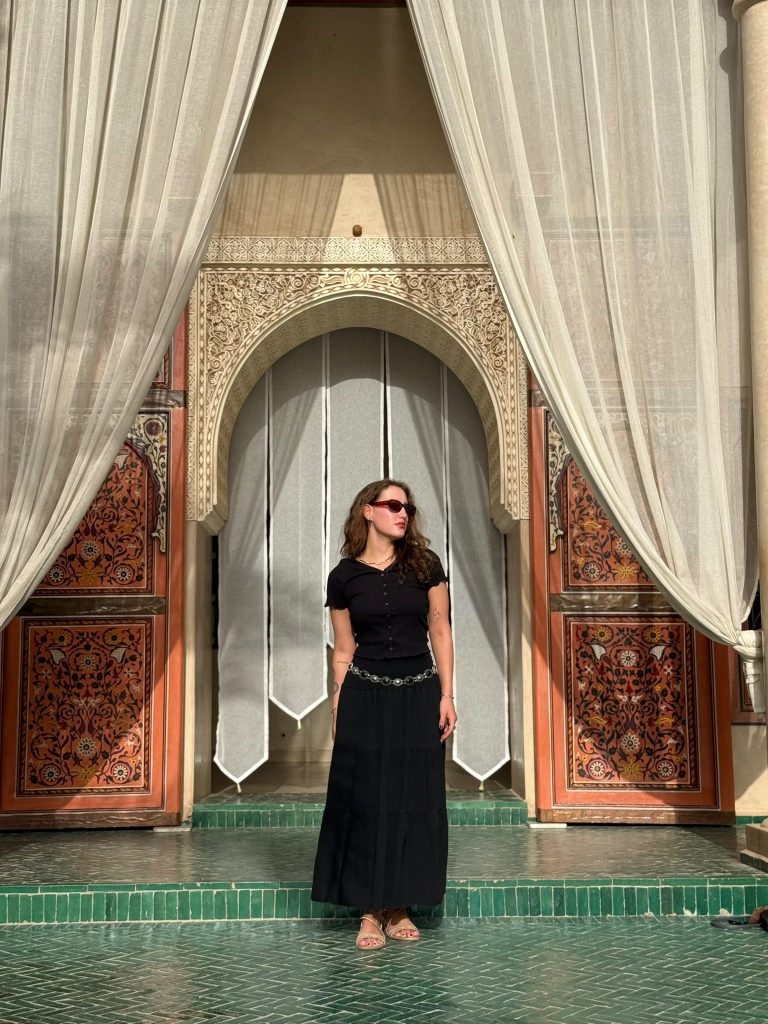
Having spent over two months in Marrakech, Kauno kolegija Alytus faculty’s student Auksė Savukynaitė admits that she had serious doubts about whether to accept the offer of an internship in Morocco. Cultural differences, the language barrier, the climate and the prospect of living so far from home all made her apprehensive.
Although travelling to a completely unfamiliar country seemed, in her own words, almost like a crazy idea, the Lithuanian student now looks back on an experience that repeatedly surprised her with the hospitality of local people, gave her an insight into Morocco beyond the tourist hotspots and left her with a renewed appreciation for taking life a little less seriously.
The kindness of local people was the most unexpected discovery
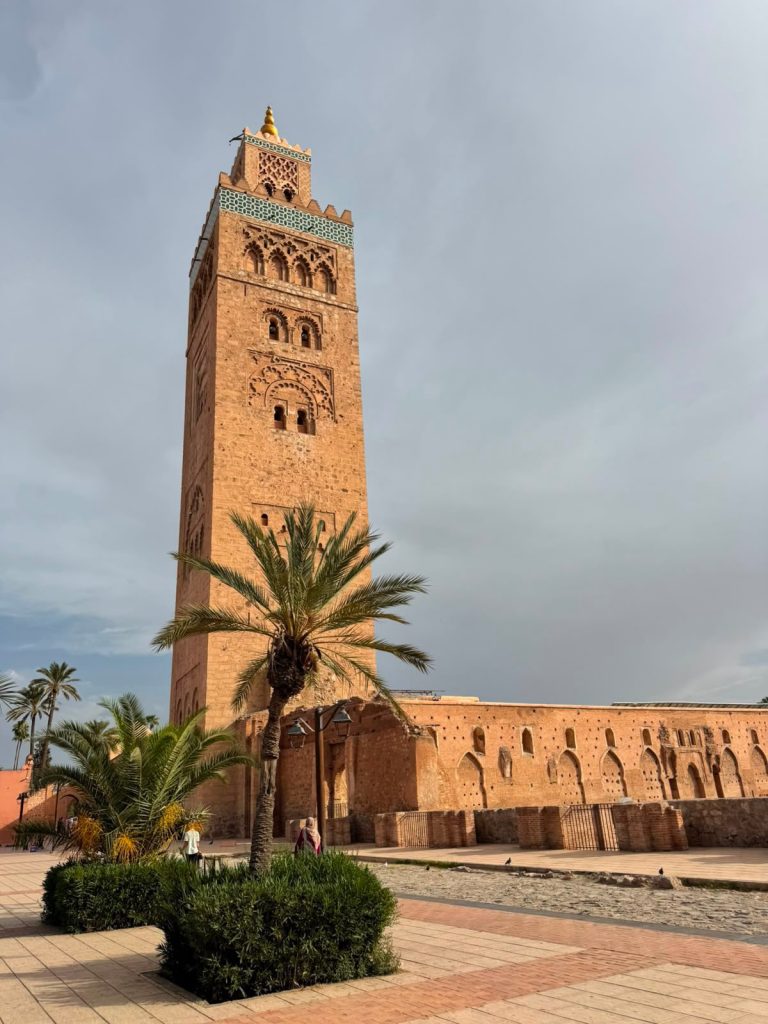
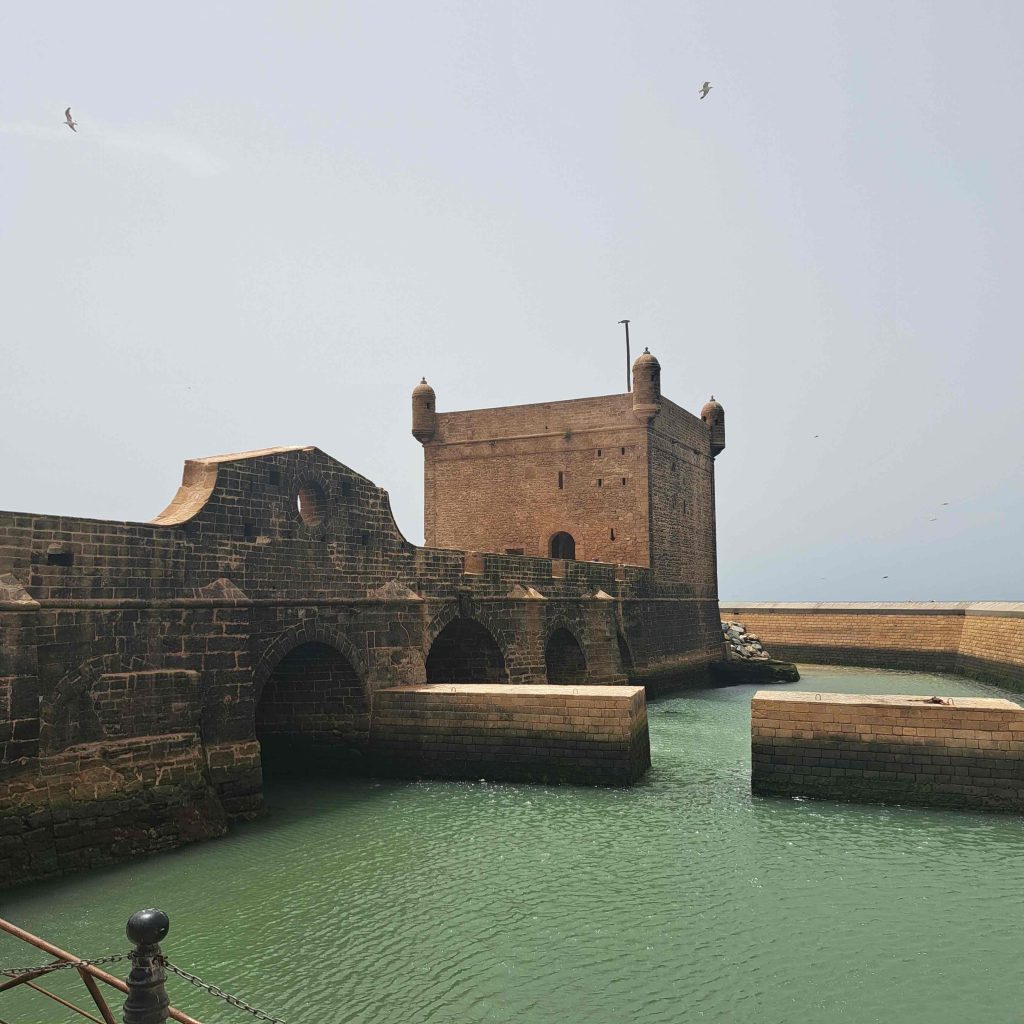
Arriving in one of Morocco’s largest cities, A. Savukynaitė remembers Marrakech as a place with a completely different pace of life, intense heat, noise, an unfamiliar language and colours rarely seen in everyday life in Lithuania.
Although the city’s smells, sounds and colours were striking during her first few days, she admits that what surprised her most was the generosity of the local people.
‘They would offer us food, give us lifts, show us around the city, invite us into their homes or simply take the time to talk. They were genuinely interested in getting to know us, girls from the other side of the world. That simplicity and sincerity will remain among my fondest memories,’ says A. Savukynaitė.
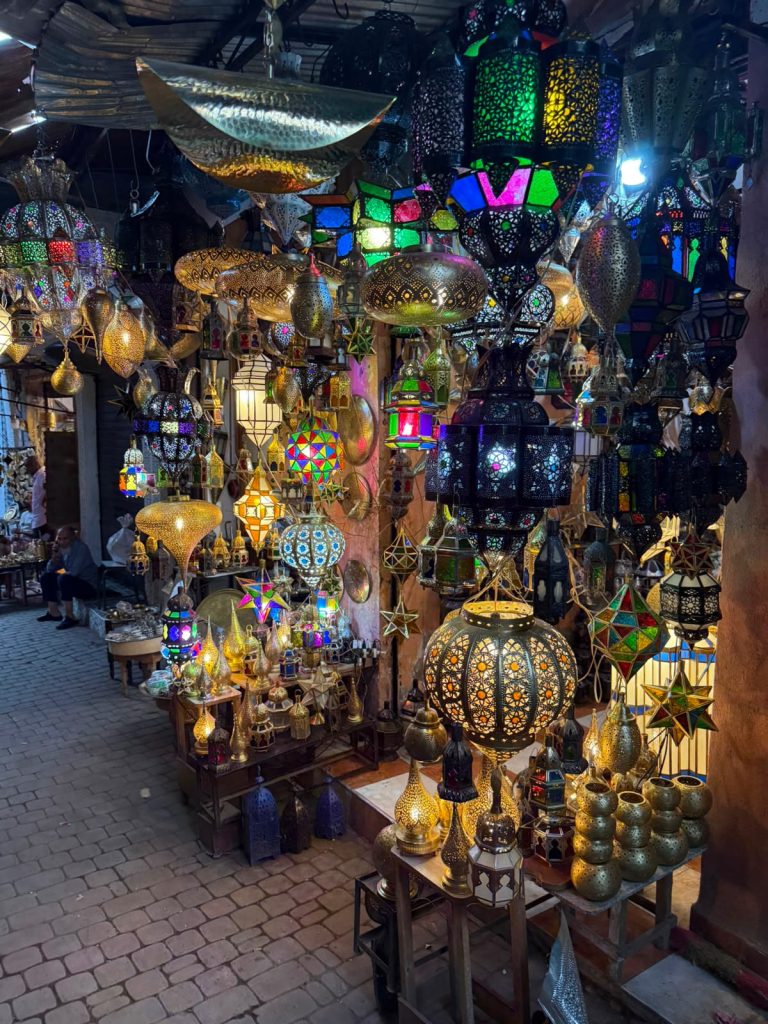
She recalls that, after complimenting a colleague on his perfume, she received a bottle of the same fragrance from him the following day. Another colleague, A. Savukynaitė explains, noticed at a market that she liked a traditional Moroccan dress and bought it for her. ‘I tried to say that she really didn’t need to, but over there, saying “you don’t have to” doesn’t seem to make much difference.’
A. Savukynaitė also tried to show her appreciation with gifts for the colleagues who had welcomed her so warmly, but their reactions were somewhat different from what she had expected.
‘I bought toys for the son of the same colleague, and she was actually a little upset. That’s when I realised how important it was to them that a gift should not come from pity or from a desire to show that you could afford more than they could. They love treating people, sharing what they have and giving gifts themselves, but they don’t want to feel as though they are lacking anything,’ she explains.
Another memorable encounter took place while she was travelling by motorbike. After striking up a conversation with the driver, she told him her name and explained that it was associated with gold.
‘Afterwards, he gave me a gold-coloured bracelet and kept repeating that it was real gold. Whether it actually was is another question, but the gesture itself was very sweet. After all, we were practically strangers,’ A. Savukynaitė recalls.
She adds that her colleagues in Marrakech went out of their way to make her feel welcome. They took her around the markets, helped her bargain and showed her places tourists rarely ventured into.
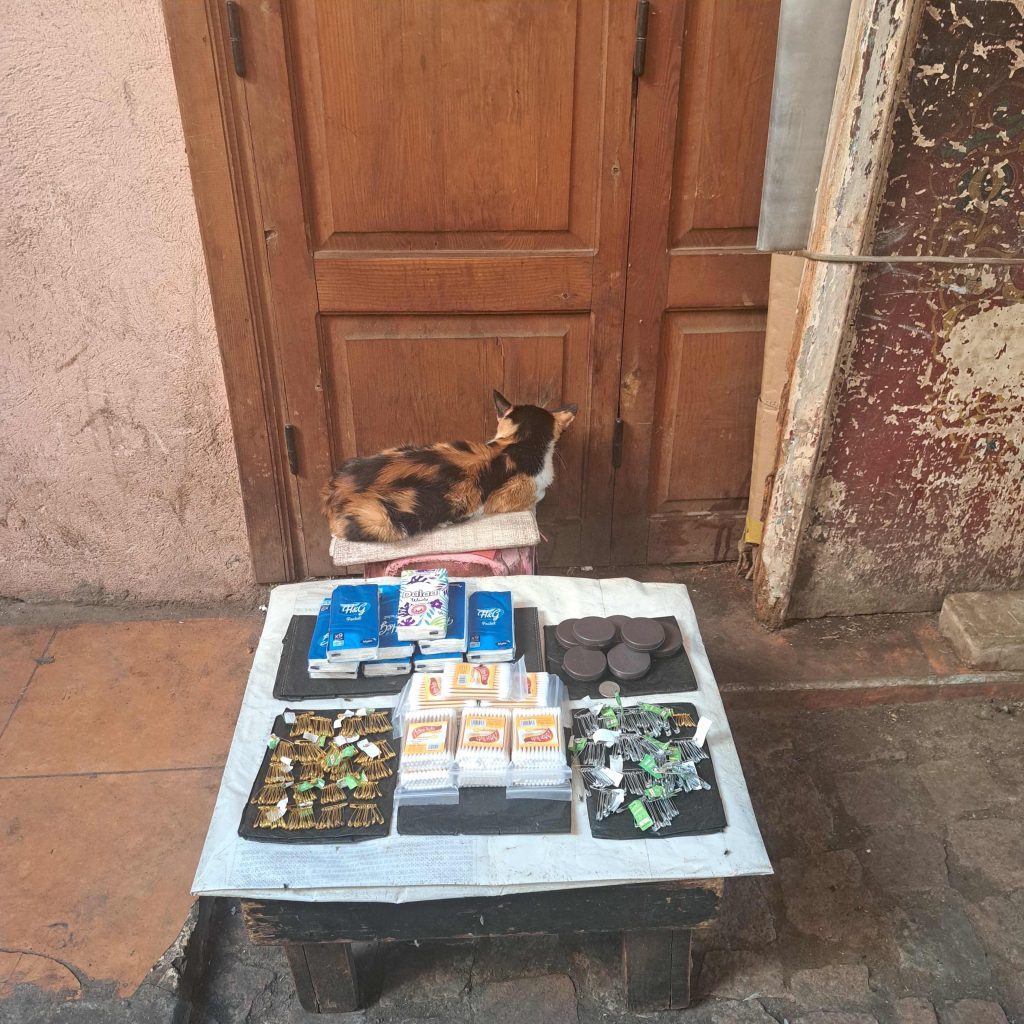
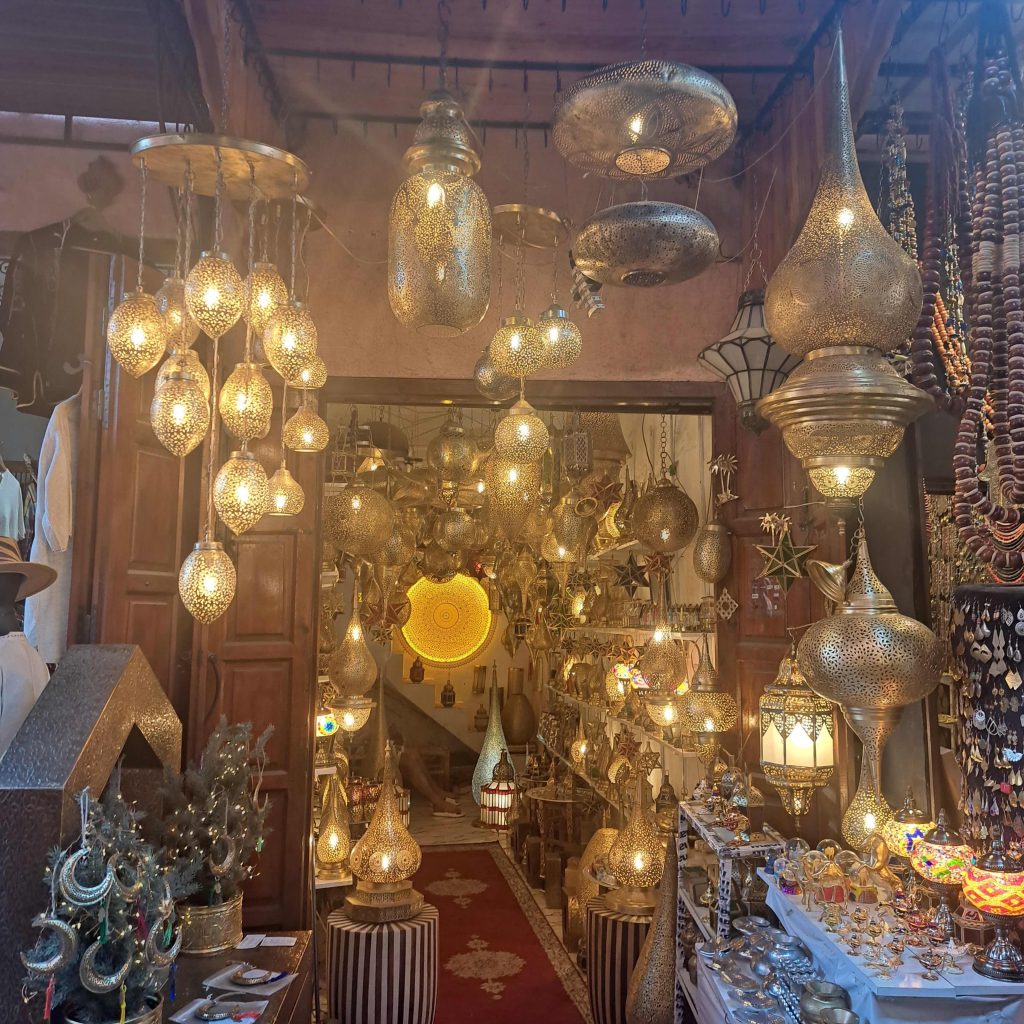
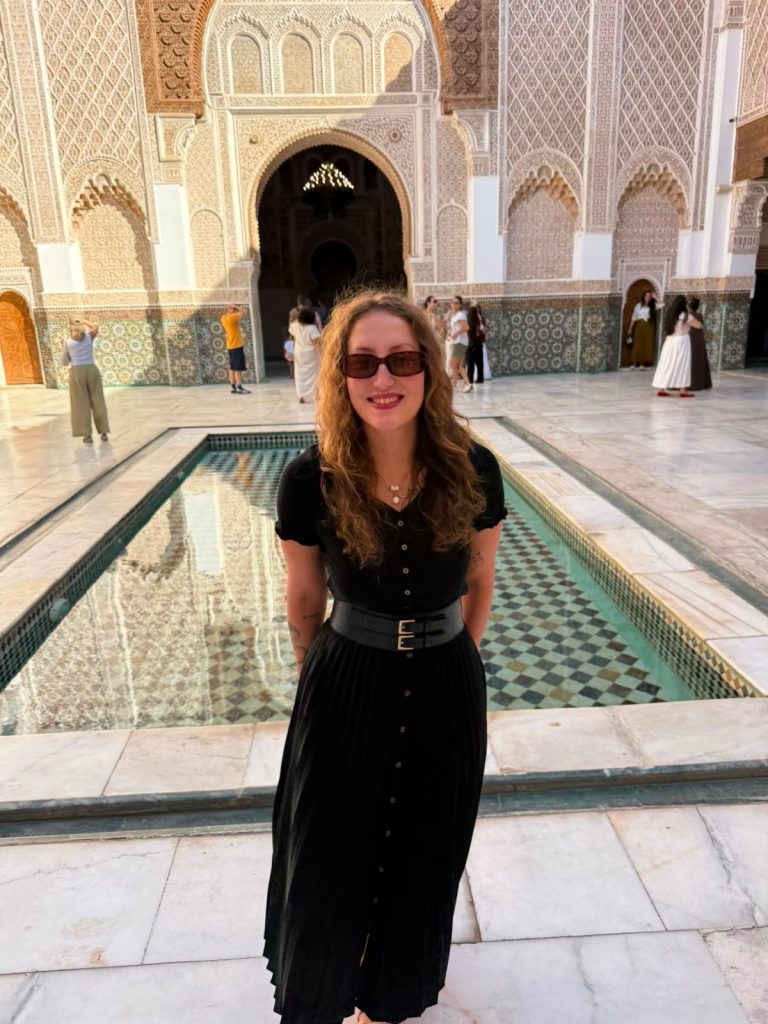
‘Sometimes I would look at them and think that they must be tired after work themselves, yet they still found the time to show me something or lend a hand,’ she says of the locals’ hospitality. ‘Those little things are what stayed with me the most. It wasn’t the gifts themselves, but the way people treated you – so warmly and without expecting anything in return. Sometimes it was even hard to understand why someone who barely knew you would go to such lengths to help.’
Discovering everyday life beyond tourist Morocco
A. Savukynaitė recalls that, from her very first days at the internship, she was welcomed by friendly colleagues who were always ready to help. Over time, some of them became friends, and it was through these relationships that she had the opportunity to discover not only the Morocco presented to tourists but also the more authentic everyday lives of local people.
‘I had the chance to visit Moroccan homes, listen to traditional songs, try local food, have henna designs applied and simply spend time with people whose culture had initially seemed so distant from my own. I realised that visiting a country’s most beautiful places is not enough to truly get to know it. Sometimes an ordinary evening in a local person’s home, a conversation over tea or the chance to witness everyday life that tourists rarely notice can tell you so much more,’ A. Savukynaitė says.
She adds that, during the several months she spent abroad, she wanted to see more than just the beautiful side of Morocco. She was also keen to discover how local people lived, explore places away from the tourist trail and gain a deeper understanding of the country.
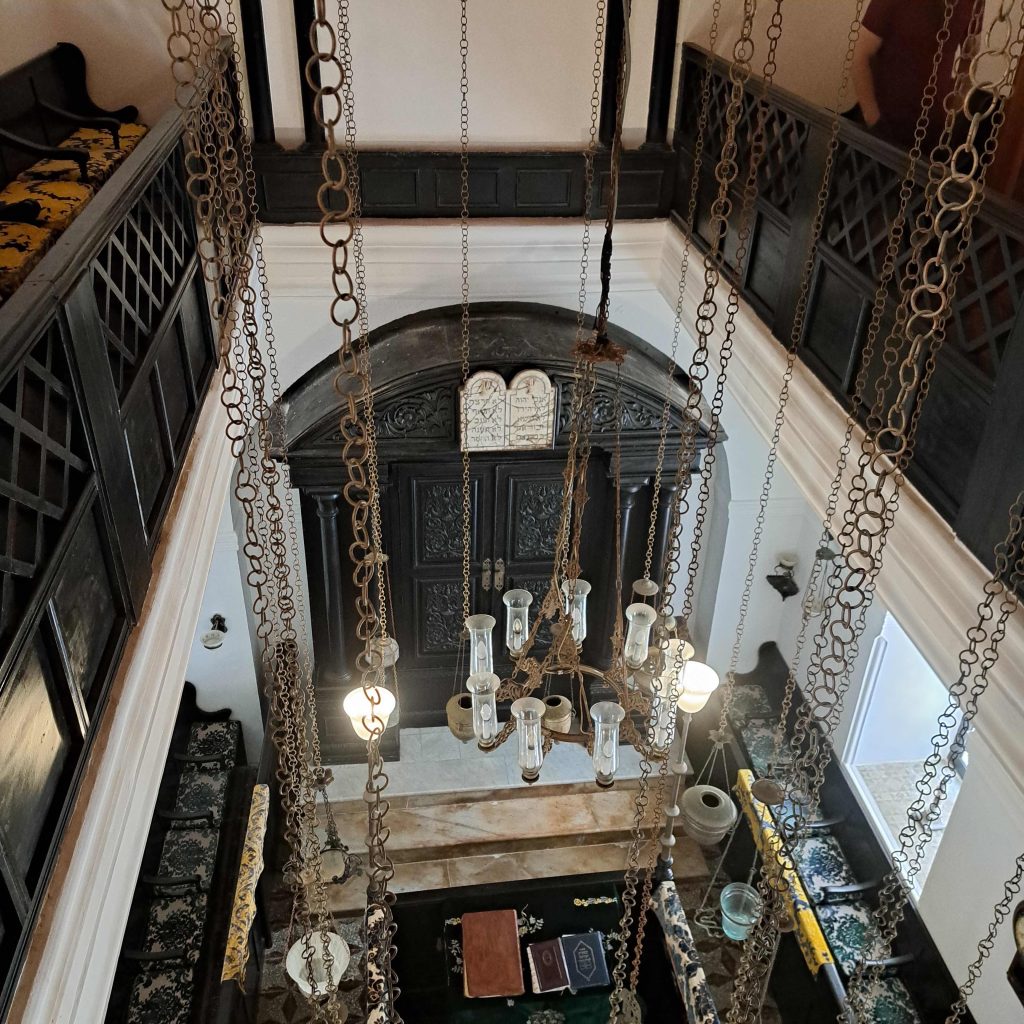
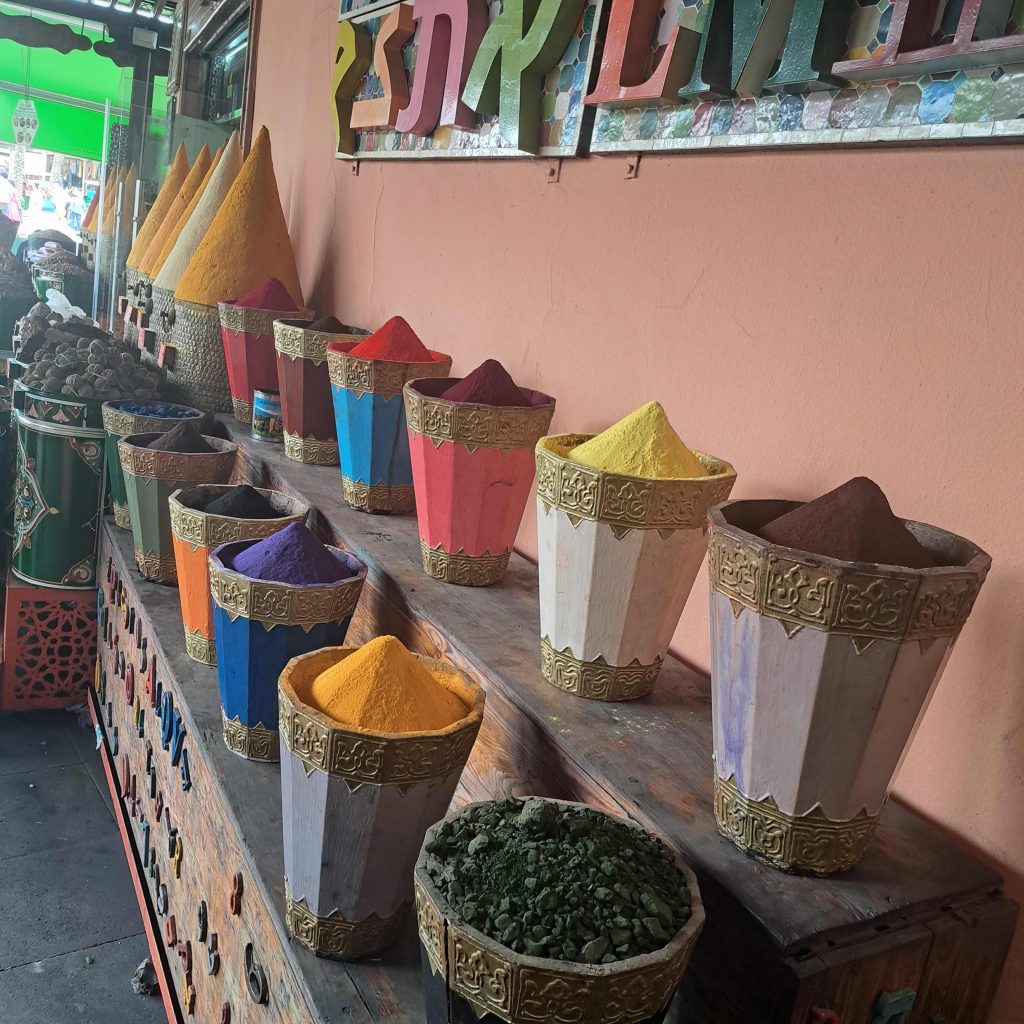
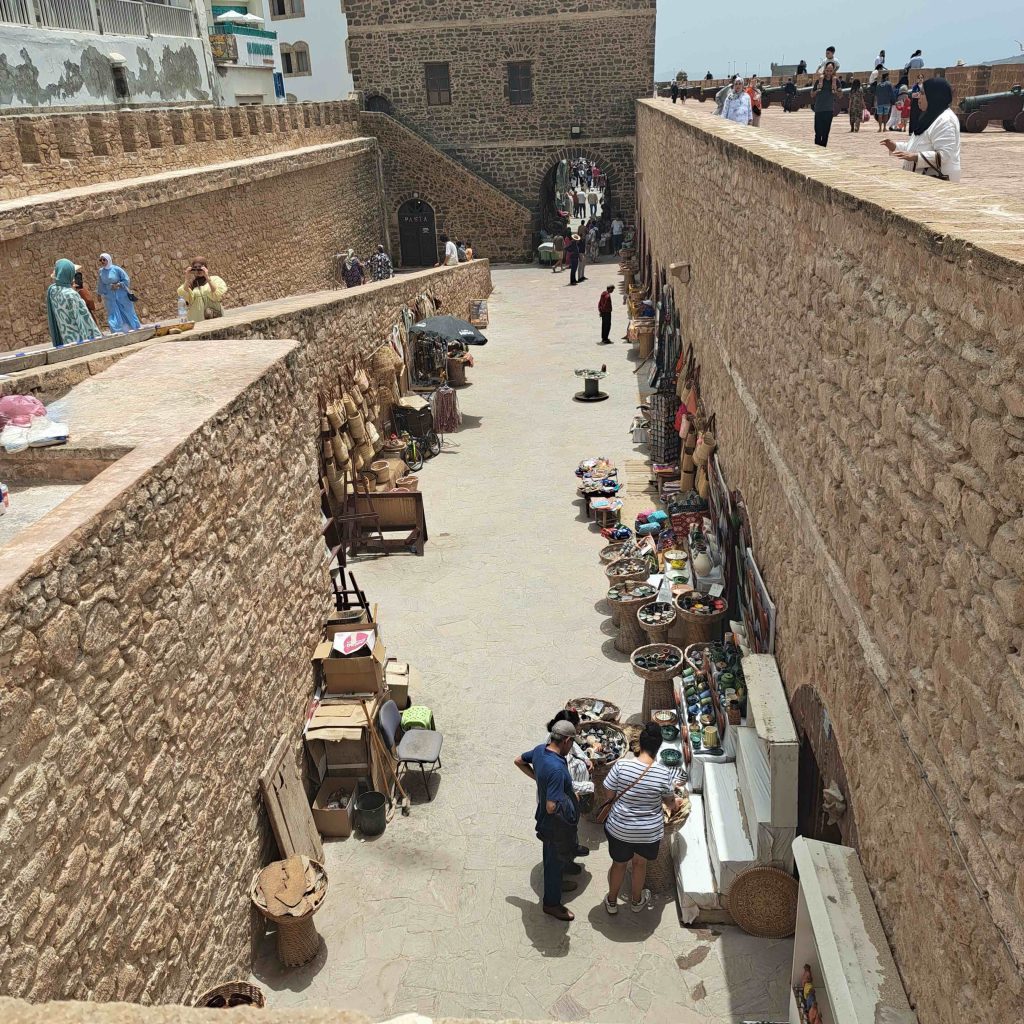
‘When travelling, it is easy to be captivated by colourful markets, beautiful architecture, sunshine and an exotic atmosphere. However, when you stay somewhere longer, you begin to notice another side of life: the everyday challenges people face, their efforts to make ends meet and the differences between what tourists see and how some local people actually live. That was what helped me understand the country and its people better,’ the Lithuanian student says.
Speaking about Marrakech’s markets, Savukynaitė jokes that they are a story in themselves: noisy, full of smells, colours and people, with a constant buzz of activity. Although a walk through such a market might give some people a headache, she says that navigating its narrow, bustling alleyways became one of her most memorable experiences.
‘I also had to learn another skill there – bargaining. Everywhere, with everyone. Sometimes even when using taxi apps!’ she says.
Everyday life in Morocco reminded her what really matters
Reflecting on the differences between Lithuania and Morocco, A. Savukynaitė says that the most noticeable contrast was the way people interact.
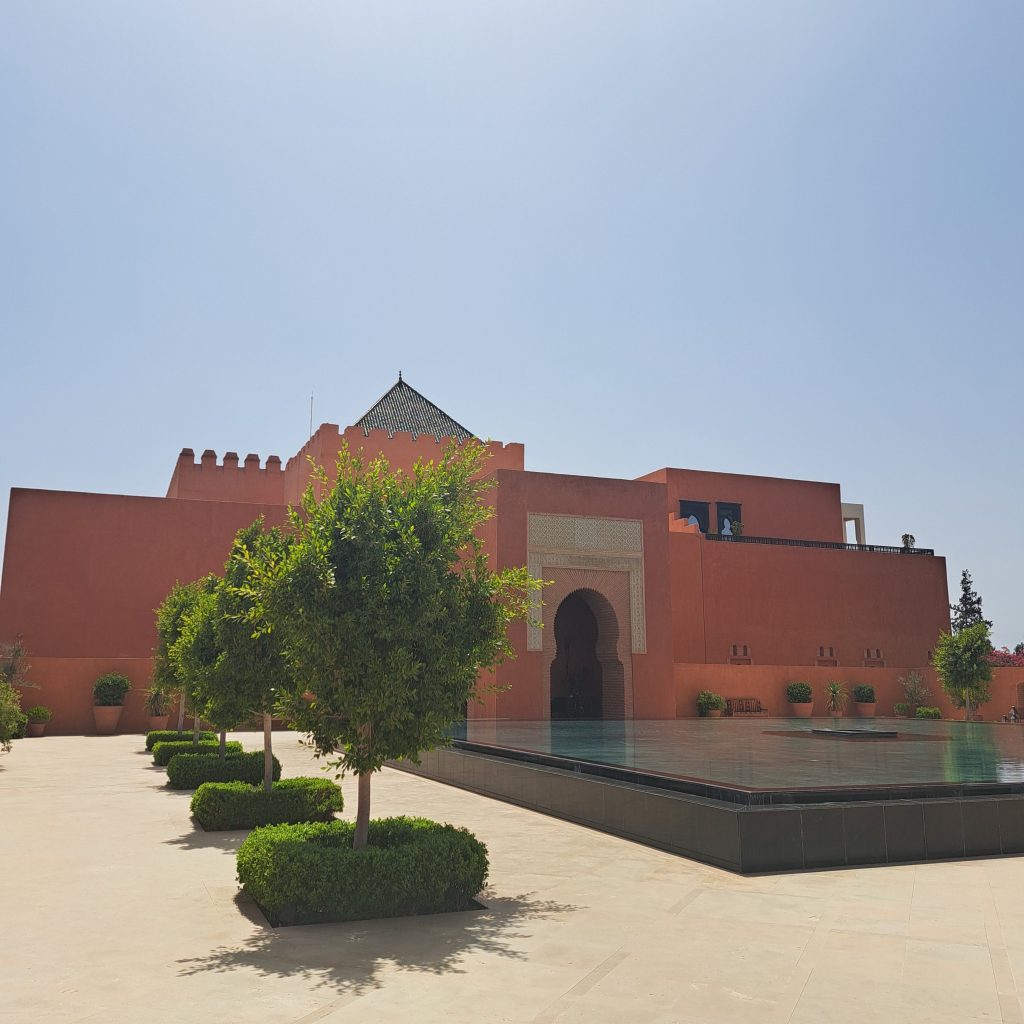
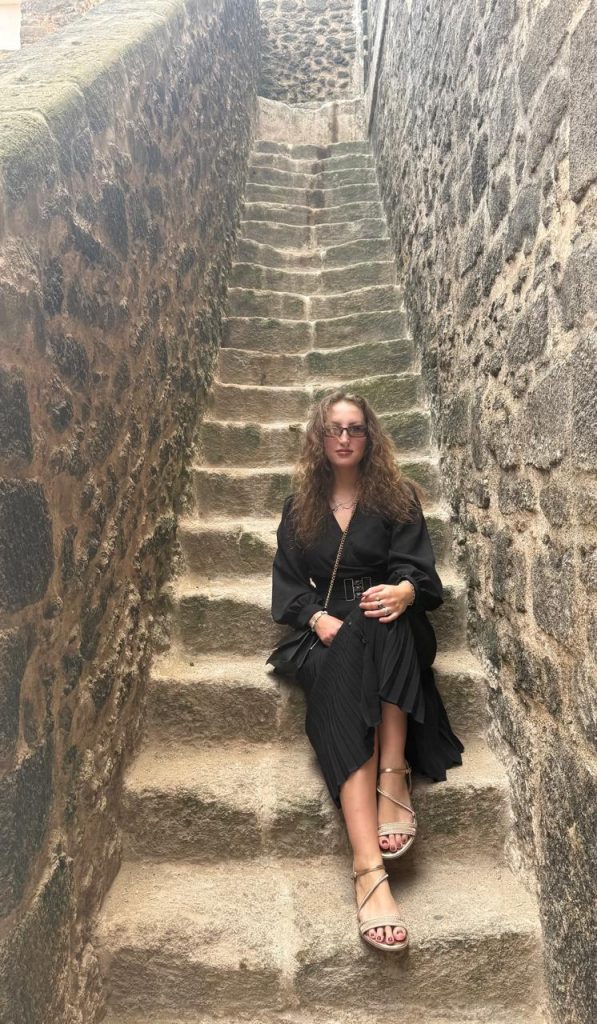
‘People in Morocco are much more open and warm. They strike up conversations easily, ask where you are from and what you are doing there, and might start joking with you or invite you for coffee almost as soon as you meet,’ she explains.
The Kauno kolegija student was initially a little surprised by how physically close people were when interacting with one another. People hugged and kissed each other in greeting much more often and tended to stand closer together.
‘At first, as a Lithuanian, you definitely find yourself wanting a little more personal space. But after a while, you get used to it, and it even starts to feel perfectly natural,’ she says.
Another noticeable difference was the pace of life. A. Savukynaitė explains that, while in Morocco, she felt as though something was always happening. The streets were full of people, and in the evenings everyone seemed to be heading to cafés, meeting friends or spending time with family.
‘What surprised me most was that many people work six or even seven days a week, yet they still have the energy to go out in the evening. Sometimes, after work, all I wanted to do was lie down, while they would already be making plans for where we were going and what we were going to do,’ A. Savukynaitė recalls.
Despite the apparent differences between the two countries, she also noticed similarities, particularly among older people.
‘Moroccan grandmothers reminded me so much of Lithuanian grandmothers. They might keep an eye on you and ask where you are going and what you are doing, but once you have been welcomed into their home, you certainly won’t leave hungry. They will cook plenty of food for you, pack some for you to take home and still ask whether you have enough. I think grandmothers are the same all over the world,’ A. Savukynaitė says with a smile.
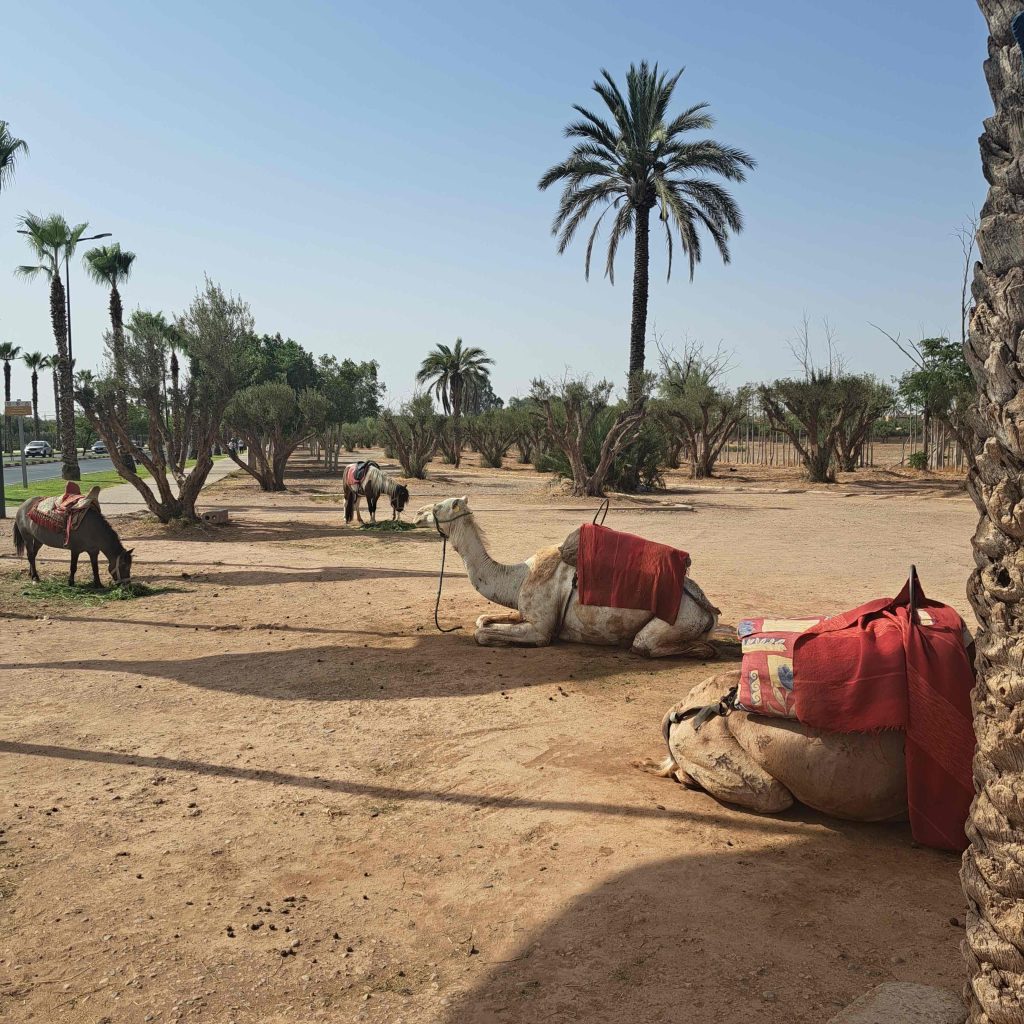
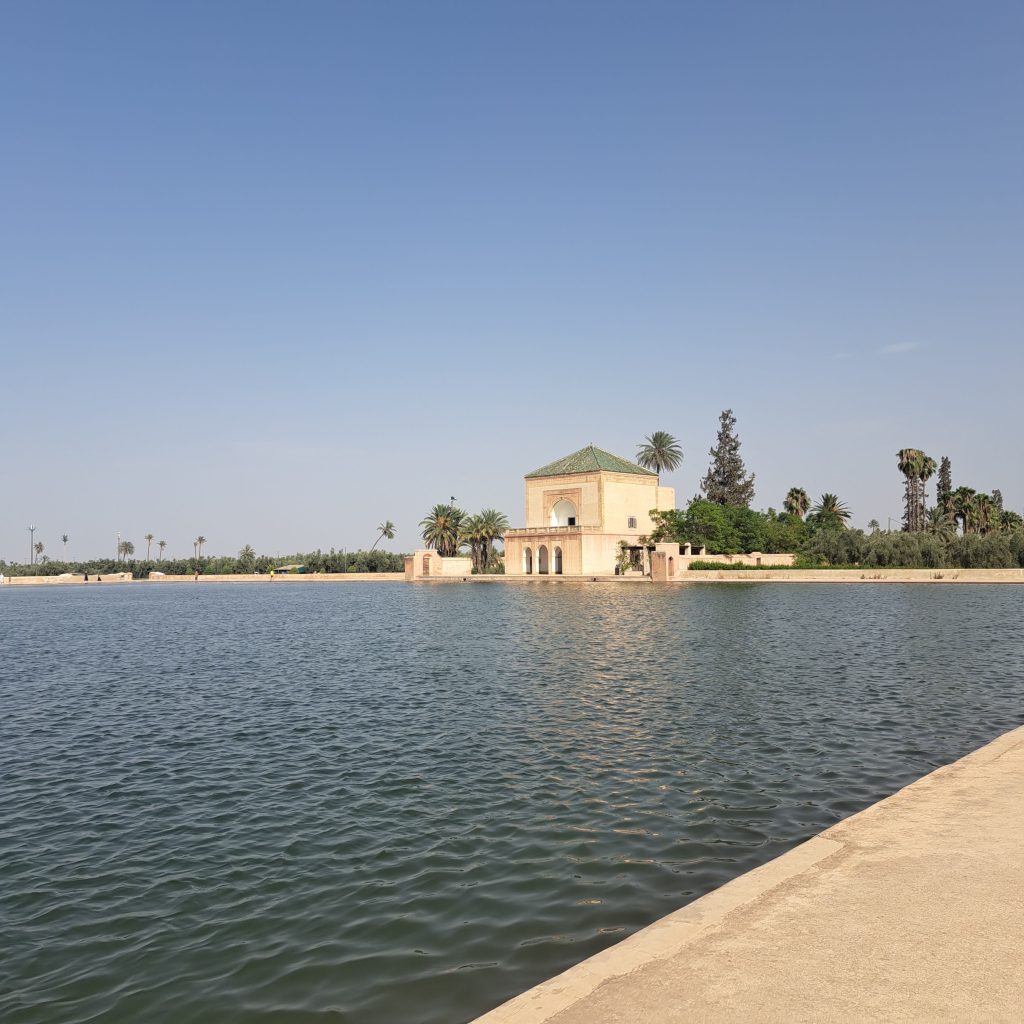
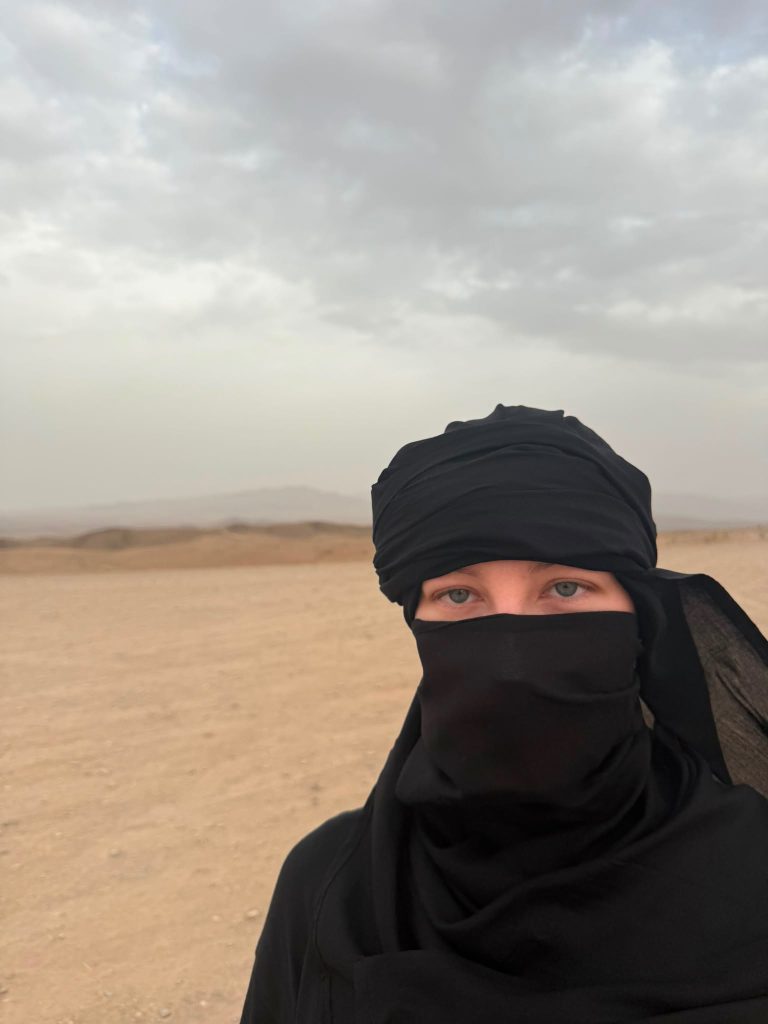
Looking back on her experience, she says Morocco showed her that people can live more simply while placing great value on spending time together, family, friends and life’s everyday pleasures.
‘I really liked how they made time to meet up, talk, laugh and bring a sense of life and energy to everything they did. When I returned to Lithuania, I even felt that we sometimes rush around too much, get caught up in our own affairs and create unnecessary stress for ourselves,’ she says, adding:
‘I think the main thing I brought back from Morocco was the feeling that sometimes we need to take a simpler approach to life, spend more time with people and stop taking everything so seriously. After all, we only live once!’