Kauno kolegija students take on a challenge in France: how can a community be built around a greenhouse?
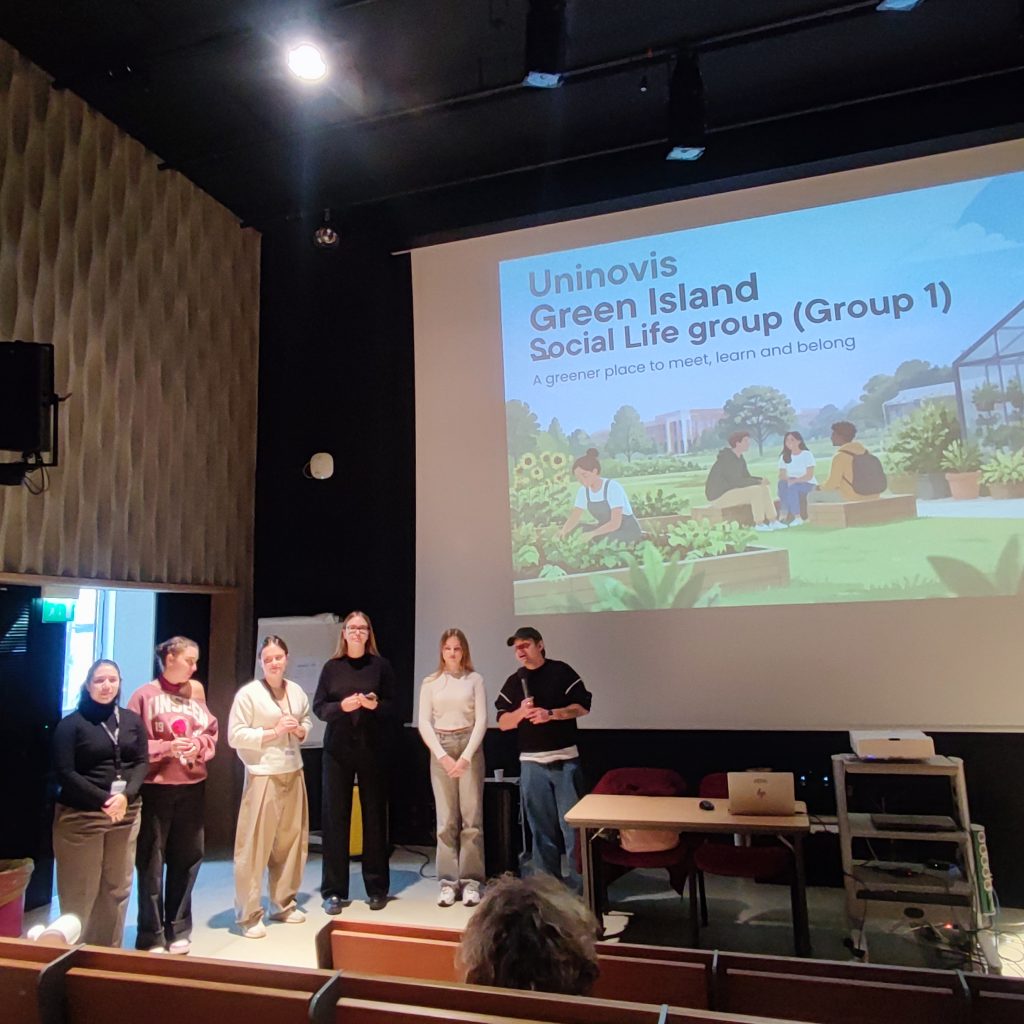
For a greenhouse to become a meeting place for the university and local communities, several practical questions need to be answered. Who would grow the plants? Who would look after them? What activities could take place around the greenhouse? Five Kauno kolegija students set out to find answers to these questions, joining other participants from the European University Alliance UNINOVIS to develop a vision for a ‘green island’ in an underused area of the Villetaneuse campus.
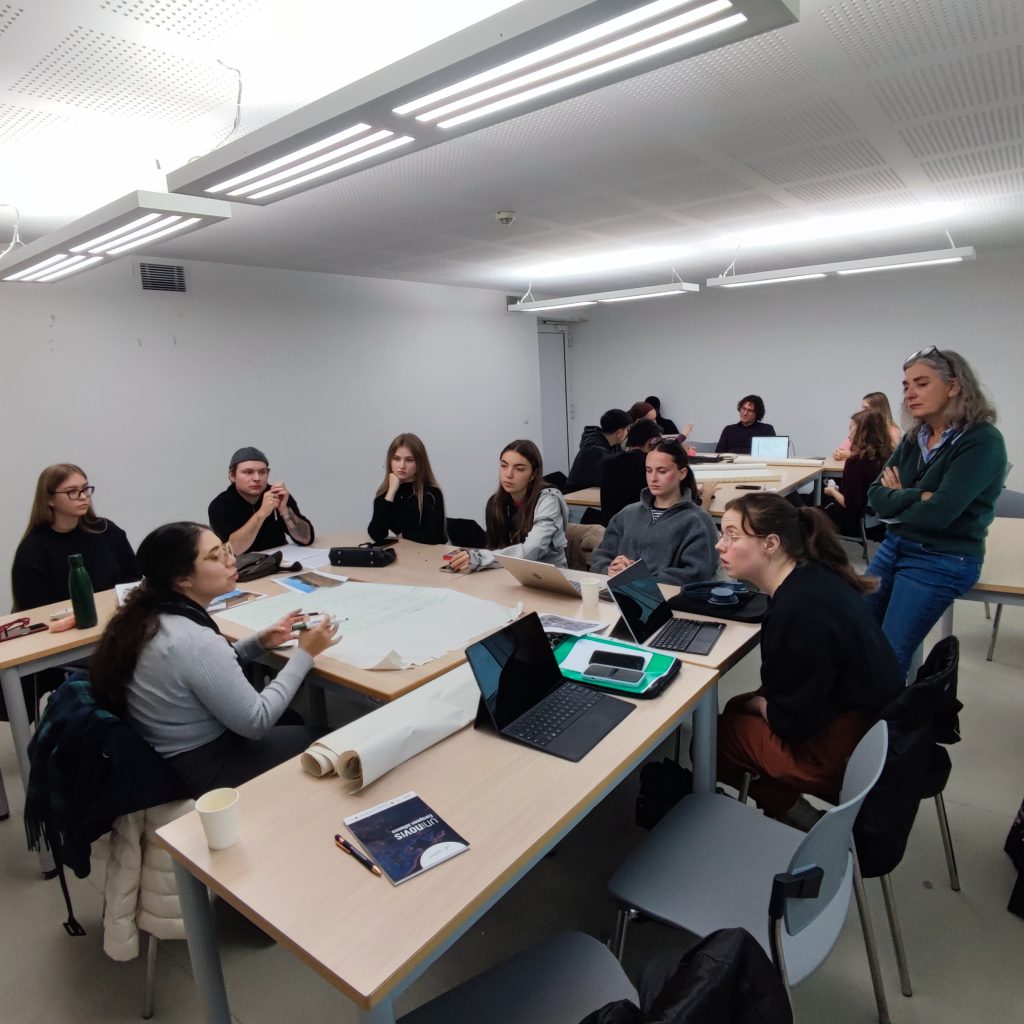
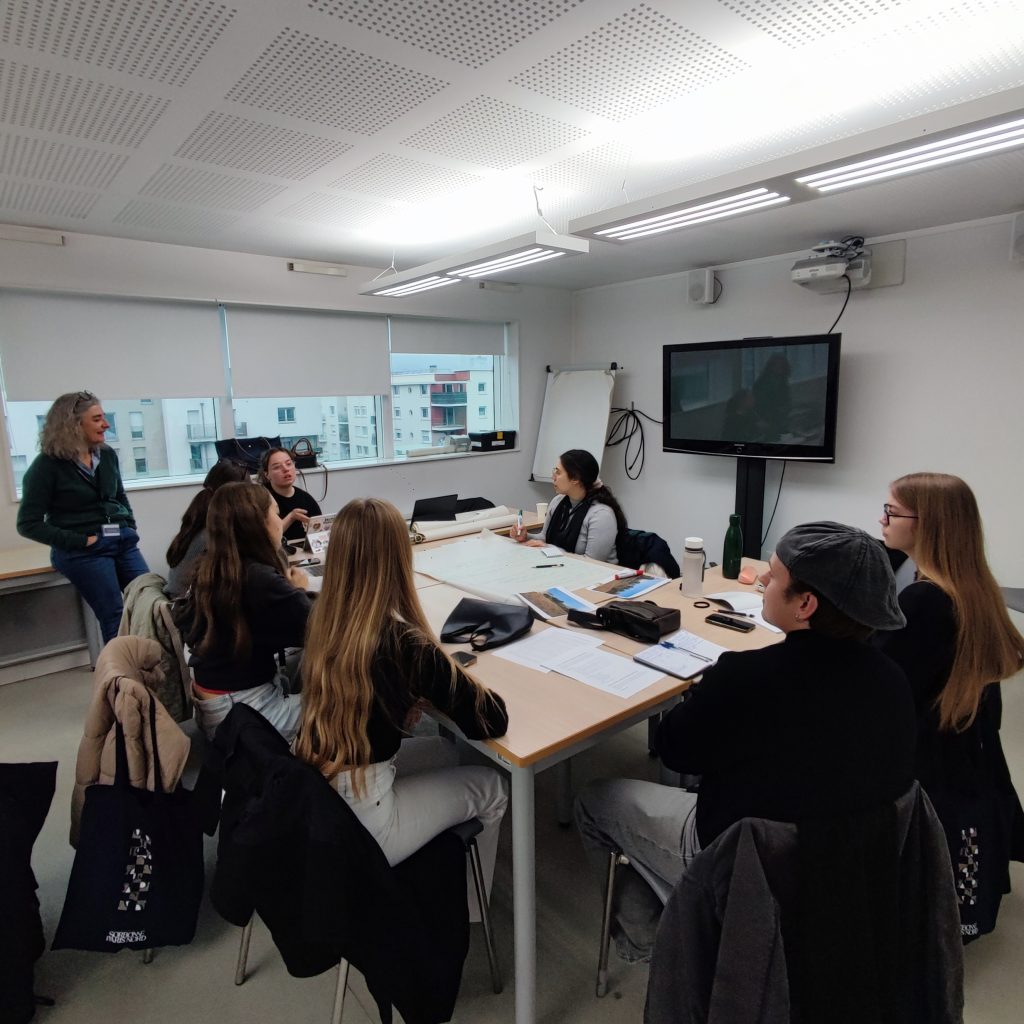
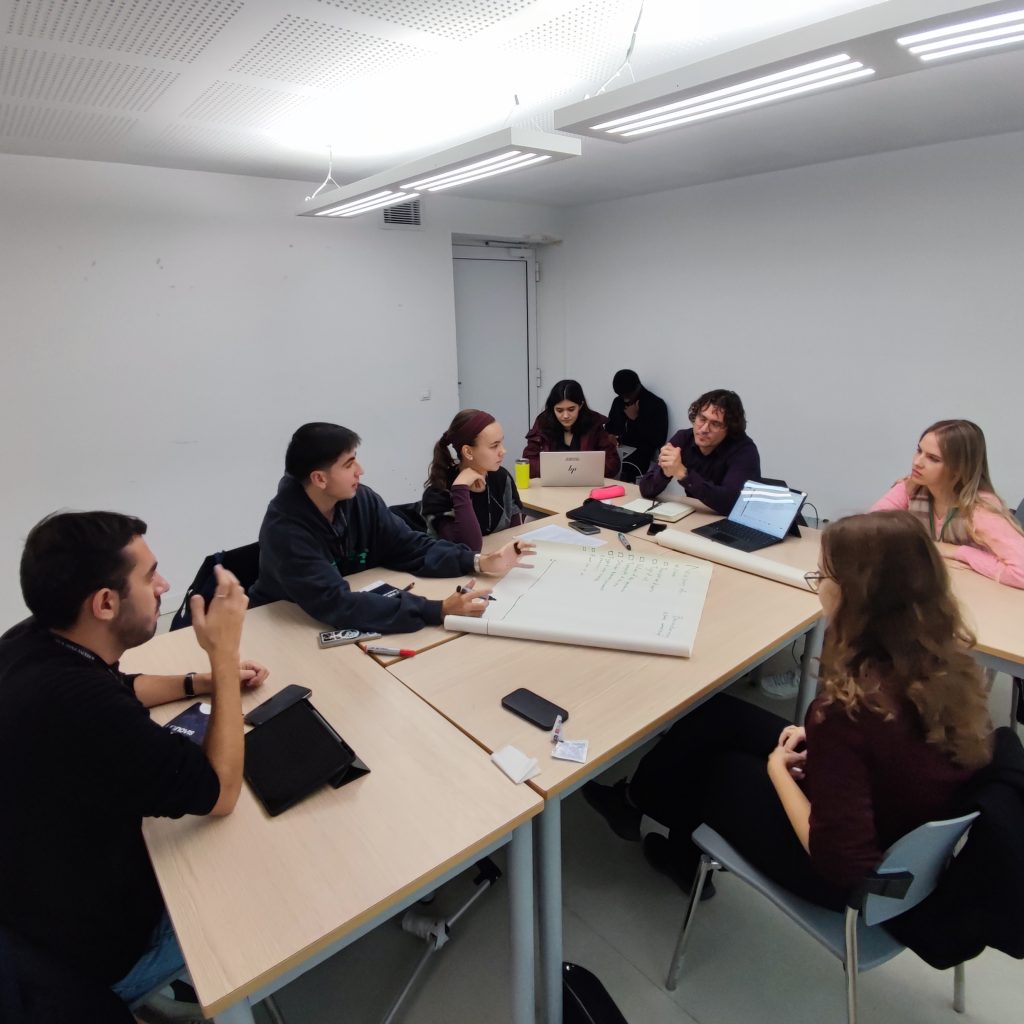
Held from 2 to 6 November at Université Sorbonne Paris Nord (USPN), the ‘UNINOVIS Innovation Challenge Camp for Developing a Green Island’ hackathon was organised as part of the Erasmus+ Blended Intensive Programme (BIP). Participants were tasked with proposing how to establish a greenhouse on campus and design the surrounding area so that it could be used by both the university community and local residents.
What could a ‘green island’ bring to the campus?
A shared greenhouse would give students and local residents a tangible reason to come together. By growing food crops, they could exchange experiences and gain practical insights into topics commonly discussed in relation to sustainable agriculture and healthy eating: how much water plants need, what can be grown in the available space and how organic waste can be put to use. Whether people would want to return regularly, and whether they would be able to do so, would depend on how the surrounding area was designed and how responsibility for its upkeep was shared.
Student involvement is also important because students themselves are among the potential future users of such a space. When planning it, they could consider what activities would appeal to their peers and how local residents could contribute. At the same time, they had to assess what would be needed to turn these ideas into reality – from water and energy supplies to funding and day-to-day maintenance.
From community activities to energy solutions
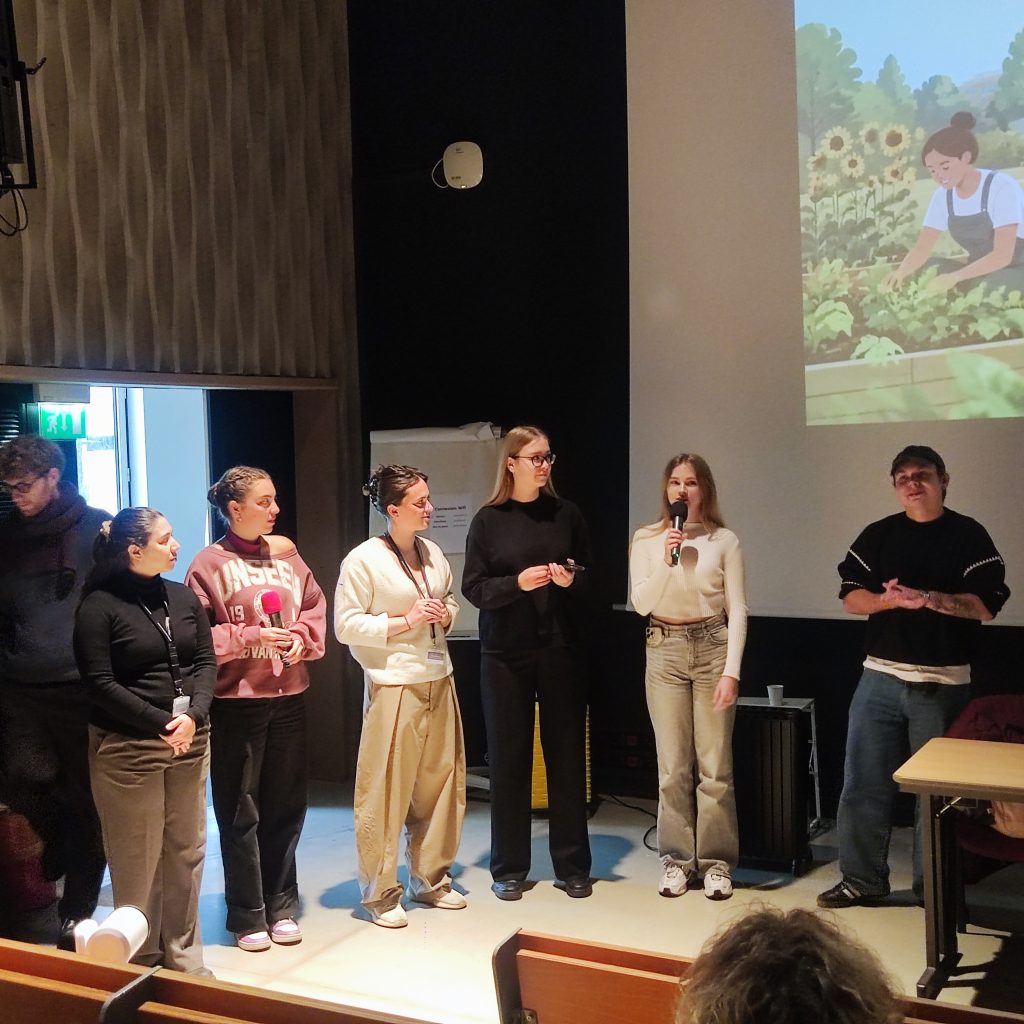
Students from six UNINOVIS partner higher education institutions worked in five international teams. Rugilė Vaškytė, a student on the International Business study programme at Kauno kolegija’s Faculty of Business, explored ways of encouraging people to take part in community activities. In another team, Austėja Urbanavičiūtė, a student on the Gastronomy and Entrepreneurship study programme at the Alytus Faculty, examined the cultivation of edible plants and healthy eating, while Ema Rutkauskaitė, a student on the Accounting study programme at the same faculty, contributed to planning the area and developing funding solutions.
Two students from the Faculty of Computing, Engineering and Technologies – Djamel Hammar, a student on the Software Systems study programme, and Modestas Partaukas, a student on the Green Energy Engineering study programme – worked together to explore energy solutions and smart monitoring systems. The fifth team focused on ways to promote biodiversity in the area, manage waste and use water responsibly.
The community engagement team received guidance from Dr Kristina Grumadaitė, a researcher at Kauno kolegija’s Faculty of Business and Alytus Faculty. The students also received advice from Dr Laimonas Kairiūkštis, a researcher at the Faculty of Computing, Engineering and Technologies, who was at the time involved in activities under the project ‘Metrological data monitoring using low-cost IoT measuring devices in indoor environments’. The project is part of the Žilibero Lithuanian–French programme, jointly implemented by Kauno kolegija and USPN.
What the students brought back from France
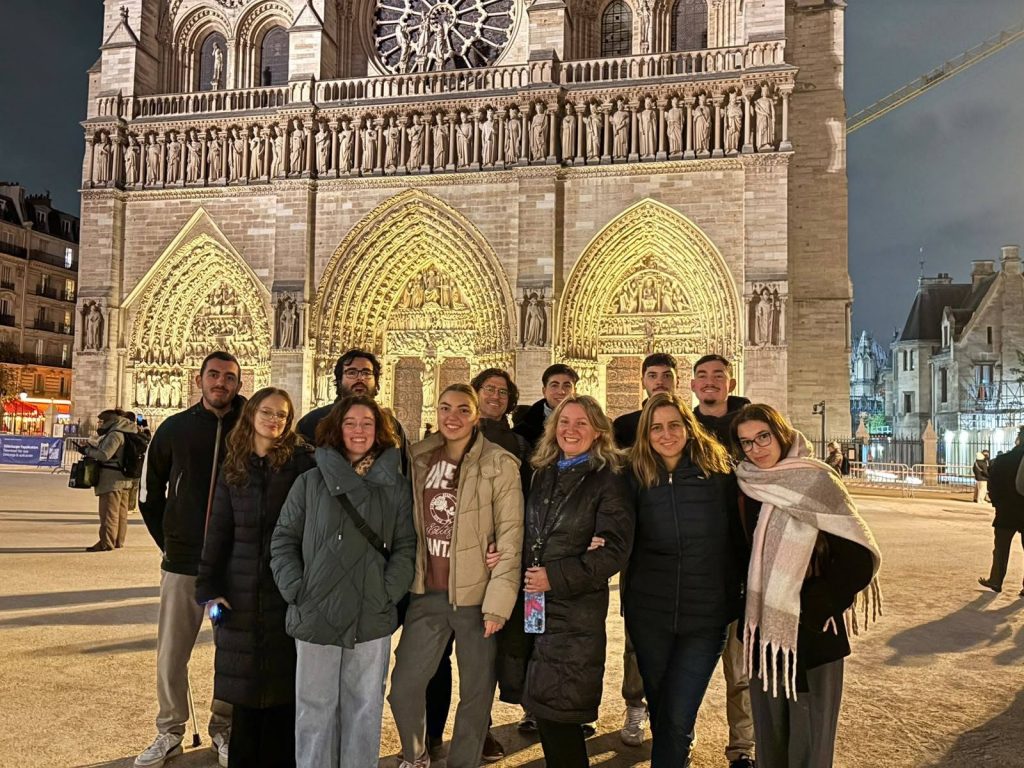
Participants also explored sustainability solutions beyond the university campus. During a visit to the site of the Olympic Village built for the 2024 Summer Olympic Games, they learned about sustainability practices implemented in Paris. Kauno kolegija students also appreciated the opportunity to experience a different culture and collaborate with peers from different countries and academic disciplines.
According to Rugilė Vaškytė, the programme helped her gain a better understanding of what responsible resource use means in everyday life and how environmental principles can be applied in business. Djamel Hammar highlighted the opportunity to learn by tackling a shared challenge in an international team. ‘It was also a great opportunity to improve my communication, problem-solving and teamwork skills, as well as to establish international connections,’ the student said.
For Dr Kristina Grumadaitė, one of the most memorable aspects of the programme was the students’ active involvement in the challenge. The mentor also expressed her gratitude to the organisers for ensuring participants’ safety during the protests in Paris. She believes that the experience gained in France will prove valuable when organising similar events at Kauno kolegija.