Professional and personal growth: opportunities for lifelong learning at Kauno kolegija
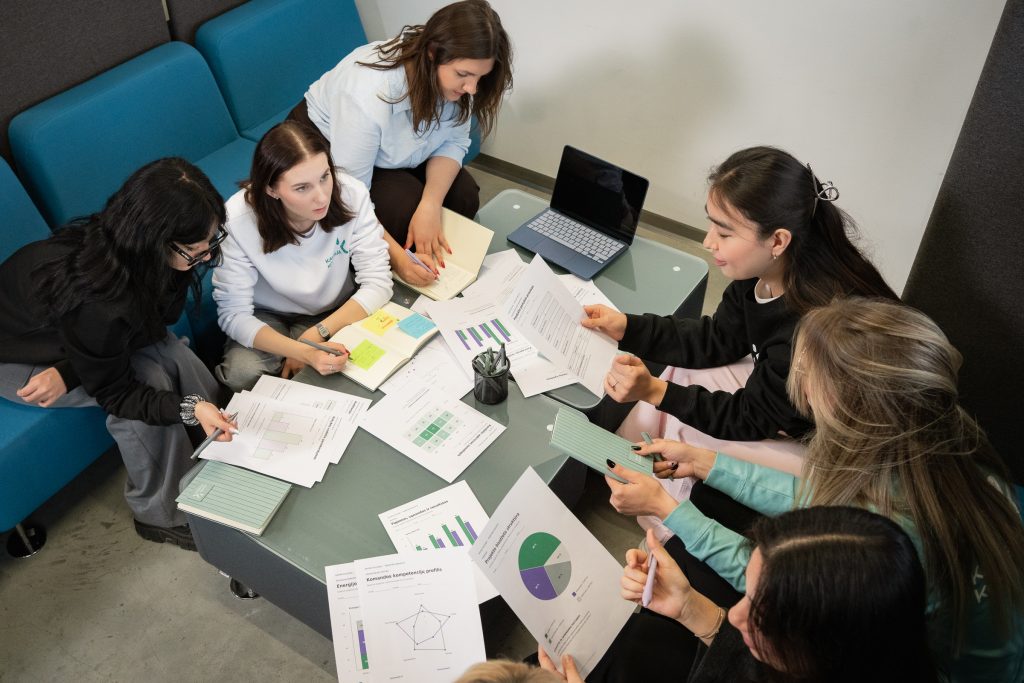
Learning today extends far beyond formal studies or obtaining an initial qualification in a chosen profession. A constantly evolving labour market and personal ambitions encourage people to update their knowledge and skills at every stage of life.
In response to these needs, Kauno kolegija is developing its Lifelong Learning Centre, bringing together the potential for non-formal and continuing education across the institution within a single ecosystem. Its training portfolio covers a wide range of fields, including business, management, information technology, languages, healthcare, education, the arts and other areas.
A strategic step towards expanding learning opportunities
Dr Inga Stravinskienė, Vice Director for Research and Development at Kauno kolegija, emphasises that the Lifelong Learning Centre is an important part of the institution’s activities, helping to broaden access to learning opportunities and respond to the changing needs of society and the labour market.
The Centre draws on the knowledge, experience and expertise accumulated across various fields at Kauno kolegija, seeking to make the most of these resources for different groups of learners – from professionals looking to update their knowledge to individuals pursuing personal development.
‘Today, lifelong learning is becoming an integral part of both professional and personal growth. Constantly changing circumstances and technological advances encourage us to update our knowledge, develop new skills and seek opportunities for further development. It is therefore important to create learning opportunities that cater for different needs and remain accessible at various stages of life and professional careers,’ says Dr I. Stravinskienė.
She notes that the Lifelong Learning Centre brings together the institution’s knowledge and experience, expands its provision of non-formal and continuing education, and creates opportunities for people to acquire new knowledge, develop their skills and prepare for professional change.
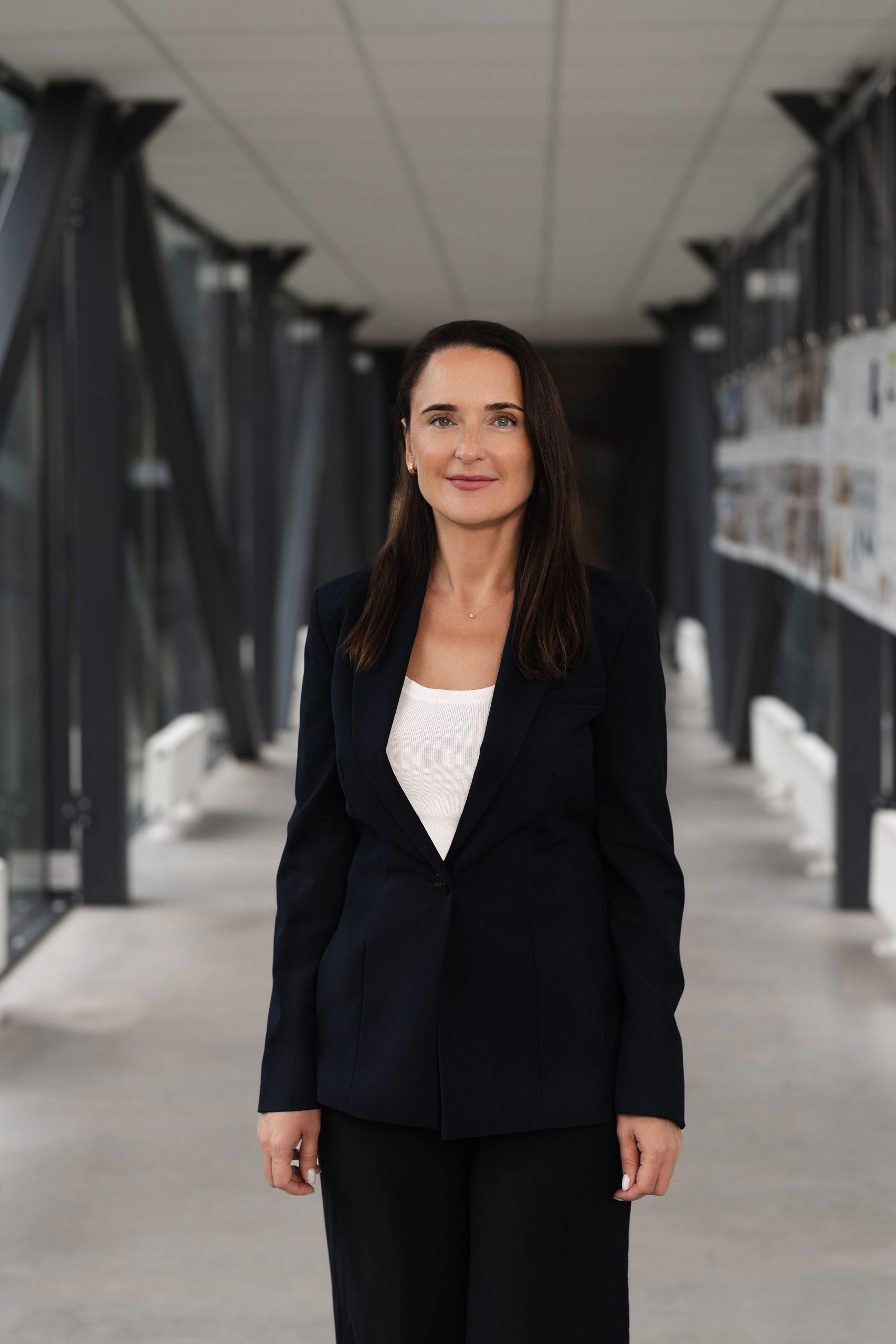
‘Our aim is to create learning opportunities that are accessible to people with different needs and help them grow both professionally and personally. This means not only offering relevant programmes but also ensuring their quality, flexibility and alignment with the actual needs of learners, businesses and the public sector,’ Dr I. Stravinskienė points out.
Learning opportunities in one place, tailored to different needs
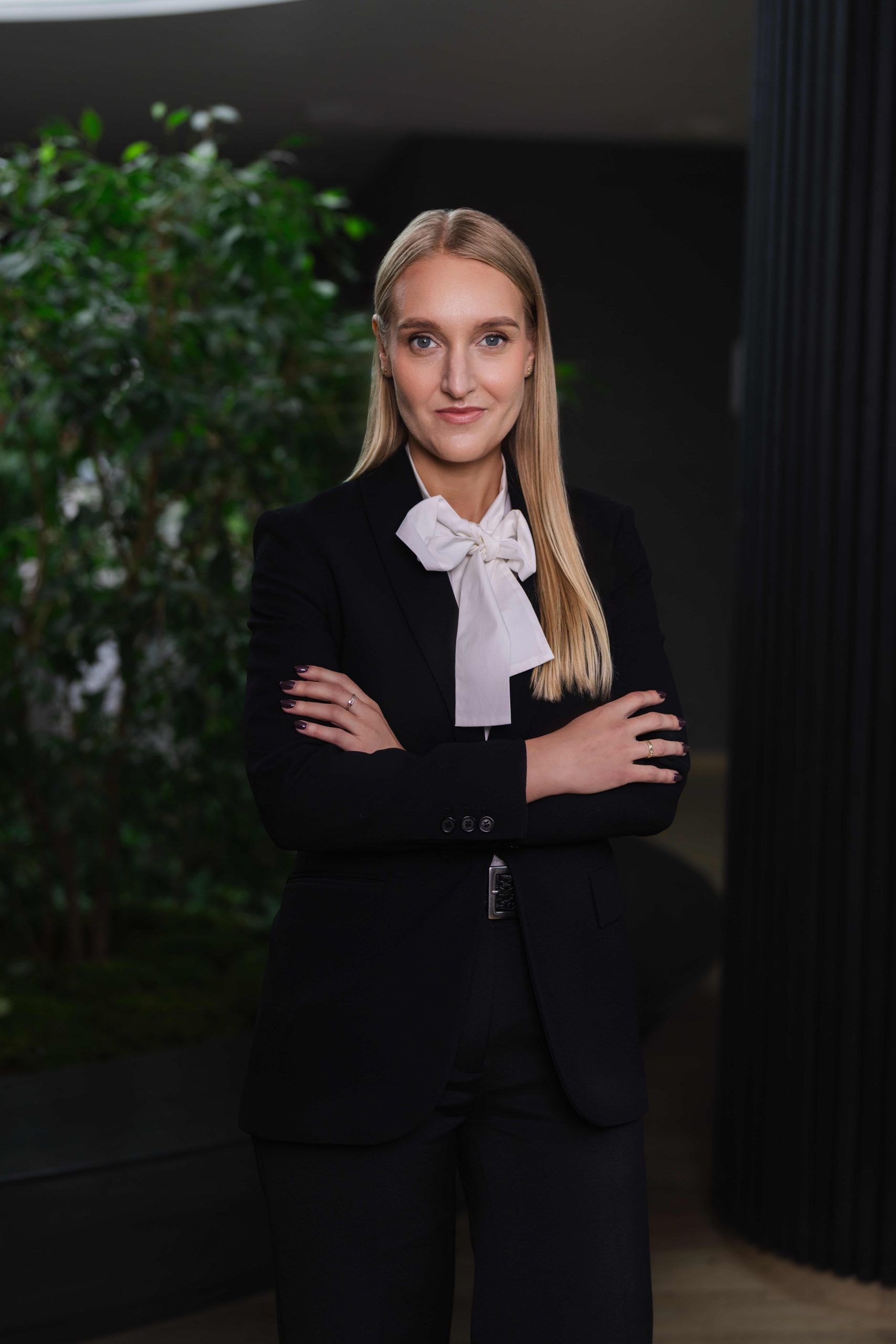
Donata Vitkauskaitė-Lukoševičienė, Head of the Lifelong Learning Centre at Kauno kolegija, explains that the Centre brings together the institution’s entire potential for non-formal and continuing education within a single ecosystem.
‘I am particularly drawn to the late Leonidas Donskis’s view of education as an ongoing process of self-reassessment. This is why I firmly believe that learning is not merely a formality, but a fundamental and continuous human need – one that enables us to remain relevant, think critically and continue developing in a rapidly changing world,’ says D. Vitkauskaitė-Lukoševičienė.
She notes that the Lifelong Learning Centre currently offers a broad range of training programmes.
‘Micro-credentials are an important part of this ecosystem. Together with our partners in the international UNINOVIS alliance, we are developing them as a high-quality means of recognising learning achievements. Micro-credentials make it possible to formally recognise and accumulate acquired competences. Our ambition is to ensure that this recognition also has international reach,’ says the Head of the Lifelong Learning Centre.
D. Vitkauskaitė-Lukoševičienė explains that the entire range of learning opportunities is being brought together on a unified digital platform. This is the first digital tool of its kind at Kauno kolegija, making lifelong learning a convenient, clearly presented and easily accessible offering designed to empower individuals.
‘As a result, our activities are aimed at a very broad range of audiences, all united by a motivation to grow. These include members of the general public and working professionals seeking career changes without committing to long-term studies, as well as business organisations and our own community – students, graduates and staff. To make learning a natural part of everyday life, we offer maximum flexibility by combining face-to-face, blended and online learning formats,’ she explains.
D. Vitkauskaitė-Lukoševičienė identifies the unified system as the Centre’s key distinguishing feature: ‘We present the platform as a standalone product in its own right. For the first time at the institution, the full range of lifelong learning opportunities is publicly available, visible and conveniently accessible in one place.’
The Head of the Centre also highlights the importance of quality and reliability. These are ensured through consistent quality monitoring and a clear alignment with Kauno kolegija’s strategy, giving everyone who chooses the Centre’s training programmes a clear understanding of what they can expect.
‘I see the future in both a growing number of new programmes and a broader choice of learning formats – offering flexible access at times and in ways that suit individuals, so that learning can become a natural part of their everyday lives,’ says the Head of the Lifelong Learning Centre at Kauno kolegija.
New opportunities just a few clicks away
Kristina Juodeikienė, Senior Specialist at the Lifelong Learning Centre at Kauno kolegija, explains that the platform has been designed to make the journey from the desire to learn to actually taking part in a training programme as simple and convenient as possible.
‘One of the platform’s greatest strengths is the diversity of learning opportunities it offers. It showcases programmes across a range of fields, including business, management, information technology, languages, healthcare, education, the arts and other areas. This extensive choice reflects the modern understanding of lifelong learning: personal development is not limited to a single profession, age group or particular stage of life,’ says K. Juodeikienė.
She notes that particular emphasis is placed on micro-credential programmes – a modern approach to learning focused on acquiring specific competences. These programmes enable learners to systematically strengthen their expertise in their chosen fields.
‘At the same time, the learning process becomes more flexible and increasingly focused on tangible outcomes. This is particularly relevant for working professionals who want to develop their skills without having to step away from their professional responsibilities,’ K. Juodeikienė explains.
She emphasises that the Lifelong Learning Centre platform is designed not only for individual learners but also for businesses, public sector bodies and other organisations. Strengthening employees’ competences is increasingly becoming one of the key factors determining an organisation’s competitiveness and ability to adapt to change.
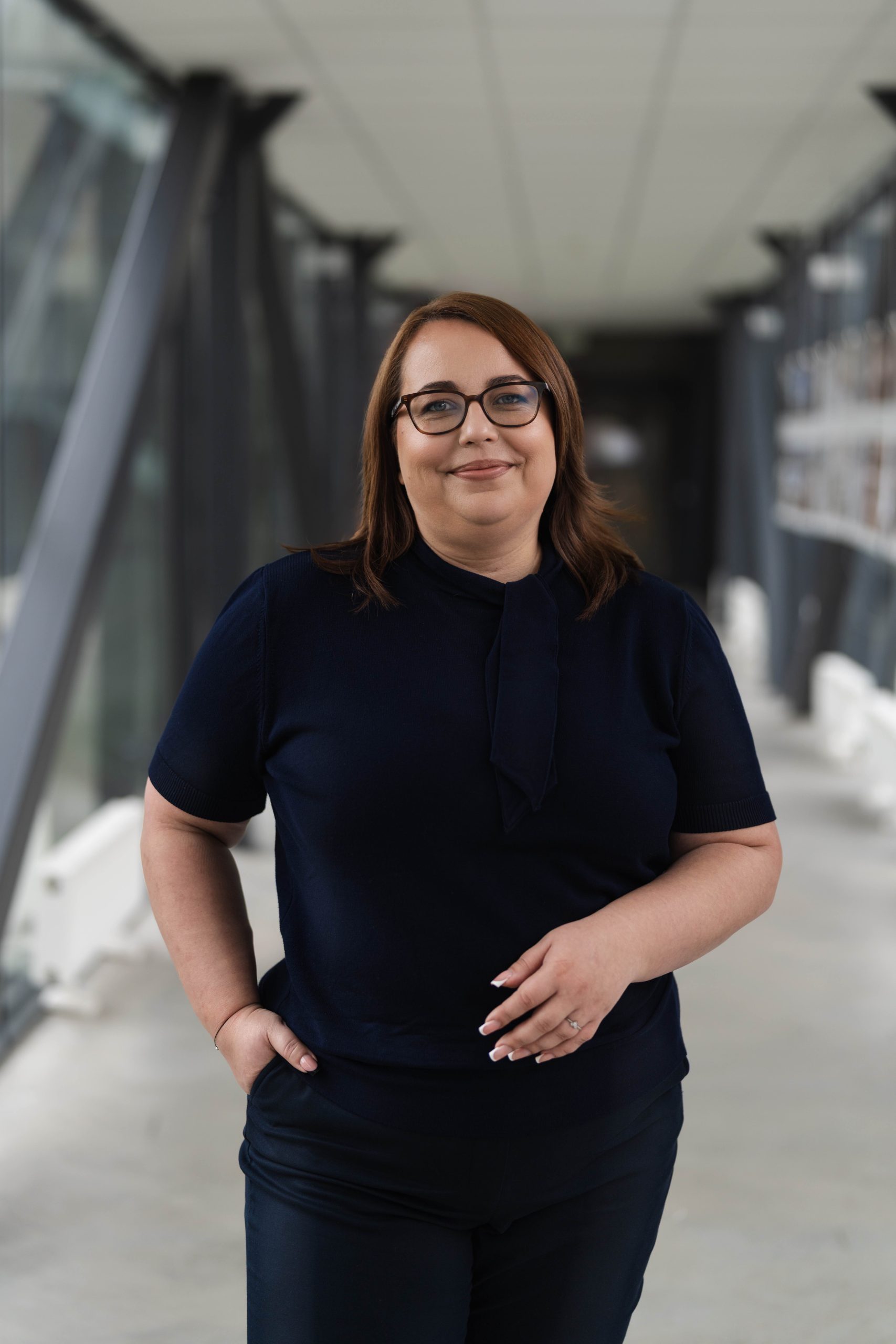
‘The platform allows users to explore the learning areas on offer, while collaboration with the institution’s specialists opens up opportunities to identify training solutions tailored to the specific needs of individual organisations. In this way, academic knowledge and practical expertise can be applied to addressing real-world labour market challenges,’ she says.
According to K. Juodeikienė, higher education is increasingly seen as a lifelong partner in people’s professional and personal journeys. The Lifelong Learning platform at Kauno kolegija contributes to this shift by making the knowledge and expertise accumulated by the institution accessible to a wider section of society.
‘The lifelong learning platform is much more than an online training catalogue. It is a space that connects people’s desire to grow with opportunities to turn that ambition into concrete action. Most importantly, its message is simple: it is never too late to learn, and new knowledge and competences can become the key to professional discoveries, greater confidence in one’s abilities and exciting new opportunities for the future,’ K. Juodeikienė concludes.