

From nostalgic flavours to unexpected combinations: what lies ahead for the food industry
Innovation in the food industry today goes far beyond new flavours and unexpected ingredient combinations. Product functionality, nutritional value, convenience and sustainability are becoming increasingly important.
Representatives of Pieno žvaigždės, Vikonda Group and Kauno kolegija share their insights into the trends shaping the food market and where the greatest potential for innovation lies.
Food innovation is about more than new flavours
Edita Stasytienė, Chief Technologist at Kauno pienas, a subsidiary of Pieno žvaigždės, one of the largest dairy processors in the Baltic States, points out that innovation in food and beverages is not limited to taste. It also encompasses the consumer experience, technology and product presentation. Packaging is one of the factors that shapes the consumer experience.
‘It is not just the taste, nutritional value and texture of a product that matter, but also the convenience of its packaging. It is important to select the right packaging for each product category, as well as the appropriate product and portion sizes. Packaging should also be easy to open and allow any unused product to be protected from drying out and absorbing odours from the fridge,’ says E. Stasytienė.
Discussing current market trends, the Chief Technologist at Kauno pienas notes the rapidly growing popularity of products with increased protein content, specific functional ingredients, exotic, sour and smoky seasonings, as well as various types of fibre.
‘Consumers are interested in products that not only deliver distinctive flavours but also contribute to better health. While probiotics and prebiotics used to dominate the conversation, postbiotics are now emerging as market leaders,’ says E. Stasytienė.
The Kauno pienas representative also recalls some of the most unusual food flavours she has helped bring to market. One example is Libela, a milk-and-juice drink combining orange and carrot or orange and tomato flavours, which was produced between 1995 and 2001.
‘Other unusual products included a chocolate-coated curd snack with carrots and, in 2016, yoghurt with figs. At the time, we did not expect figs to become such a popular flavour. Today, however, they can be found in a wide range of dairy products,’ E. Stasytienė recalls.
Today, she sees the greatest scope for innovation in food products designed for older people. According to her, this includes food that is easy to chew while retaining a natural texture, and is enriched with protein, calcium and vitamin D.
‘Children’s nutrition is another area worth exploring. It is particularly important to strike a balance between appealing flavours and health benefits. With childhood obesity rates rising, it is essential to help reduce added sugar consumption without compromising the taste of products,’ E. Stasytienė adds.
She emphasises that the company aims to introduce innovations that bring tangible benefits to consumers through its production processes:
‘We invite young food technologists, laboratory technicians, automation specialists and equipment setup technicians to contribute to the development of new products and the implementation of ideas across our four production facilities in Mažeikiai, Panevėžys, Pasvalys and Kaunas. Following their placements, we offer them the opportunity to join our team, help create products that meet the highest quality standards and build successful careers with us.’
Success depends on more than taste: functionality and convenience matter too
According to Inga Austynaitė-Rimkė, Marketing and Communications Director at Vikonda Group, which brings together 17 growing businesses, novelty alone is no longer enough.
‘Constant innovation helps maintain consumer interest, but every new product has to compete with an ever-growing number of offerings on the market.’ She also emphasises that a new product is about much more than a new recipe.
‘We experiment with flavours, combine different product categories and collaborate with other well-known brands. This year, for example, we launched Icetopia and Ali šokoladinė ice creams, flavours inspired by desserts from around the world, and even unexpected combinations such as pickled cucumbers with honey and harissa paste. Sometimes, a distinctive identity can also be created through a name that reflects a traditional recipe. In NielsenIQ’s 2025 study, Legendiniai pickled cucumbers ranked third among Lithuania’s food product launches,’ says I. Austynaitė-Rimkė.
The Vikonda Group representative explains that one of the main priorities in recent years has been healthier food with greater nutritional value and functional benefits. At the same time, she notes, convenience is essential: products should fit easily into everyday diets and help consumers maintain a balanced diet.
‘Consumers are also becoming more adventurous in choosing flavours inspired by cuisines from different countries, as well as more exotic seasonings in sauces and pickled products. Demand for healthier, more nutritious snacks is growing too,’ says I. Austynaitė-Rimkė.
She reveals that the group has introduced a number of unexpected flavour combinations to consumers. One of its bolder experiments over the past decade was a range of black ice cream made with cuttlefish ink, developed by Vikeda for the Asian market. The products were successfully sold in the region for a period of time.

‘Among our successful launches are Icetopia kefir-flavoured ice cream and Kėdainių konservai pickled cucumbers with honey and mustard. We believe consumers will also respond positively to our latest products and flavours, including cucumbers with spicy harissa paste,’ says I. Austynaitė-Rimkė.
In her view, successful innovation today depends not only on taste but also on convenience and clear product information for consumers.
‘Packaging itself is becoming increasingly important, particularly its recyclability and how easy it is to sort for recycling. The growing popularity of ready-to-eat products also shows that consumers value solutions that save time and make everyday life easier,’ she explains.
According to the Vikonda Group representative, the greatest untapped potential currently lies in functional foods and everyday products with higher nutritional value.
‘This is also the direction we are pursuing. Later this year, we will introduce functional pickled vegetables, soups, stews and salads to the market. Early next year, we are planning to launch a new range of functional snacks in convenient spouted pouches,’ says I. Austynaitė-Rimkė, introducing the upcoming innovations.
‘These will include products designed to support energy levels and satiety, as well as healthy digestion. The range will also feature fruit purée snacks enriched with protein, electrolytes and vitamins, with no added sugar.
‘There is also considerable potential for innovation in the ice cream category. We already offer Dadu mini ice creams with curd cheese, but we see further opportunities to explore this ingredient. Curd cheese can contribute not only to flavour and texture but also serve as a natural source of protein, offering a fresh perspective on a traditional dessert.’
The future of food: bold experiments, traditional flavours and greater nutritional value
Assoc. Prof. Dr Ingrida Kraujutienė, Head of the Department of Food and Agricultural Technologies at Kauno kolegija, notes that today’s consumers are simultaneously seeking increasingly adventurous flavours and returning to familiar, nostalgic combinations.
‘On the one hand, consumers are becoming more curious and eager to try bolder, unexpected flavour combinations, exotic ingredients and new textures. This trend is particularly pronounced among younger generations,’ says Dr I. Kraujutienė.
On the other hand, she observes a growing desire to return to familiar, nostalgic flavours that evoke positive emotions and bring back childhood memories. According to the Associate Professor, this is closely linked to foods rooted in ethnic heritage, traditional ingredients, old recipes and regional flavours, which are now being reimagined in contemporary ways.
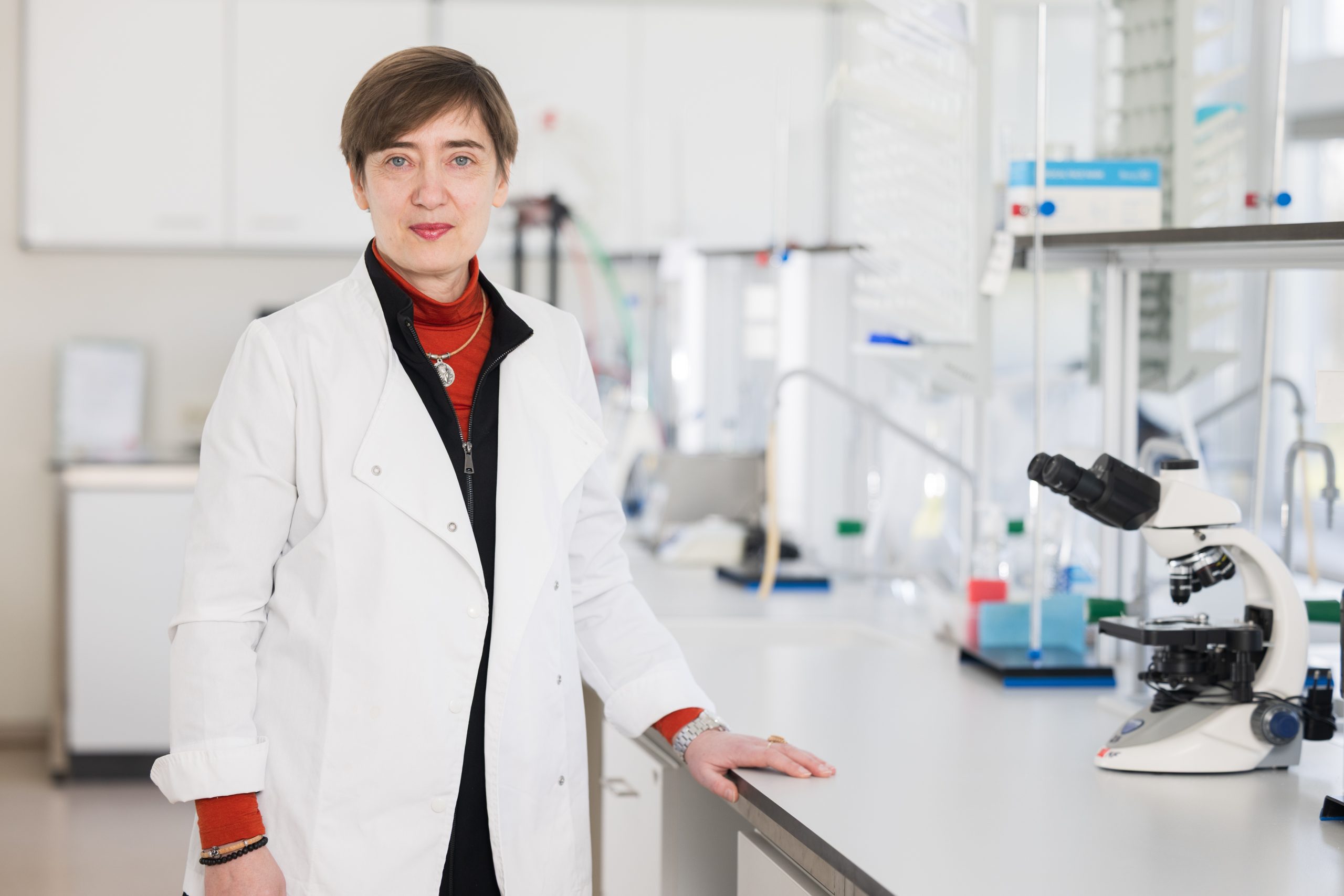
Discussing innovation, the Associate Professor says she sees the greatest opportunities where consumer needs, new technologies and locally sourced raw materials can be brought together. In her view, there is considerable potential in developing more functional products, making greater use of plant-based raw materials and creating new products from traditional Lithuanian ingredients.
‘Another promising direction is the use of food industry by-products to reduce food waste and create products with greater added value,’ says Dr I. Kraujutienė.
In her opinion, over the coming years consumers will seek a balance between innovation, health-conscious choices and familiar flavours. Products that combine traditional tastes with modern ingredients or unexpected flavour combinations are likely to become increasingly popular.
‘There will also be growing interest in plant-based, functional products designed for convenient consumption,’ she adds.
The Kauno kolegija Associate Professor notes that various new protein-rich products, plant-based alternatives, fermented foods and products enriched with fibre or other valuable nutrients could become part of everyday diets.
‘However, taste will remain essential. Consumers want not only healthier or more functional products but also food that they genuinely enjoy eating. The success of future products will therefore depend on the ability to combine health benefits, convenience and great taste,’ concludes Dr I. Kraujutienė.
The Practice and Career Day held at Kauno kolegija on 15 October brought together more than 50 organisations. During the event, students had the opportunity not only to explore internship and job opportunities but also to hear directly from employers about organisational culture, employee expectations and opportunities for professional development.