International conference in Kaunas focuses on skin health, research and innovation
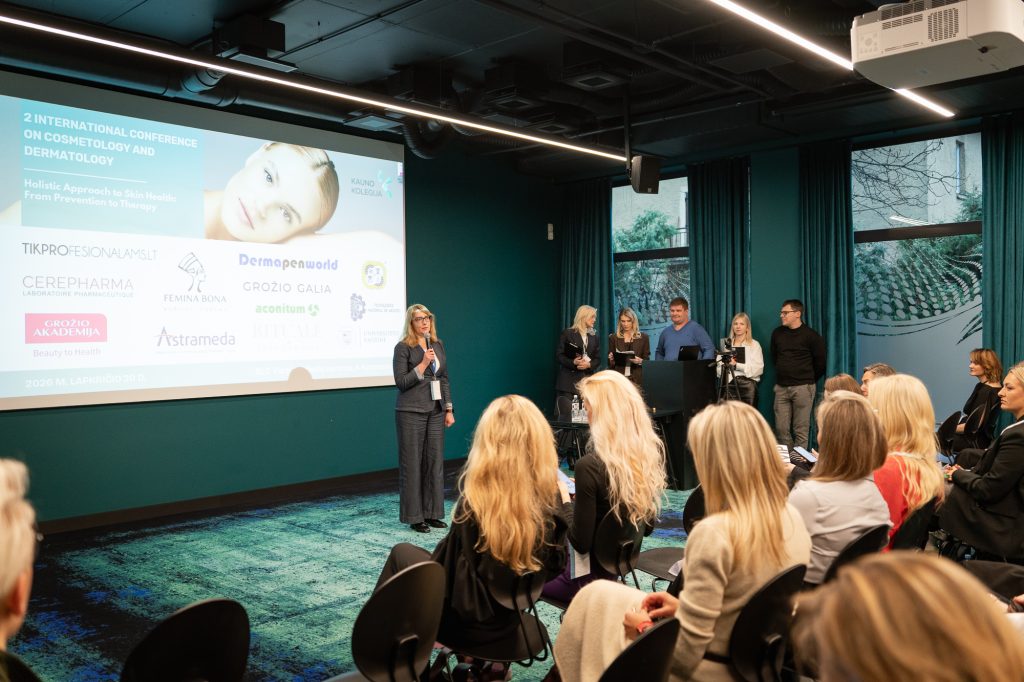
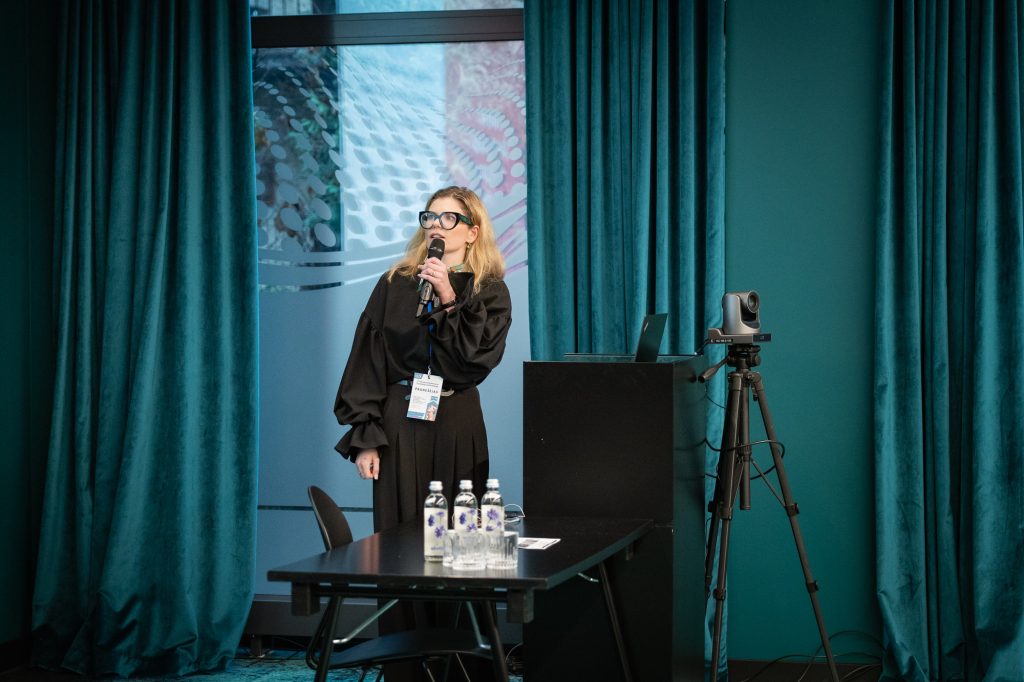
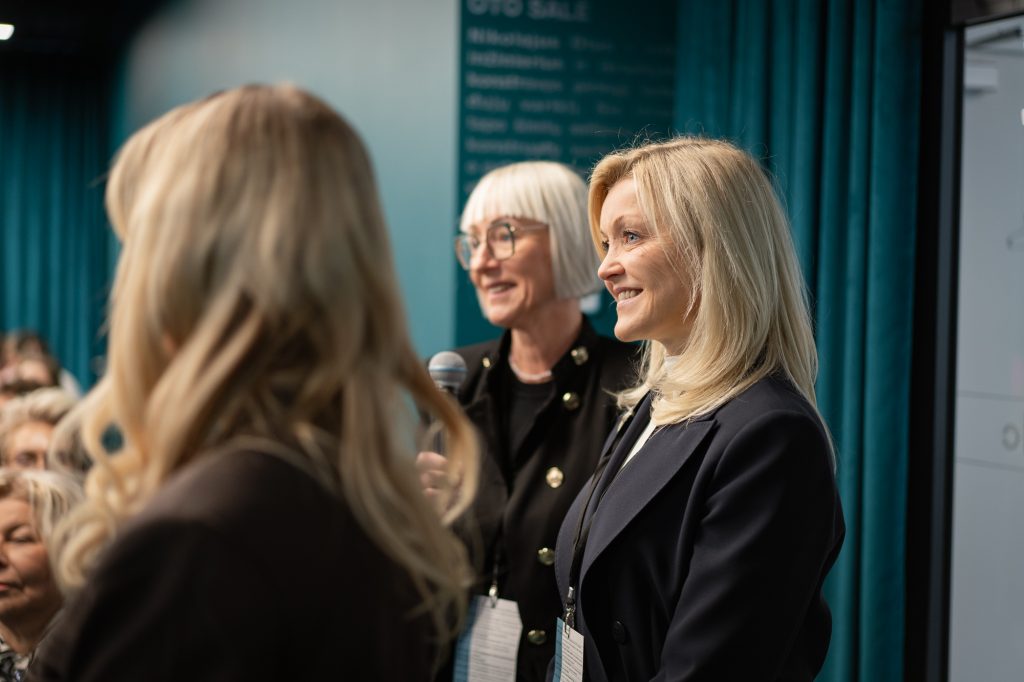
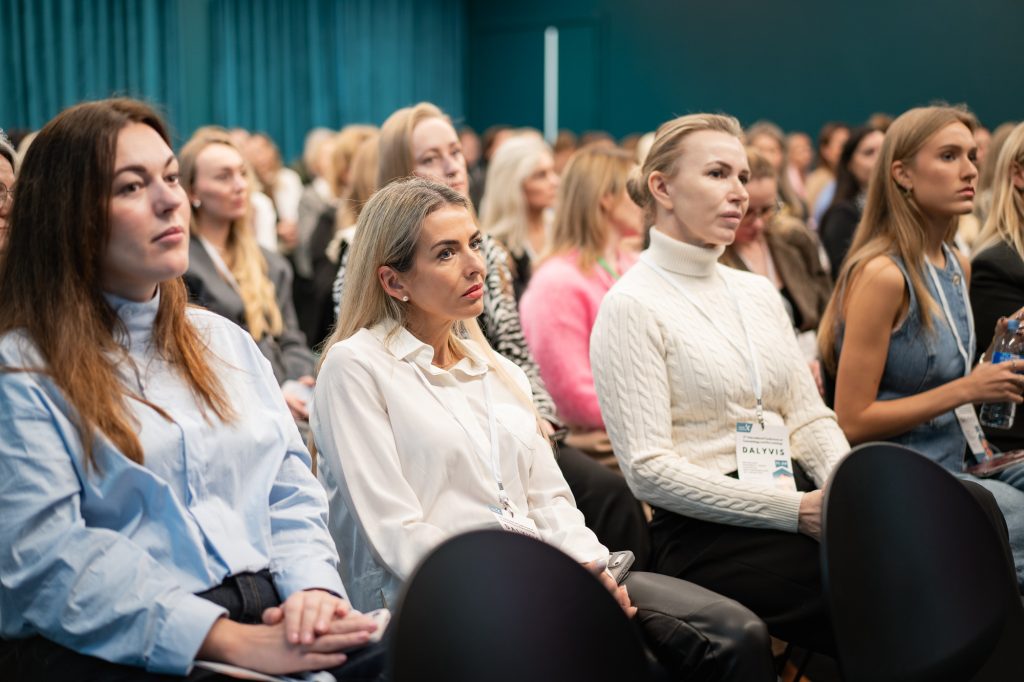
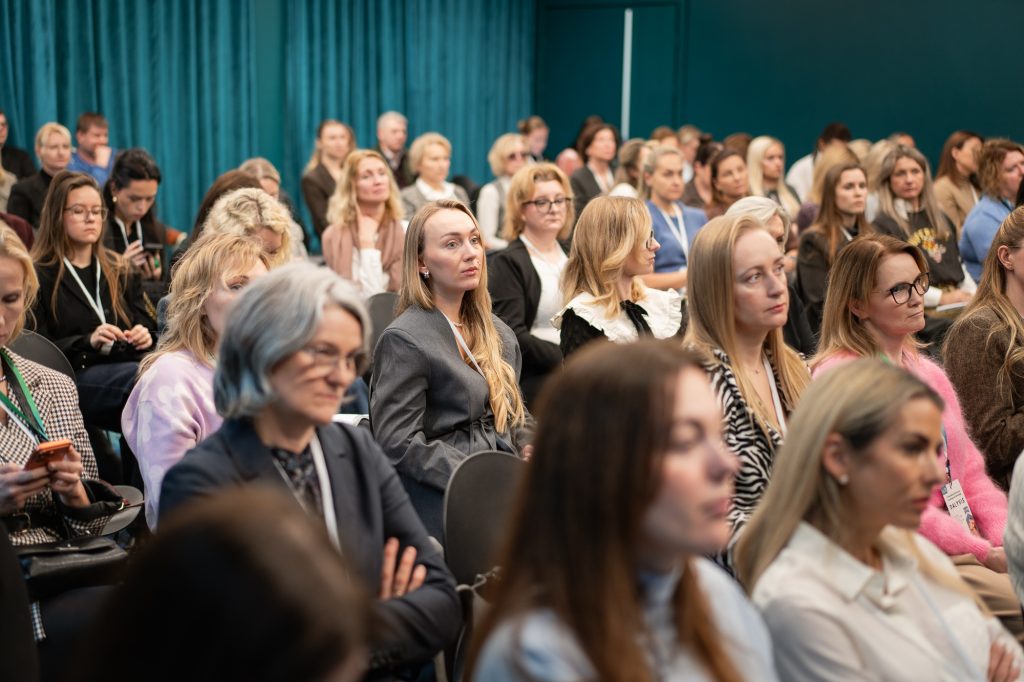
On 20 November, the international conference ‘A holistic approach to skin health: from prevention to therapy’ took place in Kaunas. Organised by Kauno kolegija, the event brought together specialists in cosmetology, dermatology and other fields to share the latest scientific knowledge and practical experience, and to discuss modern approaches to skin health and care.
Collaboration between specialists from different fields is key to comprehensive skin care
Žaneta Mickienė, the initiator of the conference and Head of the Health Technology, Nutrition and Cosmetology Centre at the Faculty of Health Sciences of Kauno kolegija, explains that the idea for the event emerged several years ago, when Prof. Dr Bernard Cambier visited the Cosmetology study programme.
‘He is a researcher who successfully combines academic work with extensive practical experience. During one of his visits, we came up with the idea of bringing cosmetologists and dermatologists together for a joint conference where new technologies could be presented, experiences shared and evidence-based advances in aesthetic medicine discussed,’ explains Ž. Mickienė.
She notes that these specialists were brought together for a reason: cosmetologists and dermatologists often complement each other’s work when addressing skin-related concerns. According to Ž. Mickienė, teamwork and collaboration between these professionals, while respecting the boundaries of their respective competences, are therefore essential to ensuring the quality of the services they provide.
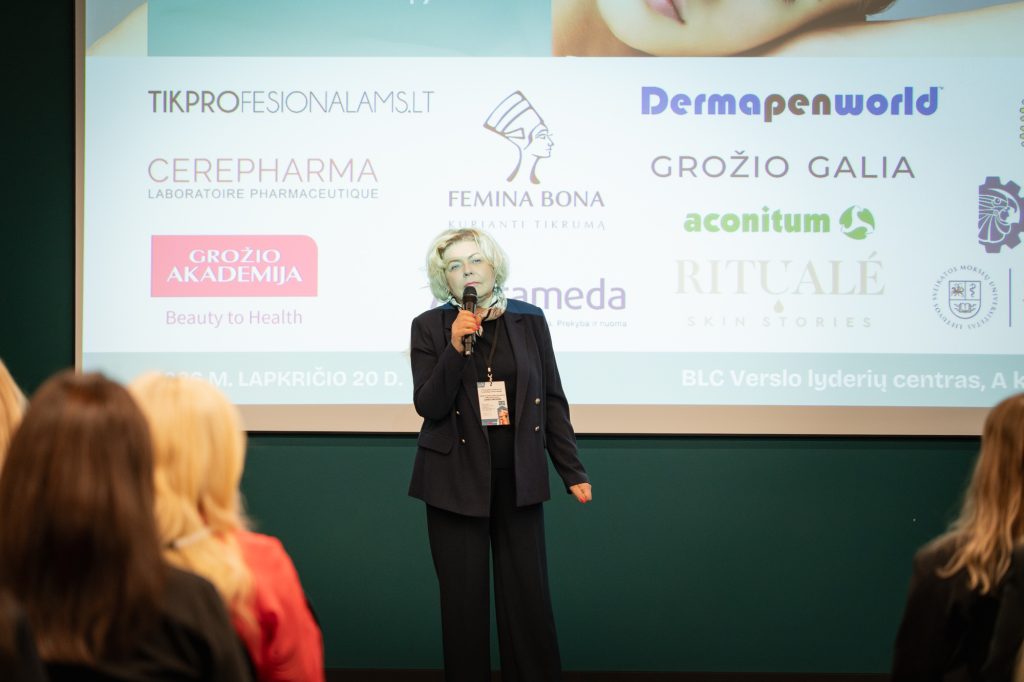
Discussing the conference theme, the Kauno kolegija representative emphasises that a holistic approach is more than just a fashionable term. It encourages professionals to consider the person as a whole and to prioritise healthy skin rather than focusing solely on appearance.
‘Our skin is not simply part of how we look – its condition is closely linked to our overall health. It is influenced by hormones, the immune system, diet, sleep, stress and lifestyle. That is why it is important today to look beyond cosmetic treatments and external skin care, and understand the underlying causes of changes in the skin,’ Ž. Mickienė emphasises.
She adds that the conference gives participants an opportunity to learn about the latest scientific findings, technologies and their practical applications. According to the Head of the Health Technology, Nutrition and Cosmetology Centre, it is important for specialists not only to keep up with new developments but also to be able to evaluate them critically.
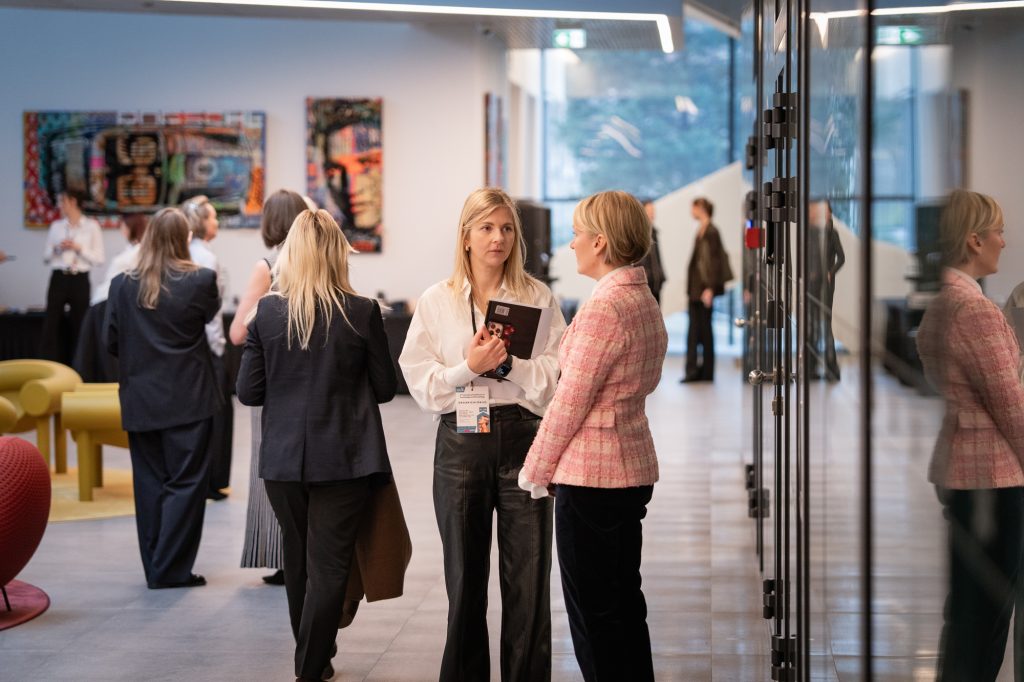
‘Bringing together professionals from different fields is equally valuable, as it allows them to exchange experiences, establish new professional connections and gain a better understanding of each other’s areas of expertise,’ says Ž. Mickienė.
She believes the conference stands out for its interdisciplinary approach, its combination of research and practice, and its strong academic foundations.
‘We want to present not only the latest technologies but also the scientific evidence supporting them, their safety and their practical benefits. Our aim is for the conference to become a platform for meaningful discussions and new professional ideas.’
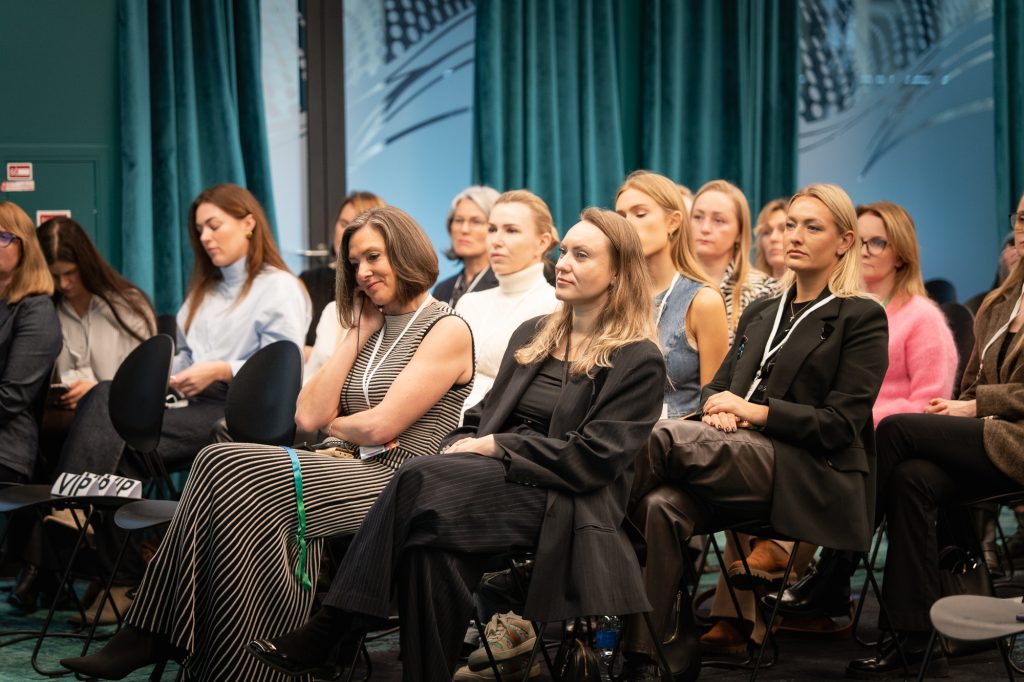
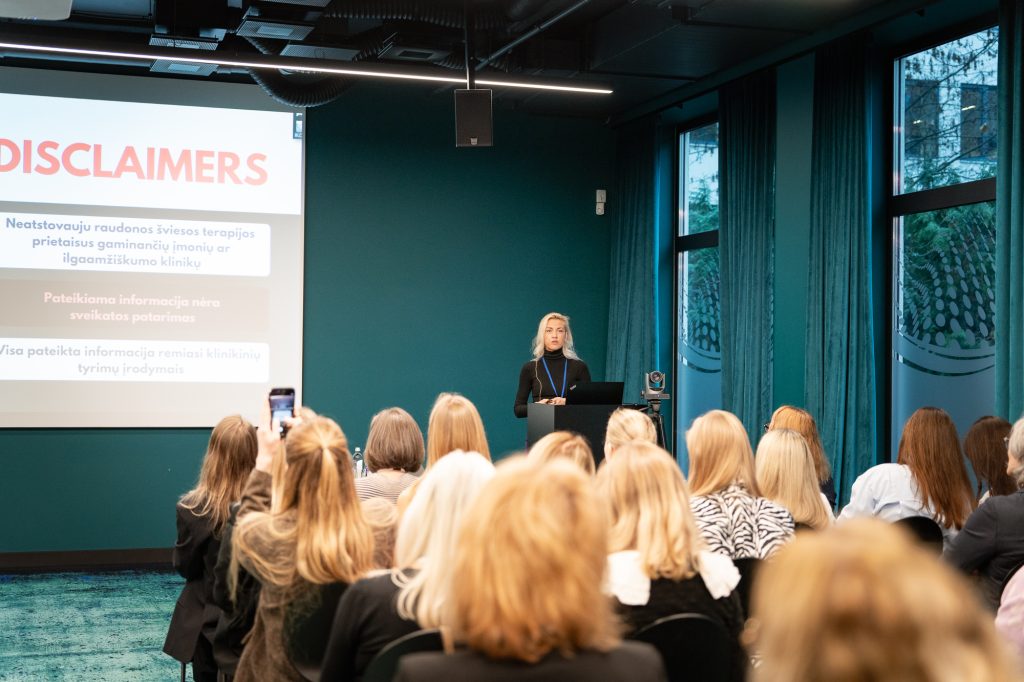
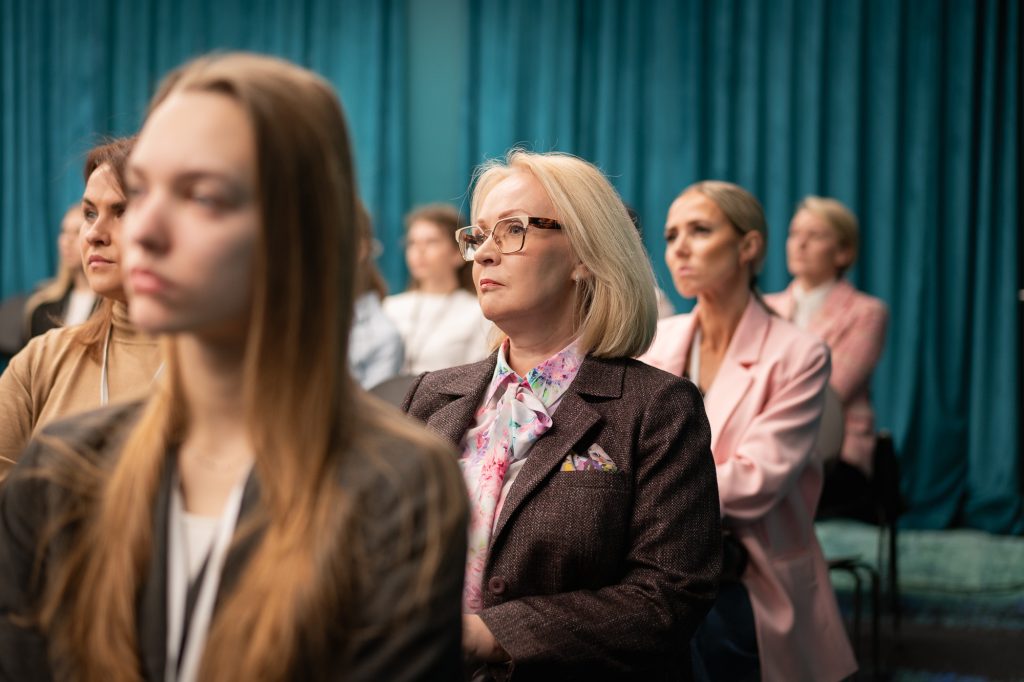
The Head of the Health Technology, Nutrition and Cosmetology Centre also reveals that the conference has expanded its international reach this year. Following a visit by representatives of the Kauno kolegija administration and researchers to higher education institutions in Mexico, new international partnerships were established and are already delivering tangible results.
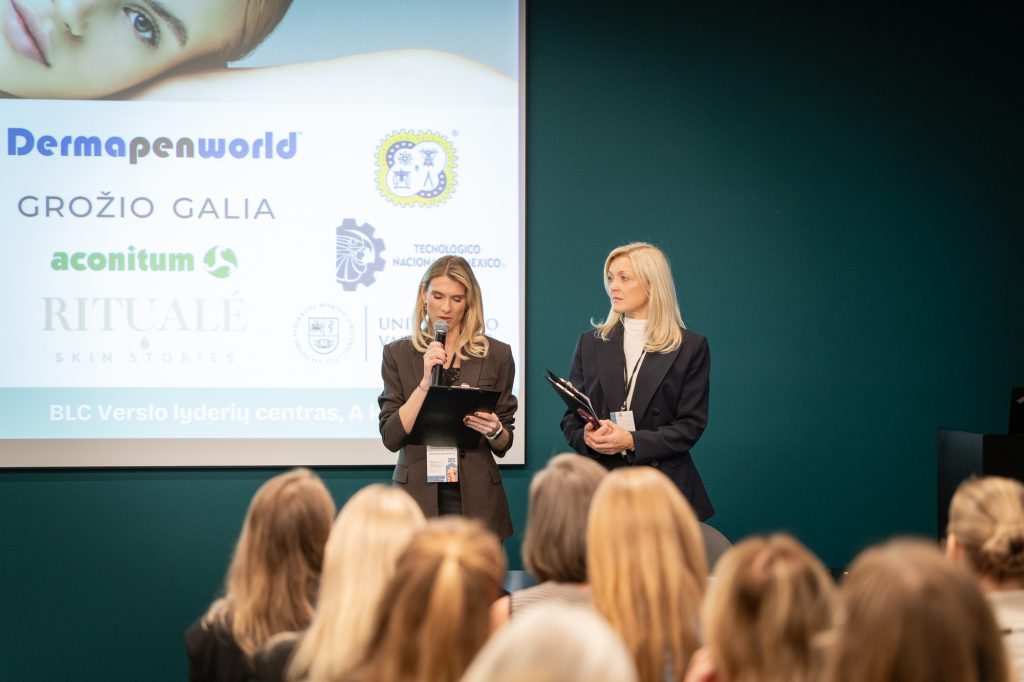
‘This year, two researchers from Mexico – representing the University of Veracruz and the Technological Institute of Orizaba – delivered presentations at the conference. They shared the latest scientific insights into the role of bioactive compounds in human health, the potential of nutricosmetics and the use of innovative ingredients in cosmetic products,’ explains Ž. Mickienė.
She emphasises that the participation of researchers from Mexico not only enriches the scientific programme but also strengthens international academic collaboration and opens up new opportunities for joint research.
Looking ahead, the Kauno kolegija representative hopes the conference will develop into an important professional platform that encourages closer collaboration between specialists working in different areas of health and beauty.
‘Our aim is to bring together not only dermatologists and cosmetologists but also nutritionists and other health and wellbeing professionals. We believe that dialogue between specialists from different fields, combined with their complementary expertise, will enable a more comprehensive approach to human health and help translate the knowledge gained into better skin health and overall wellbeing,’ says Ž. Mickienė.
Applied research and international partnerships are key priorities for Kauno kolegija
Dr Lijana Navickienė, Acting Dean of the Faculty of Health Sciences at Kauno kolegija, notes that the conference, now being held for the second time, is establishing an ongoing platform for dialogue between researchers, lecturers, practitioners and businesses.
‘As a higher education institution, it is important to us that the latest scientific knowledge reaches professionals, while questions arising in practice inspire new research and contribute to the development of study programmes,’ says Dr L. Navickienė.
She adds that the conference forms part of the faculty’s ongoing efforts to develop applied research. The work of the ‘Management and Prevention of Ageing Processes’ research group, the recently opened ‘SKINTECH’ laboratory and meetings organised between researchers and businesses are strengthening opportunities to investigate the effects of products and contribute to their improvement.
‘The conference allows us to connect this expertise with the wider needs and ideas of the professional community and to identify partners for joint research,’ says the Kauno kolegija representative.
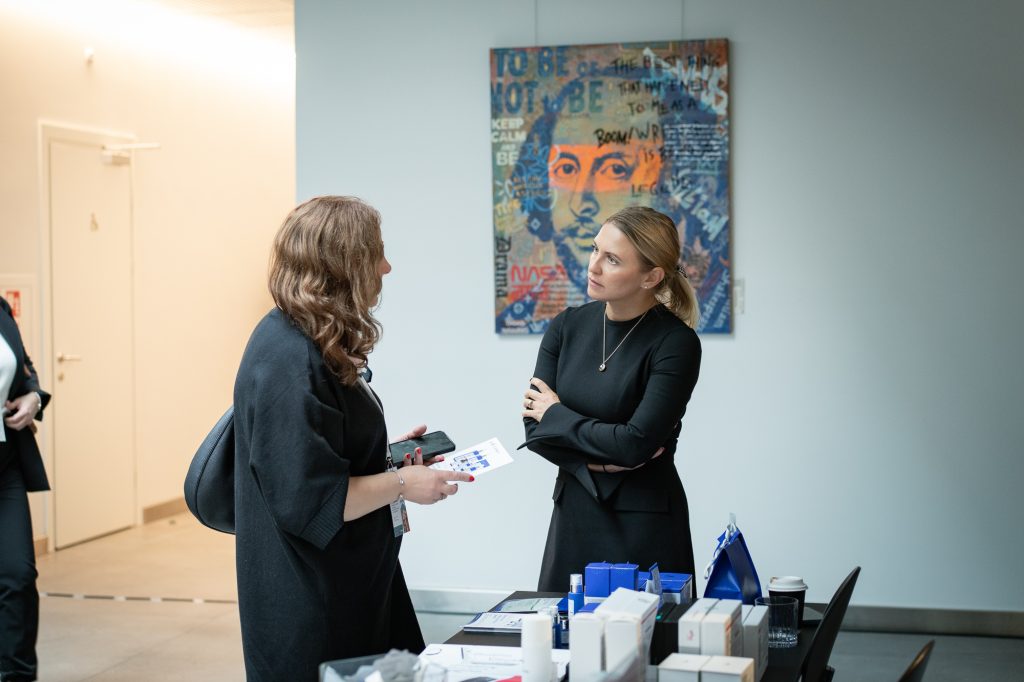
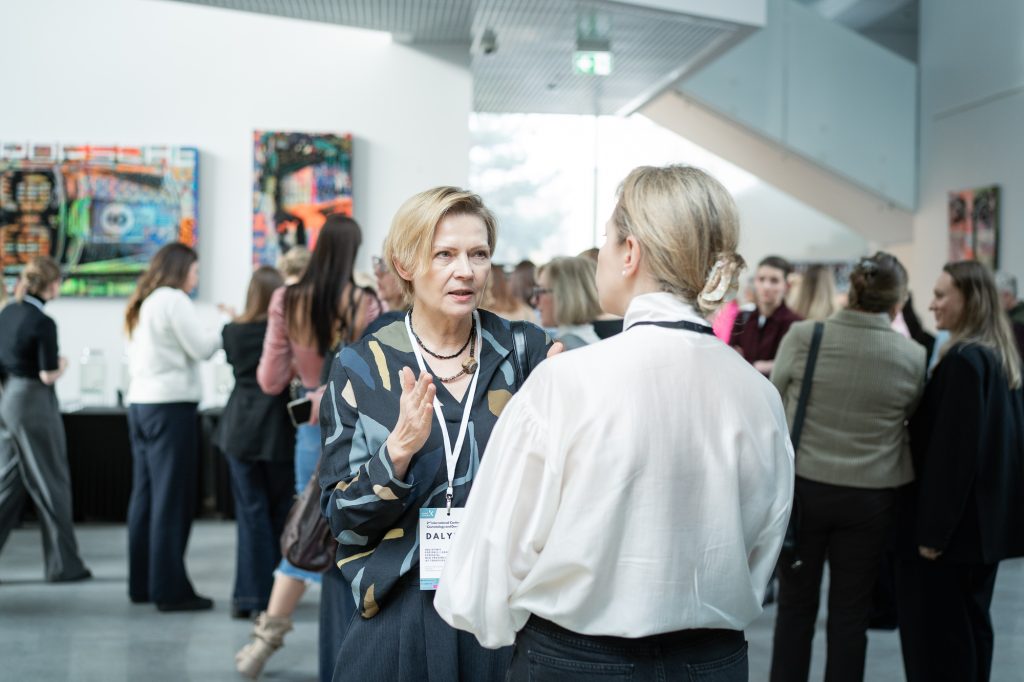
According to Dr L. Navickienė, events of this kind also support Kauno kolegija’s strategic ambition to strengthen the links between education, applied research and societal impact.
‘They encourage interdisciplinary and international collaboration and strengthen trust in the institution. What matters is that the ideas discussed at the conference lead to joint research, new initiatives and better decisions by professionals in their everyday practice,’ says Dr L. Navickienė, Acting Dean of the Faculty of Health Sciences.
She also emphasises that the participation of international partners in this conference and other events broadens professional discussions, providing opportunities to learn about research conducted in other countries and to compare methods and practical approaches.
‘We see international collaboration as a process of creating knowledge together. We have our own research expertise, laboratories and experience of working with businesses, all of which we can contribute to joint initiatives. By combining the strengths of our partners, we can undertake more extensive research, share methodologies, produce joint publications and projects, and expand staff and student exchanges,’ says Dr L. Navickienė.
According to her, such collaboration helps make internationalisation an integral part of everyday teaching and research. As Kauno kolegija works towards becoming a university of applied sciences recognised across Europe, it is important to play an active role in the international academic community by sharing knowledge, developing solutions together and building long-term partnerships.
‘This strengthens the institution’s research capacity and enables us to apply the experience gained to improve the quality of education and professional practice,’ Dr L. Navickienė emphasises.
Scientific progress depends on international collaboration
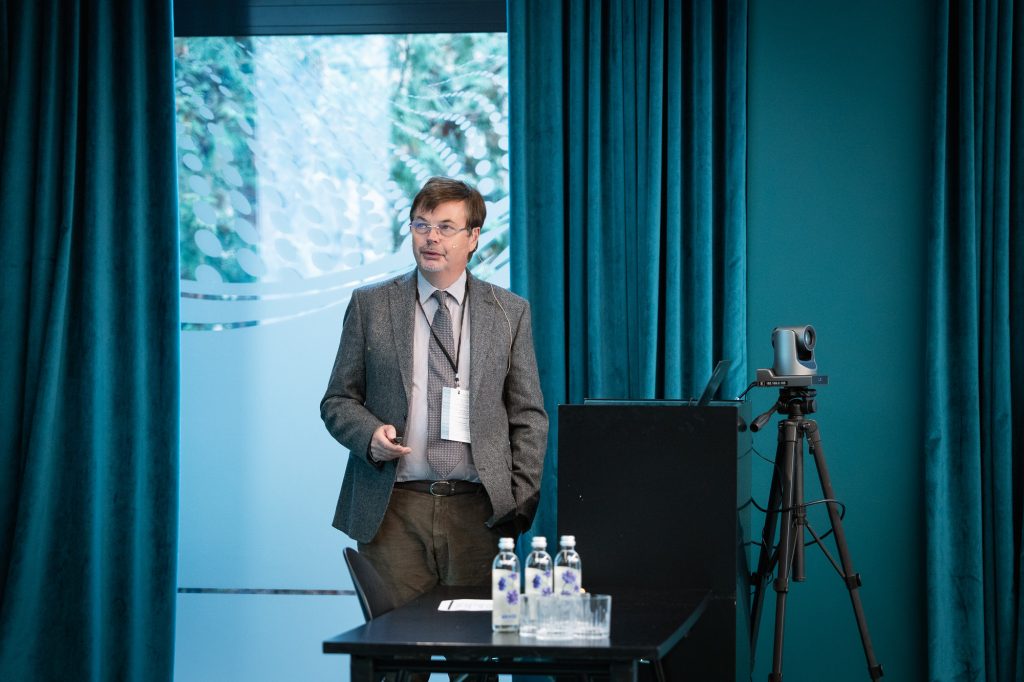
Prof. Dr Bernard Cambier, a plastic surgeon, Head of the ‘Roosevelt’ Medical Centre, cosmetic safety assessor and one of the speakers who helped establish the conference, believes that international collaboration between dermatologists and cosmetologists is essential given the rapid pace of innovation in the field.
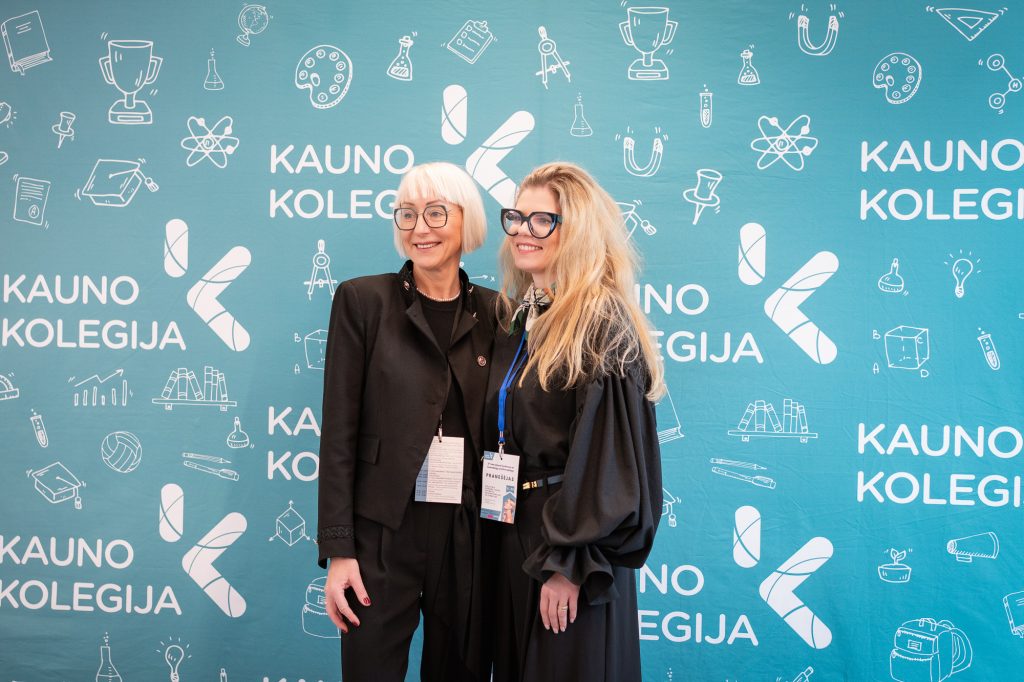
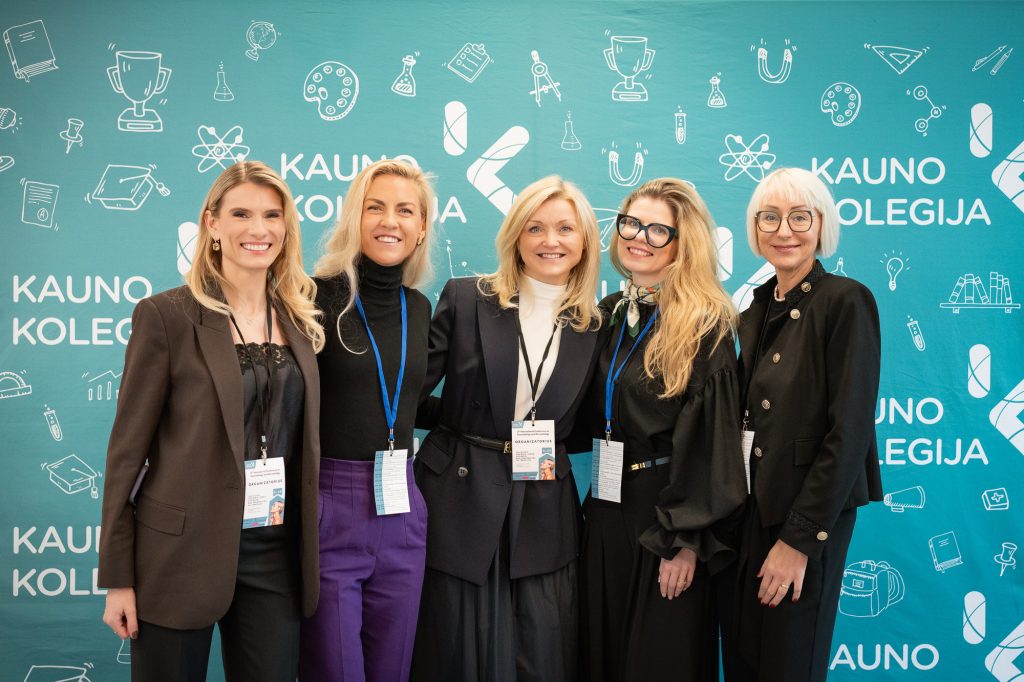
‘Skin science is advancing faster than any single country or profession can keep up with. International collaboration allows us to compare clinical experience, critically evaluate each other’s methods and adopt approaches based on scientific evidence rather than simply following the latest trends,’ says Prof. Dr B. Cambier.
According to him, international collaboration between specialists is also important because patient populations are becoming increasingly diverse.
‘Multicultural families are becoming part of everyday life, which means we are increasingly working with a wide range of skin types and characteristics.’
The professor points out that treatments, chemical peels or products affecting pigmentation that work extremely well for one skin type may cause harm to another.
‘Only by sharing scientific data and practical experience internationally can we develop safe treatment protocols tailored to all skin types.’
Prof. Dr B. Cambier also highlights another benefit of international collaboration: for students, it offers an excellent opportunity to see where the profession is heading and to meet people who are actively shaping its future.
‘This collaboration also helps bridge the gap between laboratory research, medical practice and everyday aesthetic care. Cosmetologists, dermatologists and surgeons are involved at different stages of the patient’s journey, so the best outcomes are achieved when we speak the same professional language and work together on an ongoing basis,’ emphasises Prof. Dr B. Cambier.