Home › Study Programs › Biomedical Diagnostics

Biomedical Diagnostics

The Biomedical Diagnostics study programme is designed for responsible, detail-oriented individuals who are interested in medical laboratory science, human health and modern diagnostic technologies. The programme combines knowledge of microbiology, biochemistry, haematology, immunology, genetics and other biomedical sciences, preparing students to perform laboratory tests, assess the reliability and quality of test results, and contribute to disease prevention, diagnosis and treatment monitoring.

Students develop practical skills in modern laboratories and complete professional internships in healthcare, public health and research institutions. International mobility opportunities also enable students to complete part of their studies or professional internship abroad, helping them prepare for a career as biomedical technologists in clinical diagnostic, microbiology, biochemistry, haematology, genetics, cytology and research laboratories.

Study Program Information

Group of Study Field: Health Sciences
Field of Studies: Medical Technology
Implementation Form: Full-time studies
Duration: 3 years, 6 semesters, 180 ECTS
Qualification Degree: Professional Bachelor of Health Sciences and the professional qualification of Biomedical Technologist
Language: English, Lithuanian
Place of Study: Kaunas
Organize: Faculty of Health Sciences
Annual Price: 3800

Competition Score Structure

Subject Coefficient Type

Subjects Studied

⌛Data coming soon...

1 semester

Credits (ECTS)

About Program

  • Why study Biomedical Diagnostics?
  • Future career

Laboratory science, real-world impact. The Biomedical Diagnostics study programme provides a comprehensive understanding of laboratory medicine and its role in disease prevention, diagnosis and treatment monitoring. Students develop the skills to examine biological and clinical samples, perform laboratory tests, assess the reliability and quality of results, and use modern diagnostic technologies. The programme combines knowledge of microbiology, biochemistry, haematology, immunology, genetics, cytology, histology and other biomedical sciences.

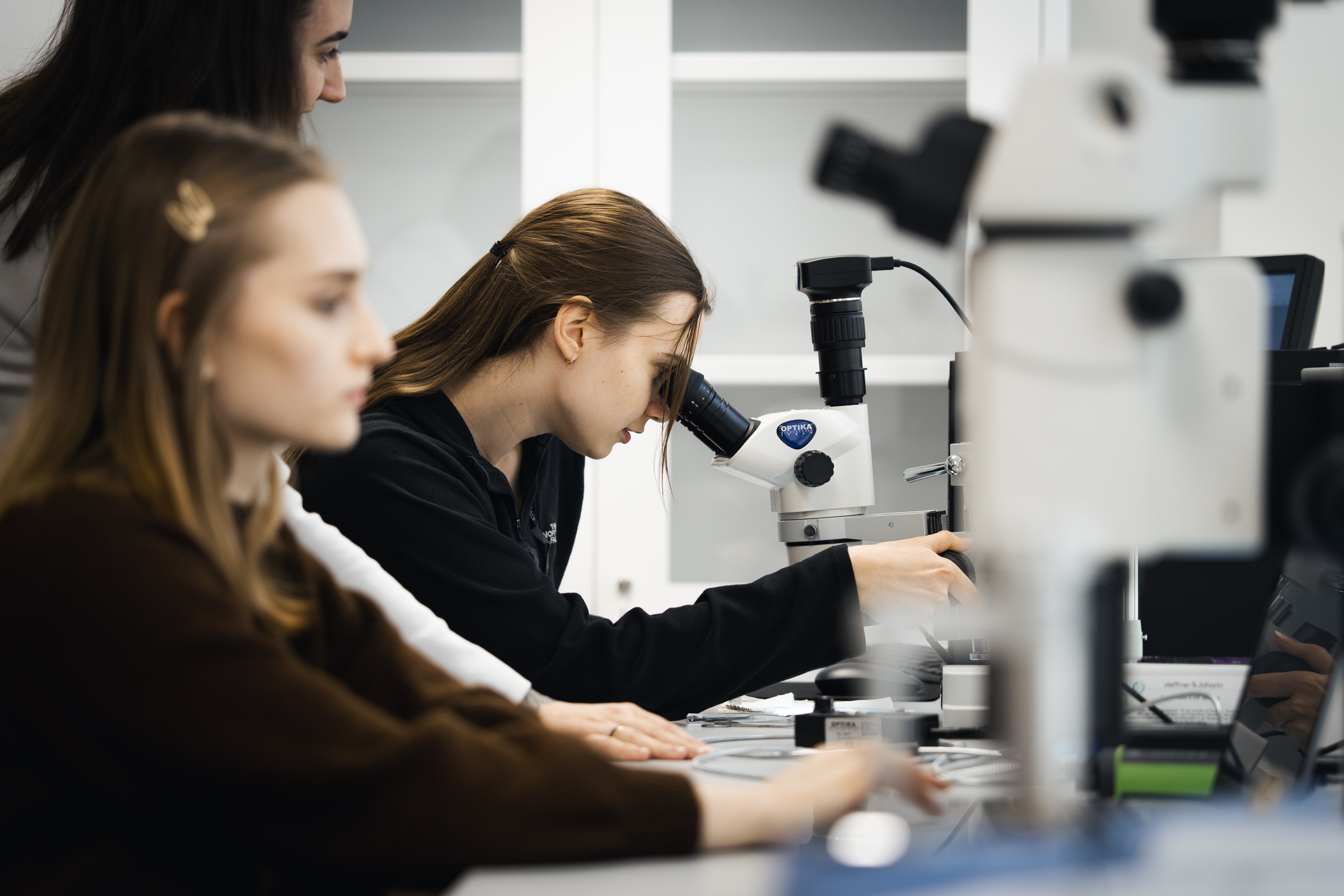
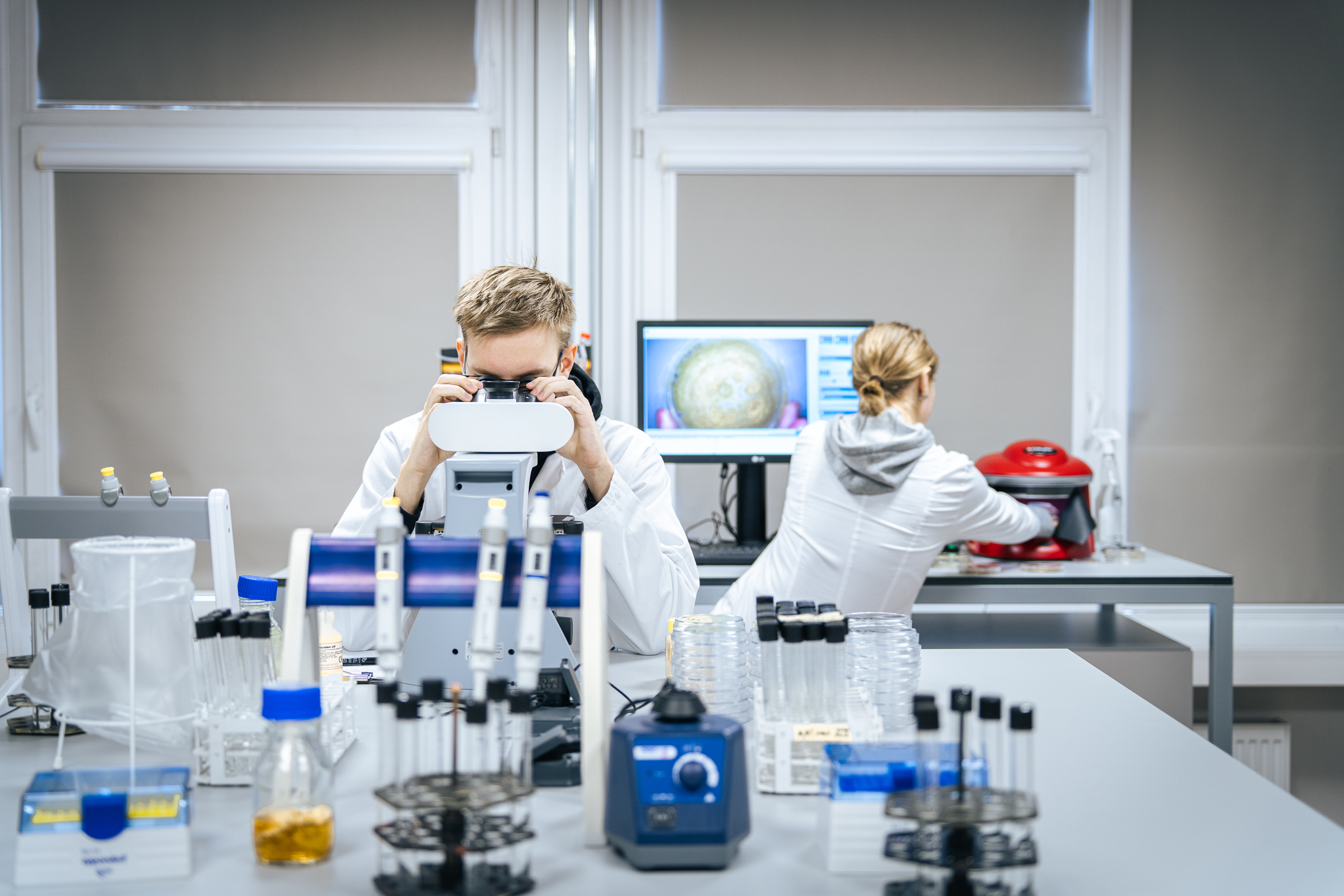
Extensive practical training. Practical training is an integral part of the programme. Students develop their professional skills in modern laboratories and learn to perform microbiological, biochemical, haematological, immunological, cytological and morphological examinations. Professional internships are completed in clinical diagnostic, microbiology, public health and pathological anatomy laboratories, depending on the nature of the internship. Students work under the guidance of experienced laboratory professionals and academic supervisors.

Strong partnerships with healthcare institutions. Students have opportunities to complete their professional internships at leading healthcare and laboratory institutions, including the Hospital of the Lithuanian University of Health Sciences Kauno klinikos, the Hospital of the Lithuanian University of Health Sciences Kaunas Hospital, Meliva, Affidea, Medicina practica and the National Public Health Surveillance Laboratory. Cooperation with professional partners allows students to gain experience in real laboratory environments and become familiar with current professional practices.

International experience. Students are encouraged to gain international experience by completing part of their studies or a professional internship abroad through international mobility programmes. Opportunities are available at higher education institutions and healthcare organisations in countries such as Latvia, Estonia, Norway, Spain and Belgium. International mobility helps students develop their professional, intercultural and foreign-language skills.

Modern diagnostic technologies. During their studies, students learn to use laboratory equipment, apply contemporary testing methods and follow quality assurance, biosafety and infection control requirements. They also develop the ability to process and analyse laboratory data, solve practical problems and adapt to technological developments in biomedical diagnostics.
Section Image

A wide range of career opportunities. Graduates are prepared to work as biomedical technologists in clinical diagnostic, microbiology, biochemistry, haematology, immunology, genetics, cytology, pathological anatomy, forensic medicine, public health, environmental testing and biomedical research laboratories. They may also pursue careers in biotechnology, medical technology and other organisations involved in laboratory testing and biomedical research.

Further study opportunities. After completing the programme, graduates may continue their education in university first-cycle programmes and seek recognition of their previous learning outcomes. After completing supplementary studies or meeting other requirements established by a higher education institution, they may apply for Master’s degree programmes in laboratory medicine biology, medical biology, medical genetics, molecular biology, biotechnology, biochemistry and other related fields in Lithuania or abroad.

Programme quality. Following an evaluation by international experts appointed by the Centre for Quality Assessment in Higher Education (SKVC), the study programme was accredited for the maximum period of seven years.

Section Image

Partners

Higher Education Institution
Privacy Overview

This website uses cookies so that we can provide you with the best user experience possible. Cookie information is stored in your browser and performs functions such as recognising you when you return to our website and helping our team to understand which sections of the website you find most interesting and useful.