Sustainable and intelligent business resilience: turning global threats into growth opportunities
The modern world operates against a backdrop of constant geopolitical and technological disruptions, where business resilience is no longer just about the ambition to survive a crisis. It is the ability to adapt quickly, learn, and transform risks into new growth opportunities. How can we ensure that science and business are prepared for the challenges of the future?
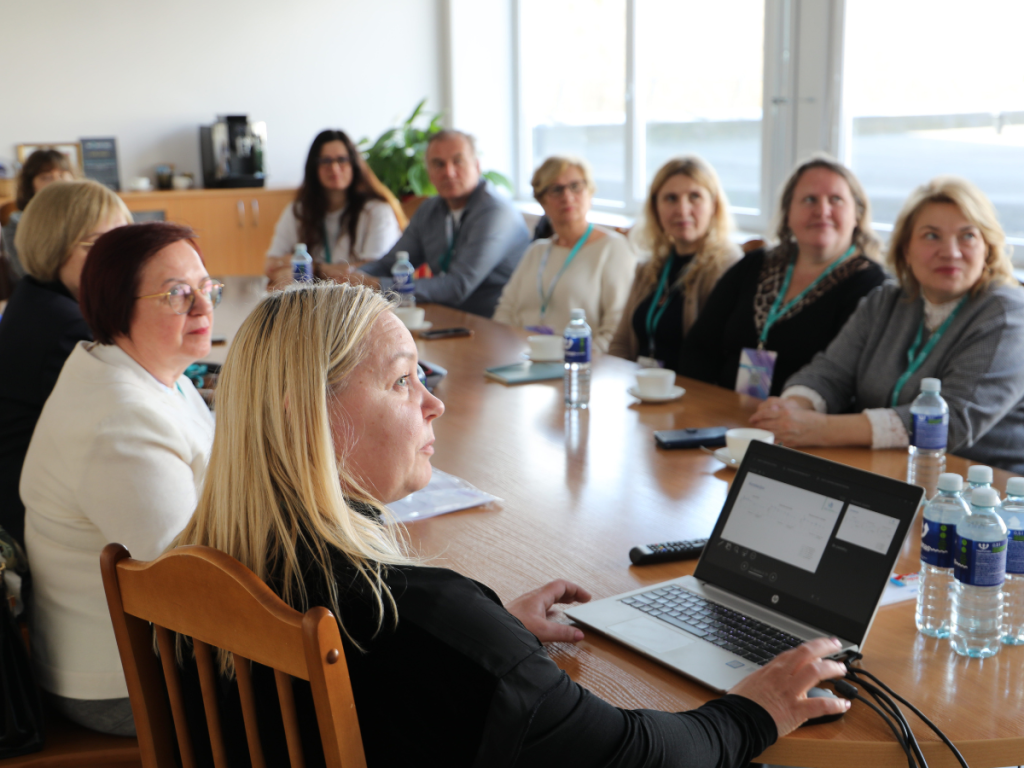
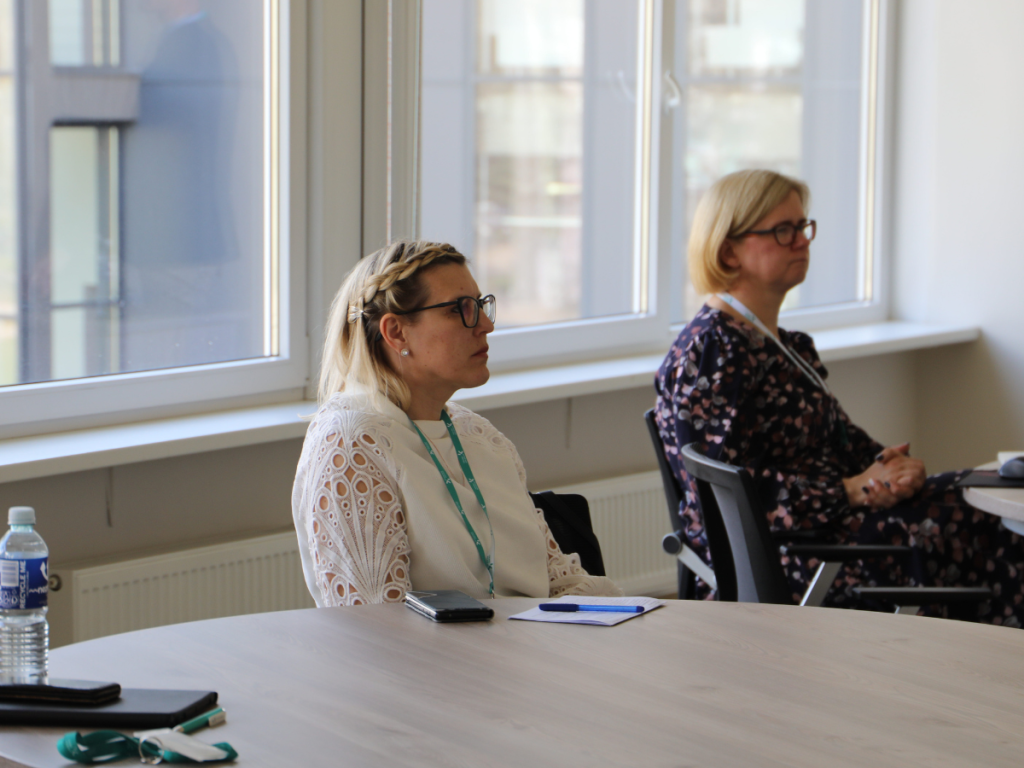
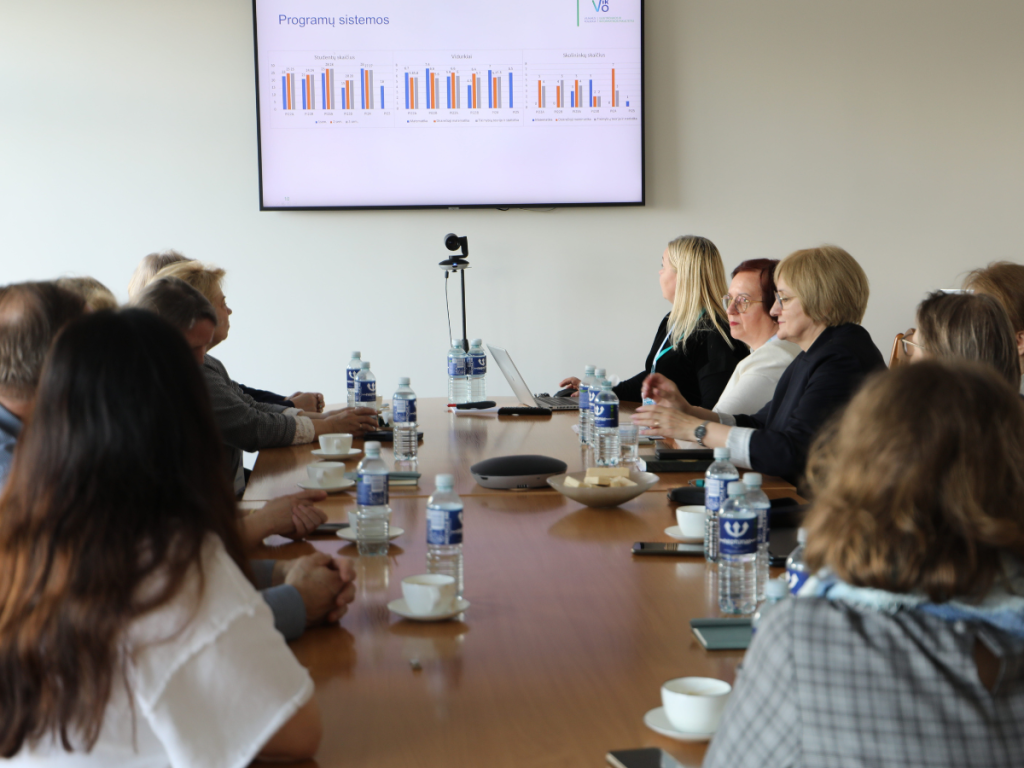
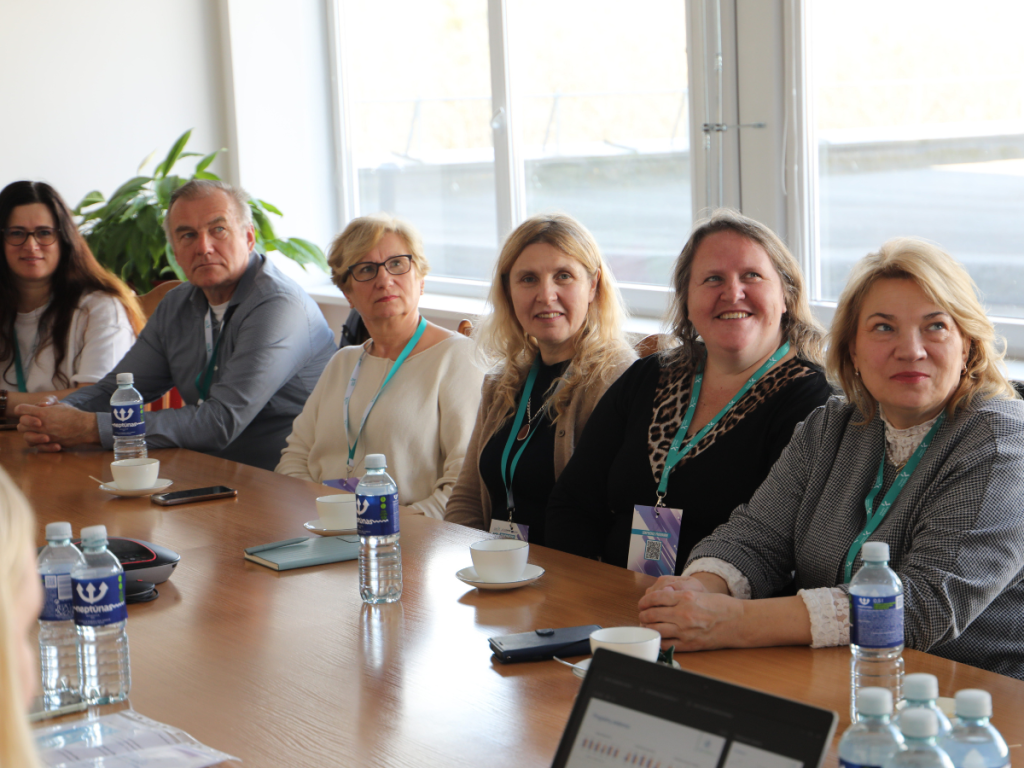
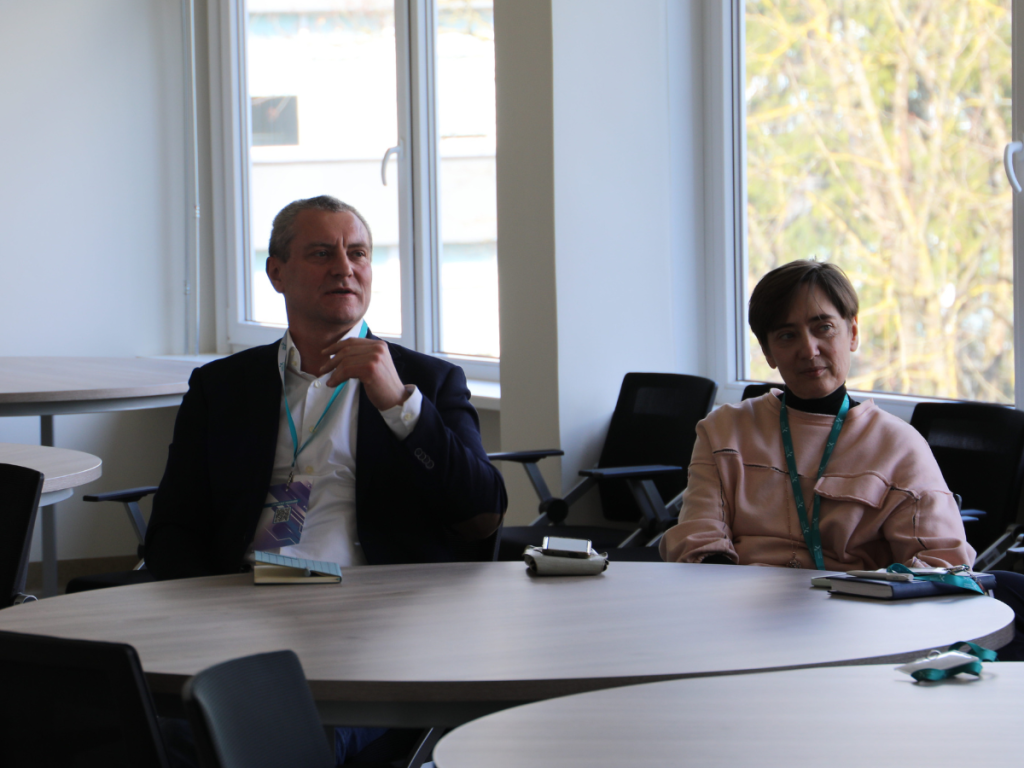
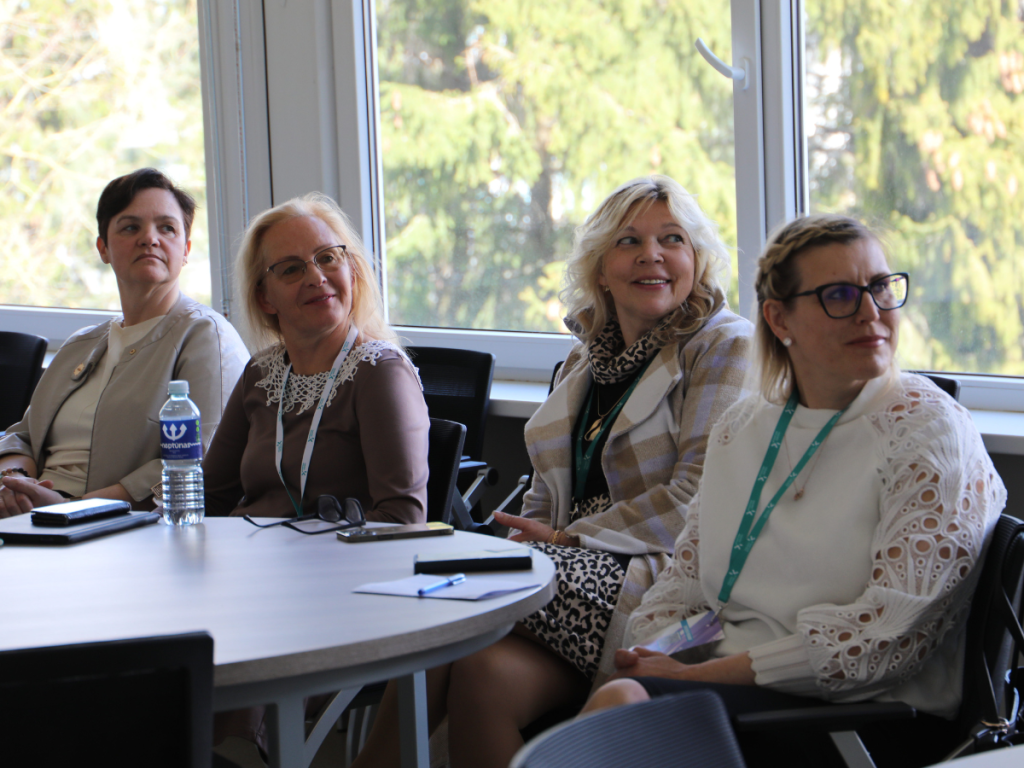
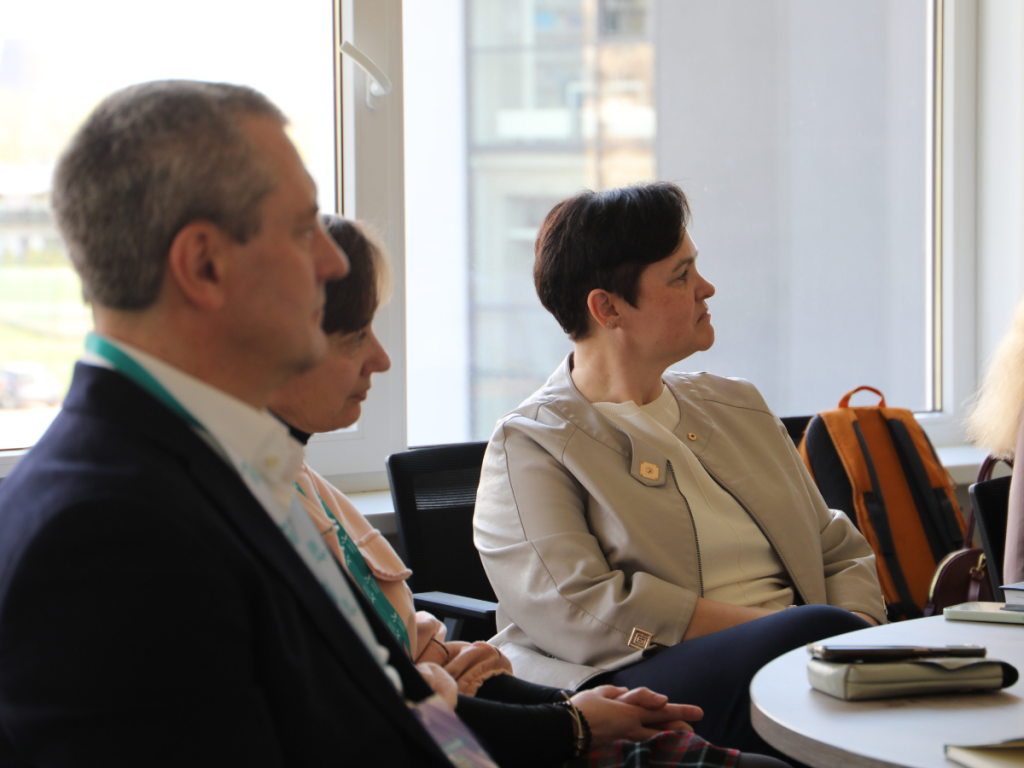
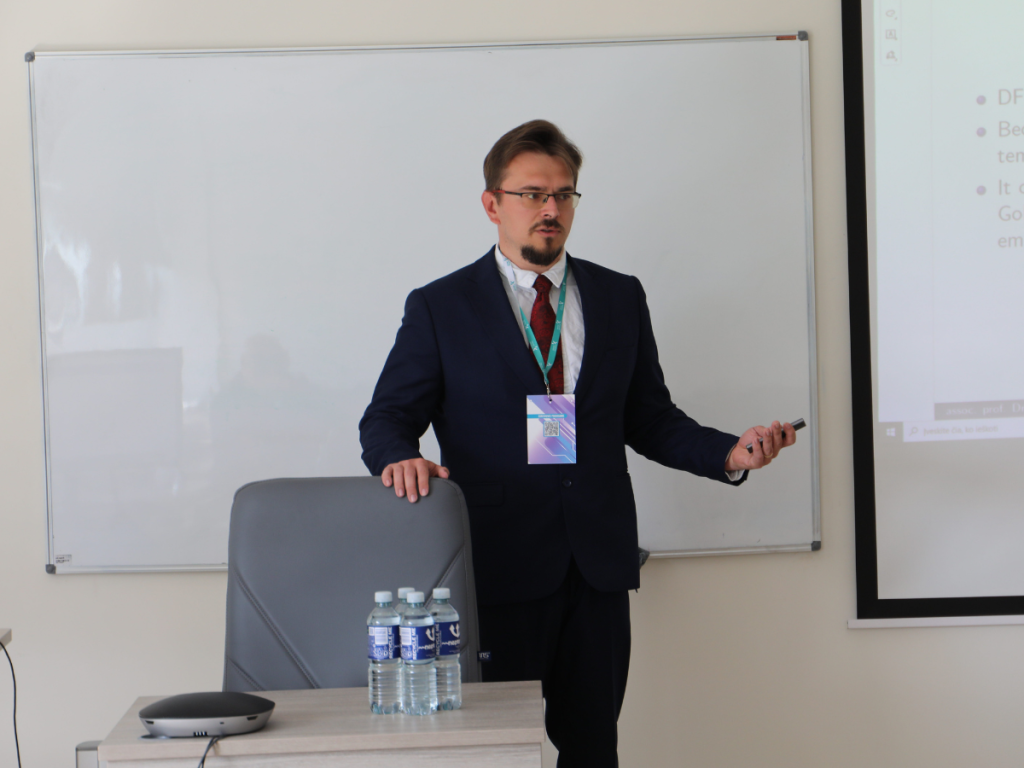
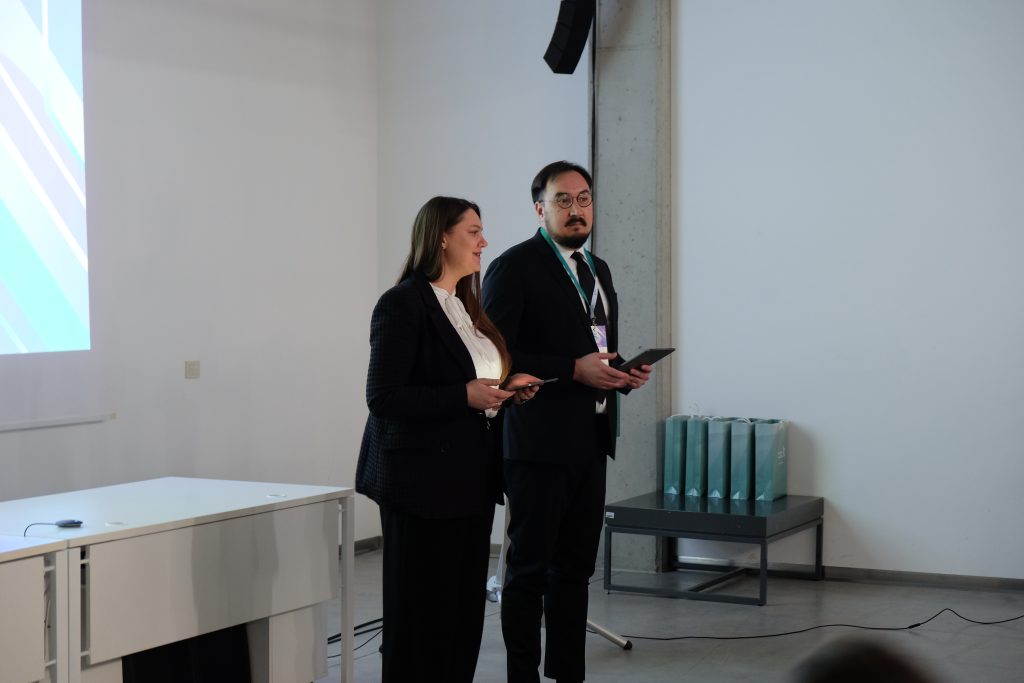
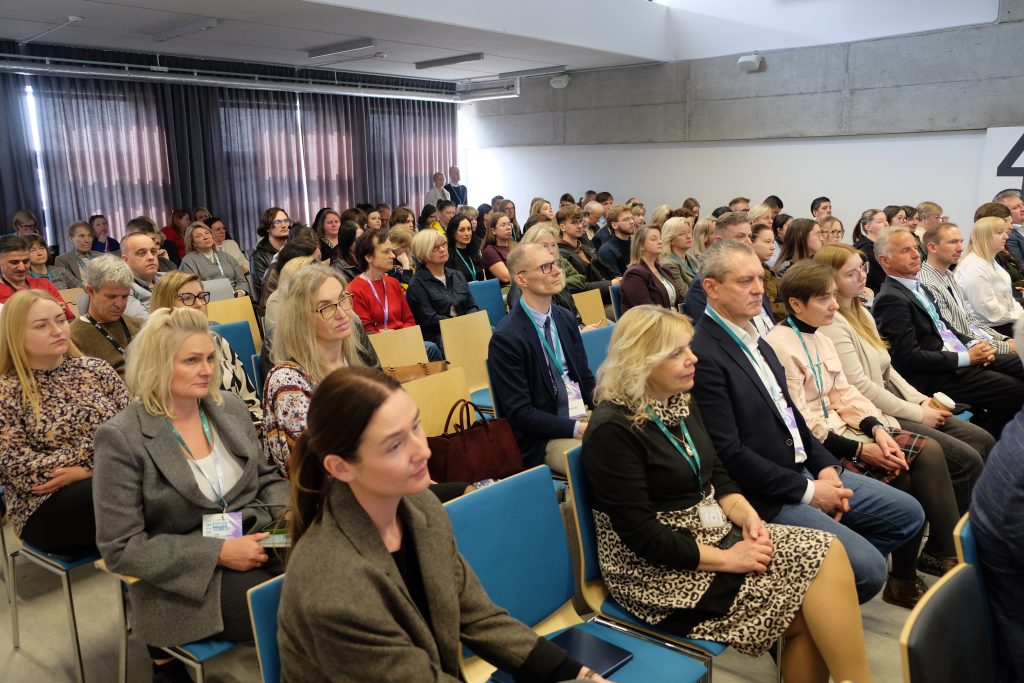
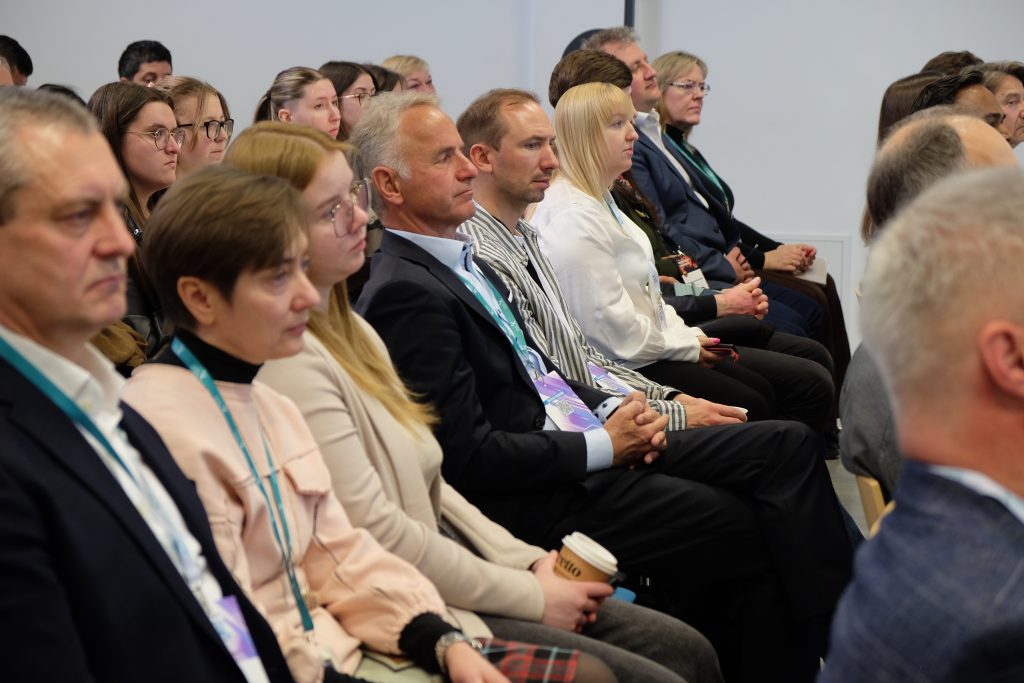
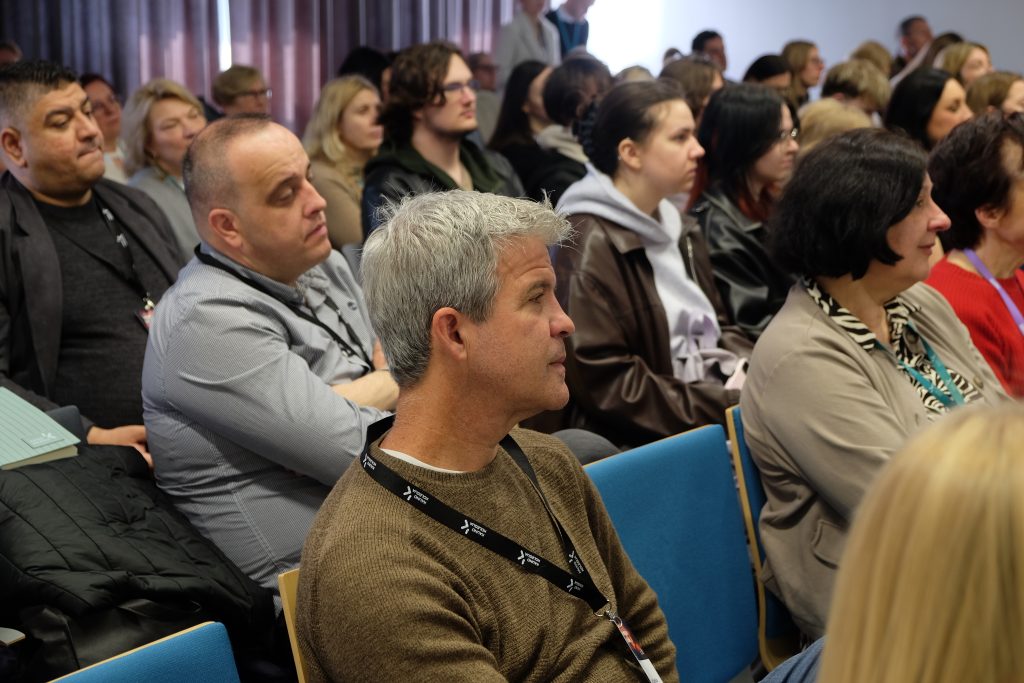
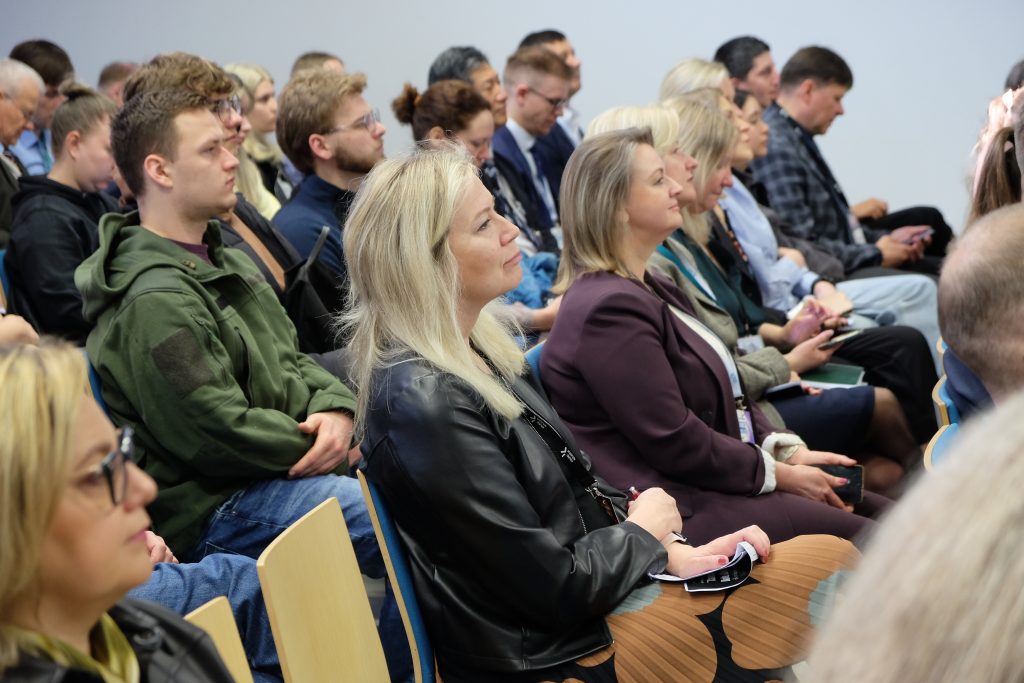
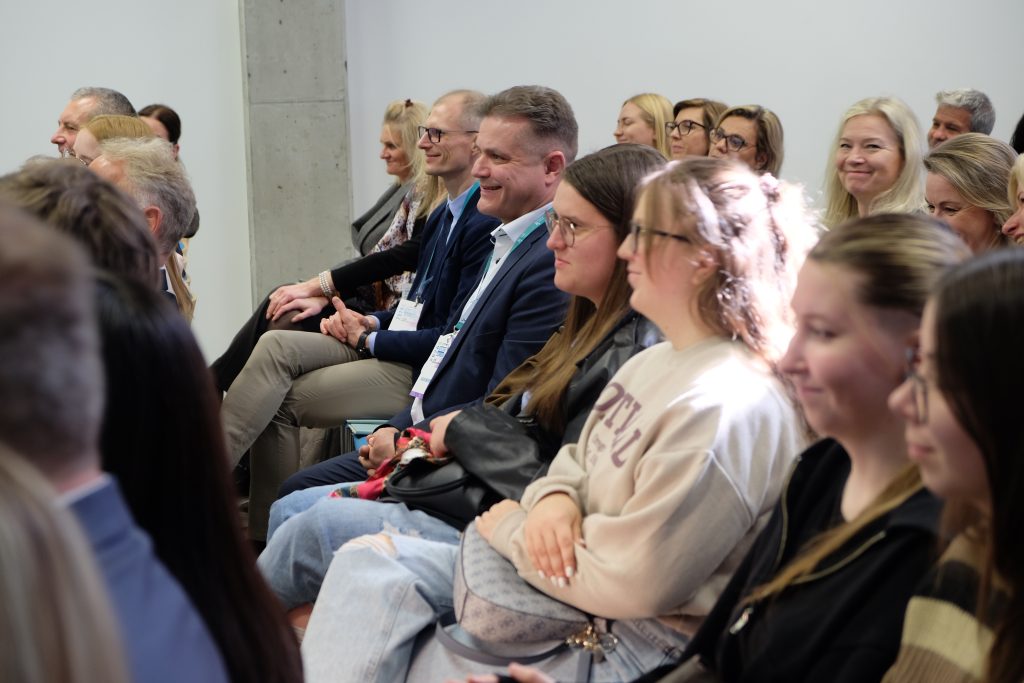
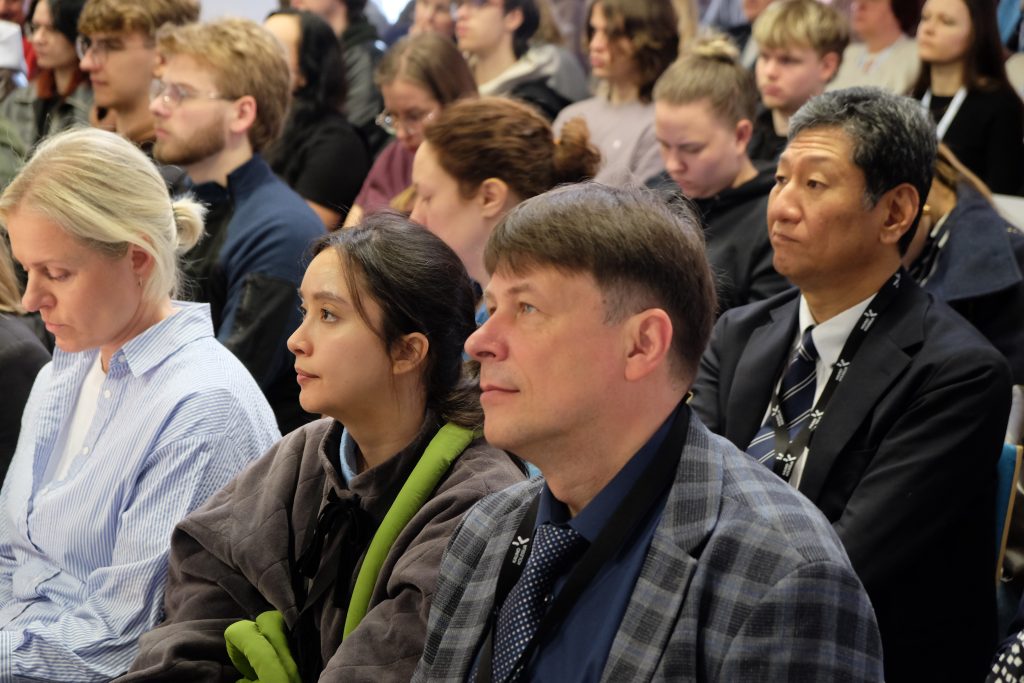
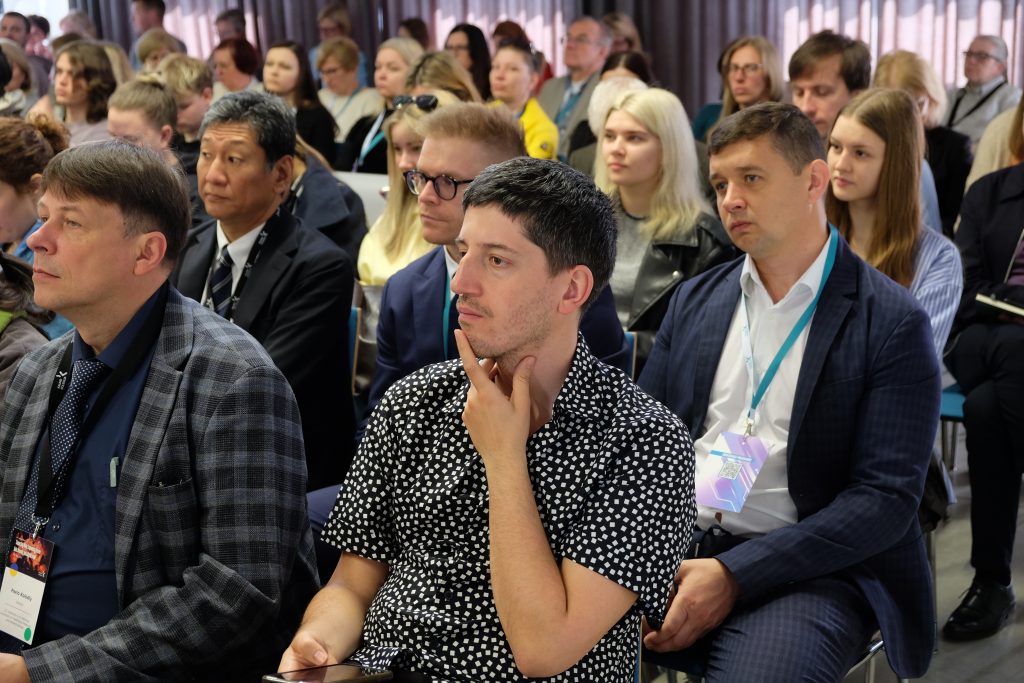
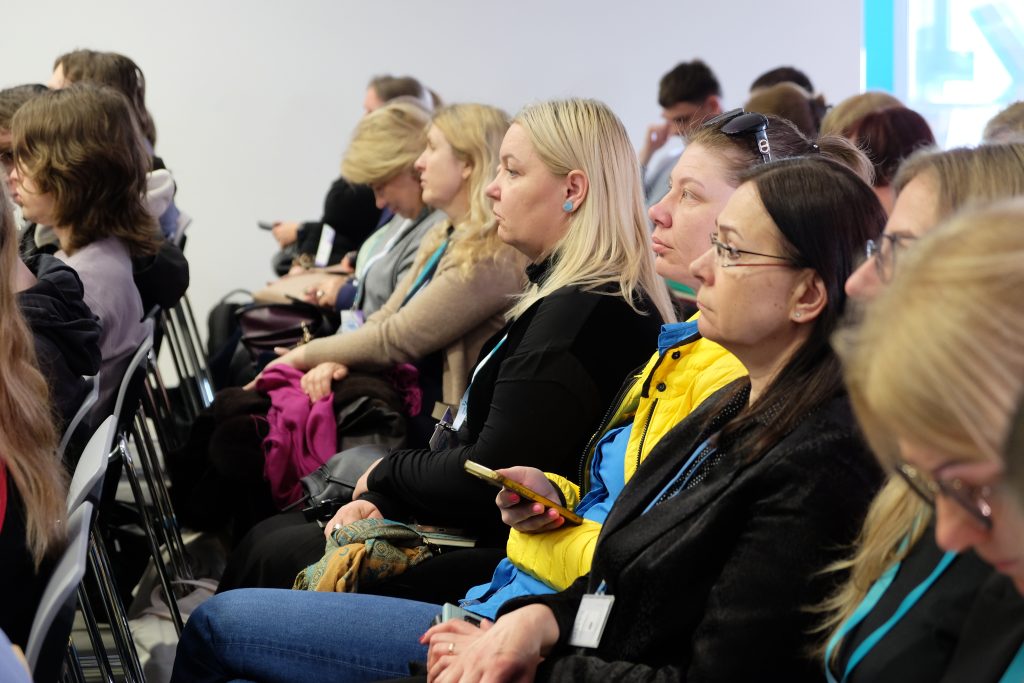
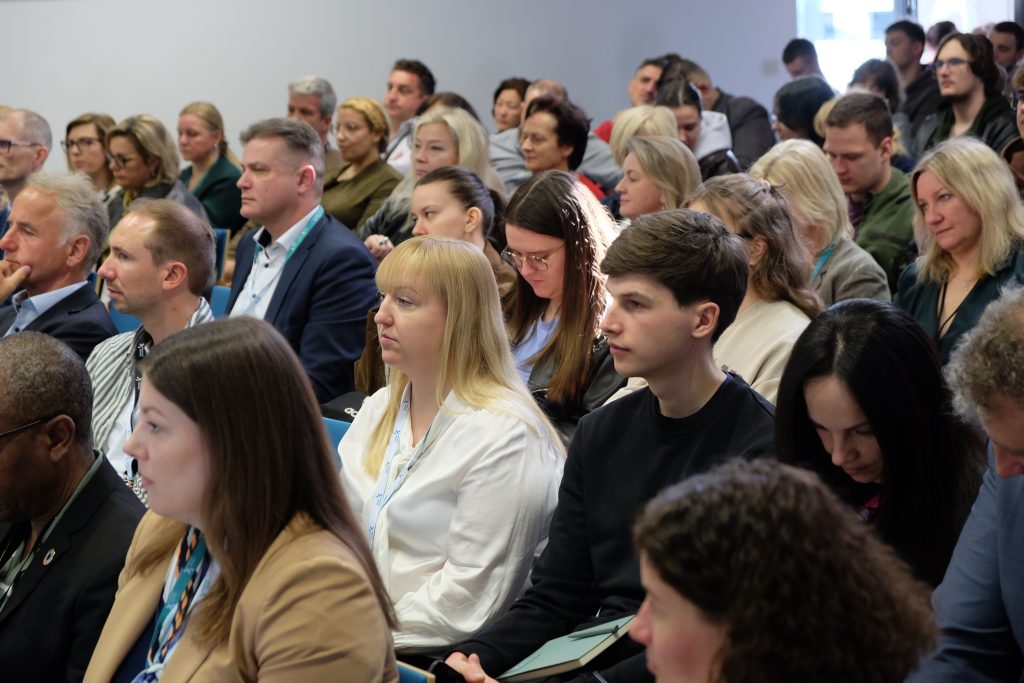
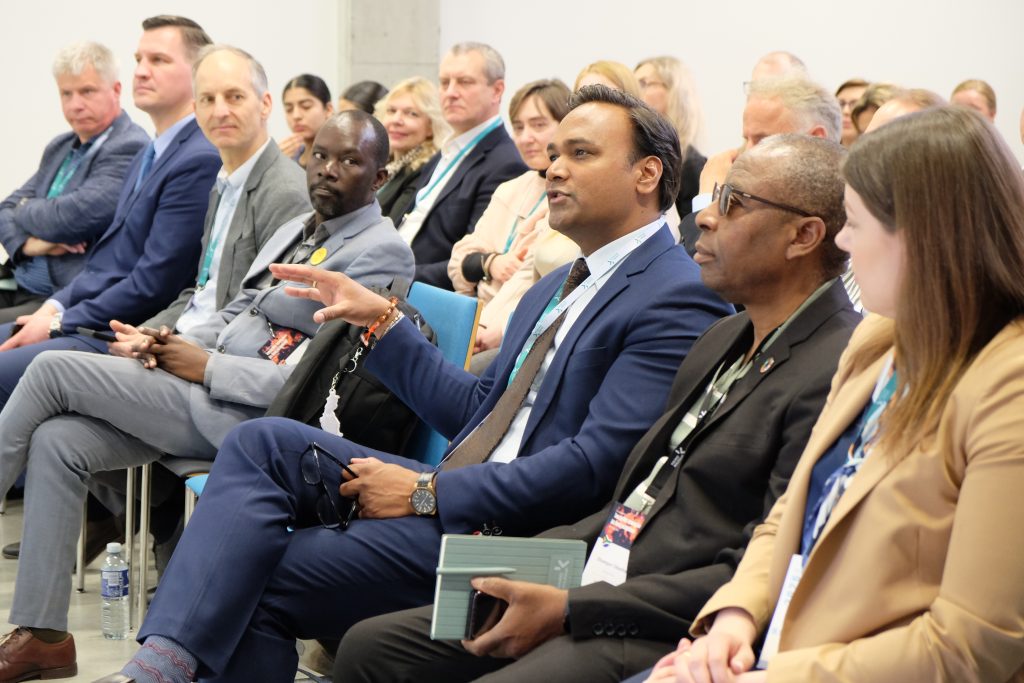
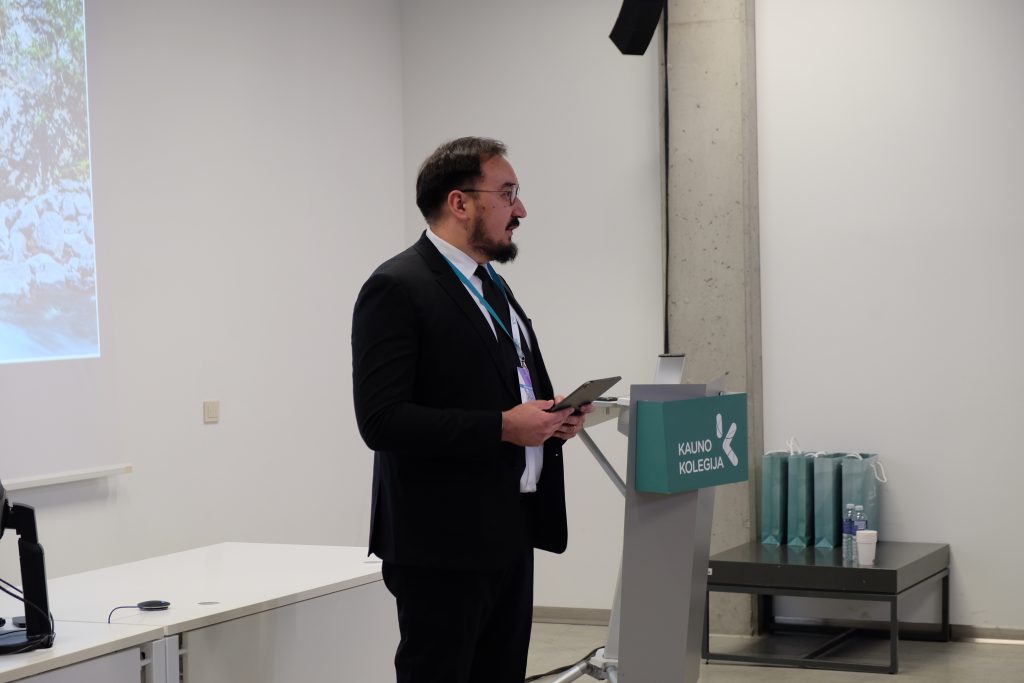
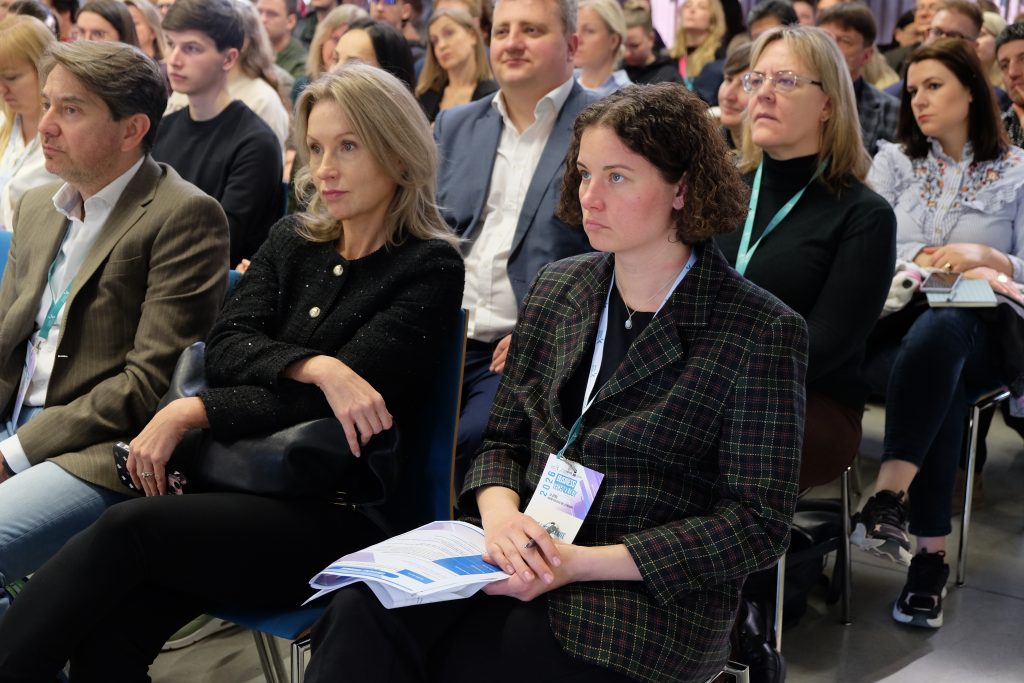
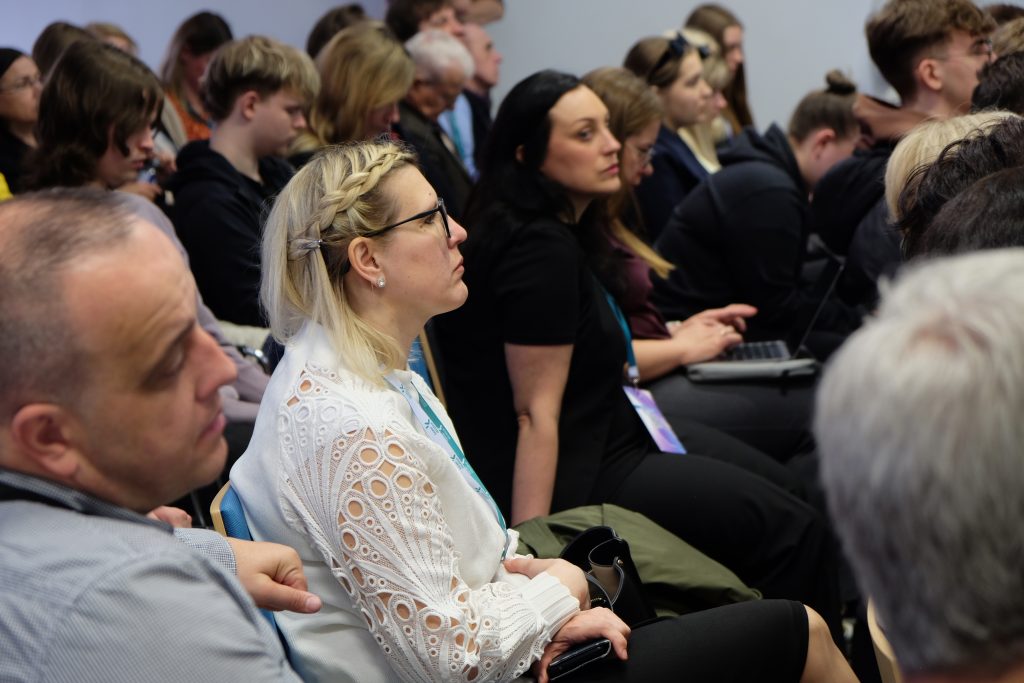
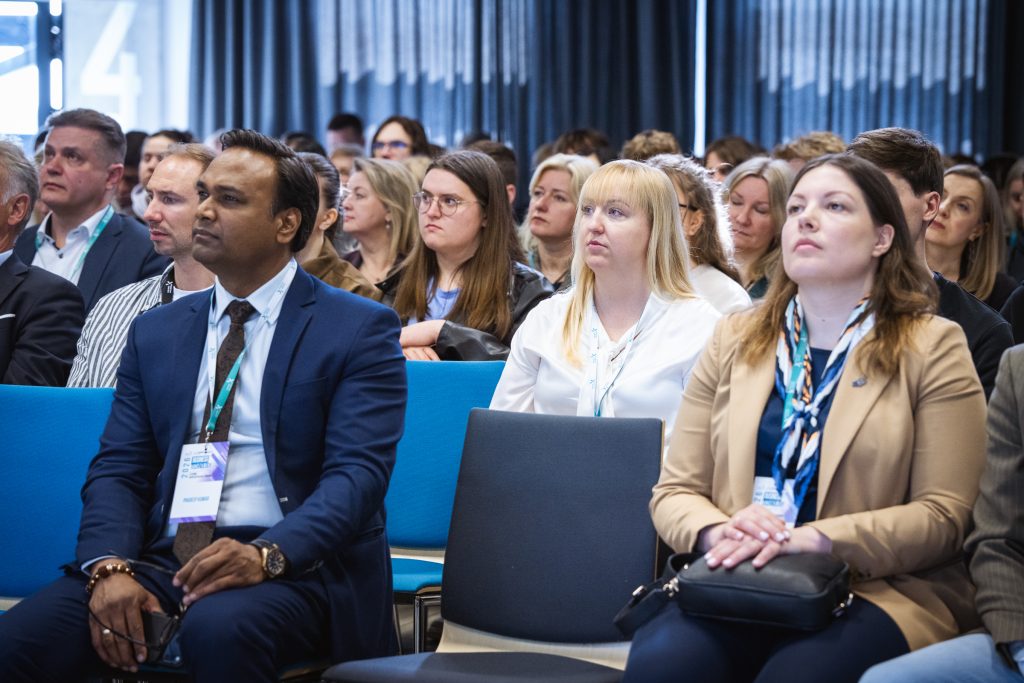
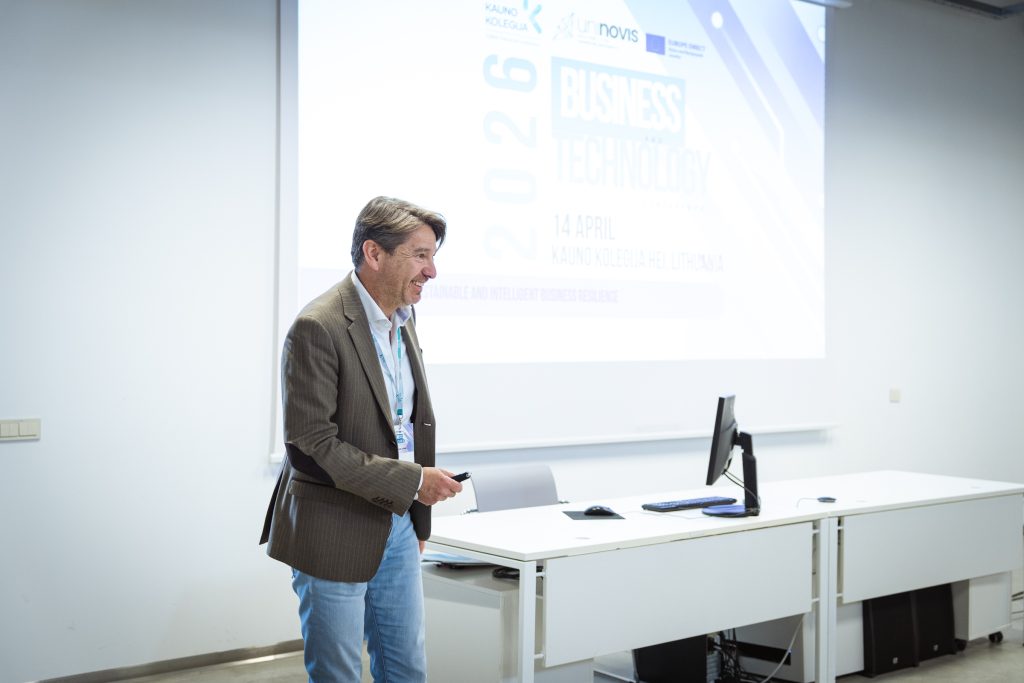
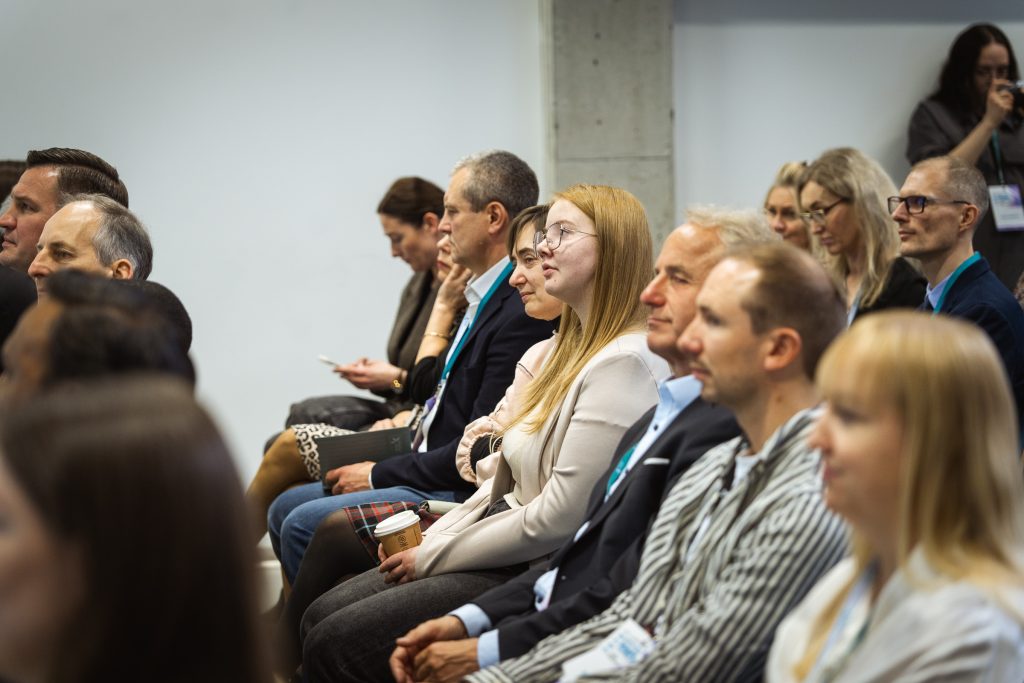
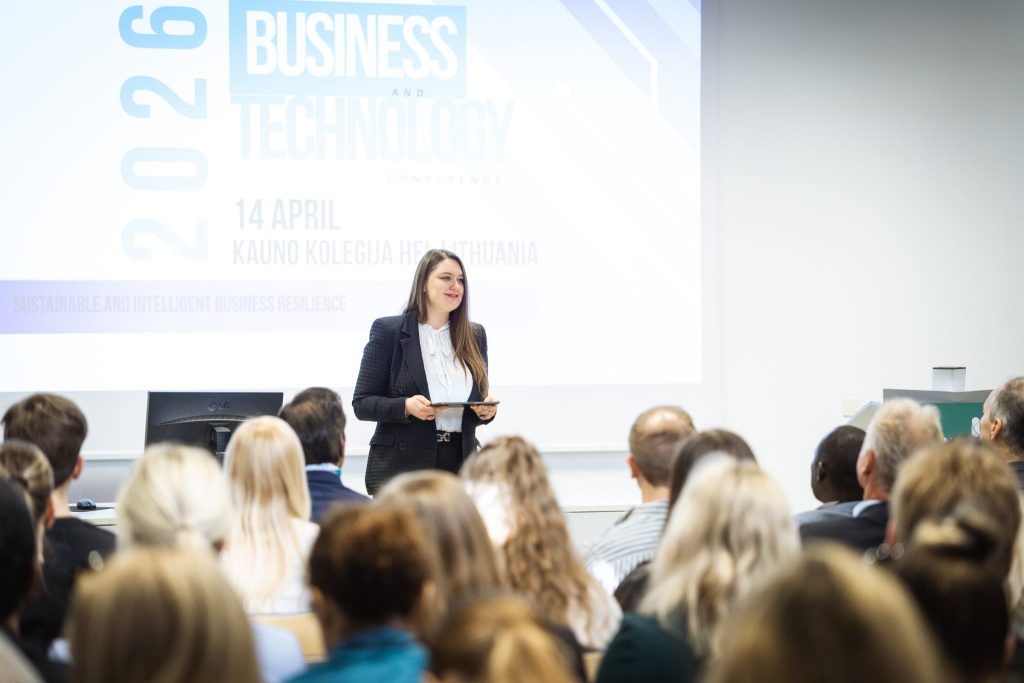
These questions became the central axis of the international scientific-practical conference ‘Business and Technology Conference 2026,’ held on April 14 at Kauno kolegija Higher Education Institution. The event, which has become an integral part of the institution’s International Week, brought together a vast academic community – experts, lecturers, and researchers from the UNINOVIS alliance and other partner institutions – to share insights and seek solutions for turning global threats into sustainable opportunities.
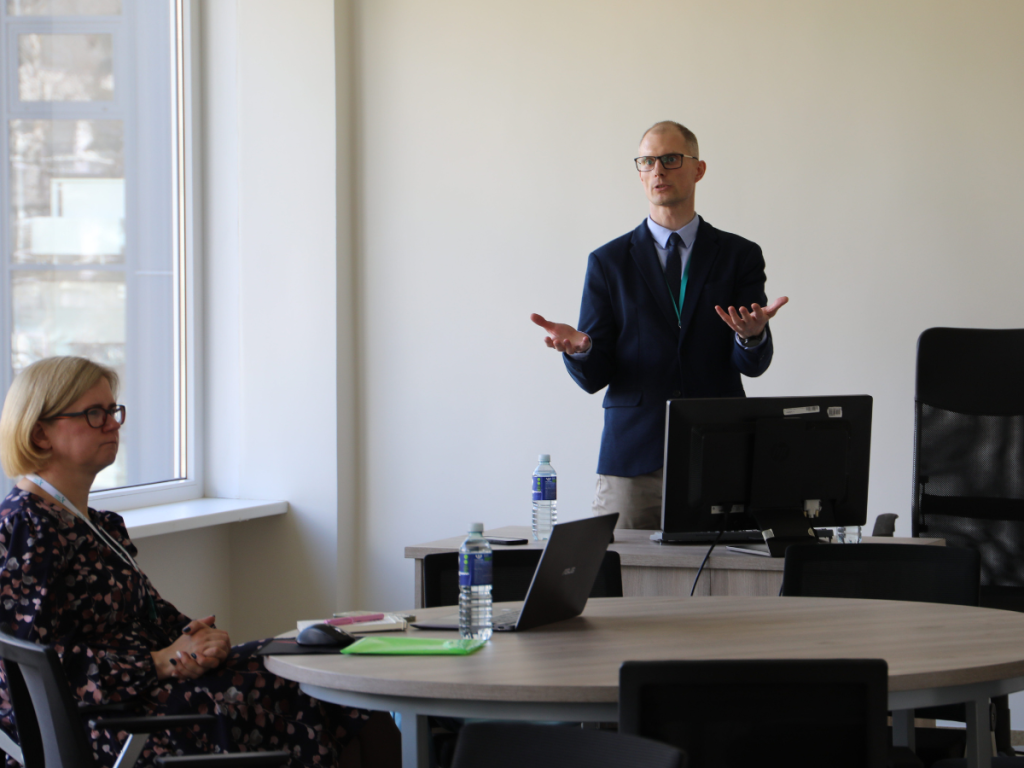
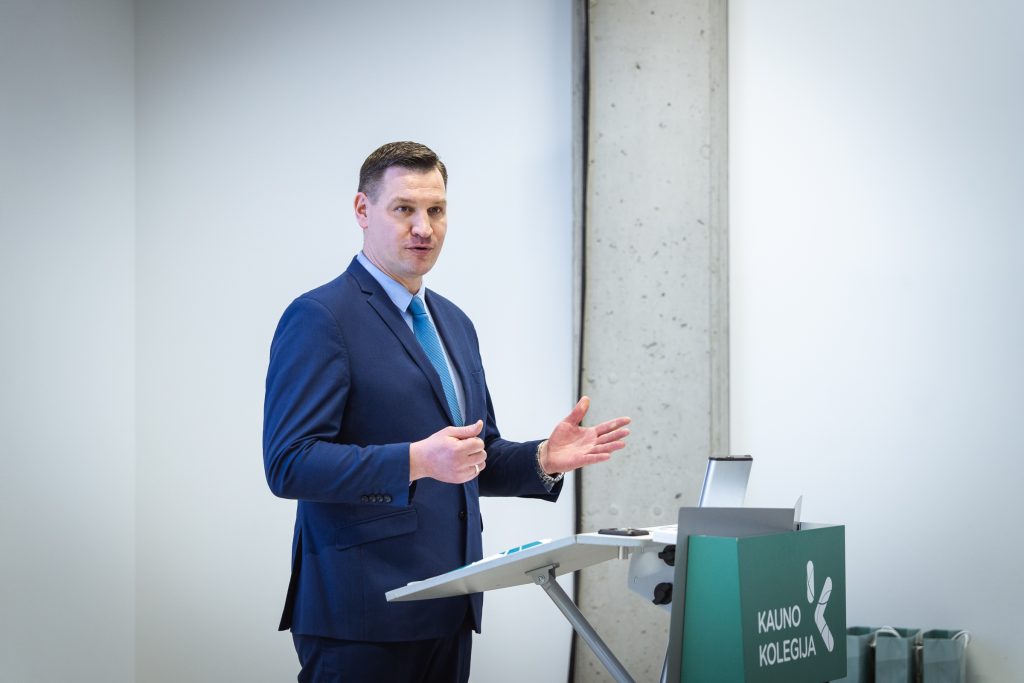
‘This conference is a platform where different academic disciplines meet, and scientific research provides answers to today’s practical challenges. We believe that solving complex problems requires expert insights, which serve as the foundation for our future progress,’ emphasised Dr Andrius Brusokas, Director of Kauno kolegija, during the opening of the event.
Sustainable and intelligent business resilience: innovation ‘flow’ as a continuous practice
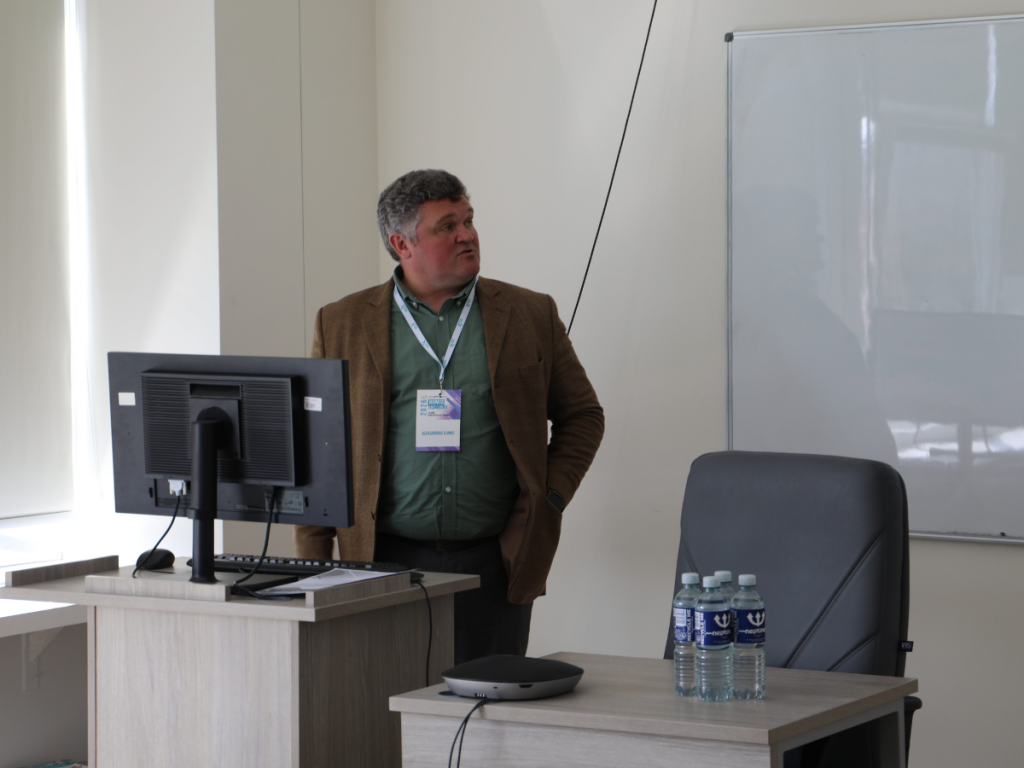
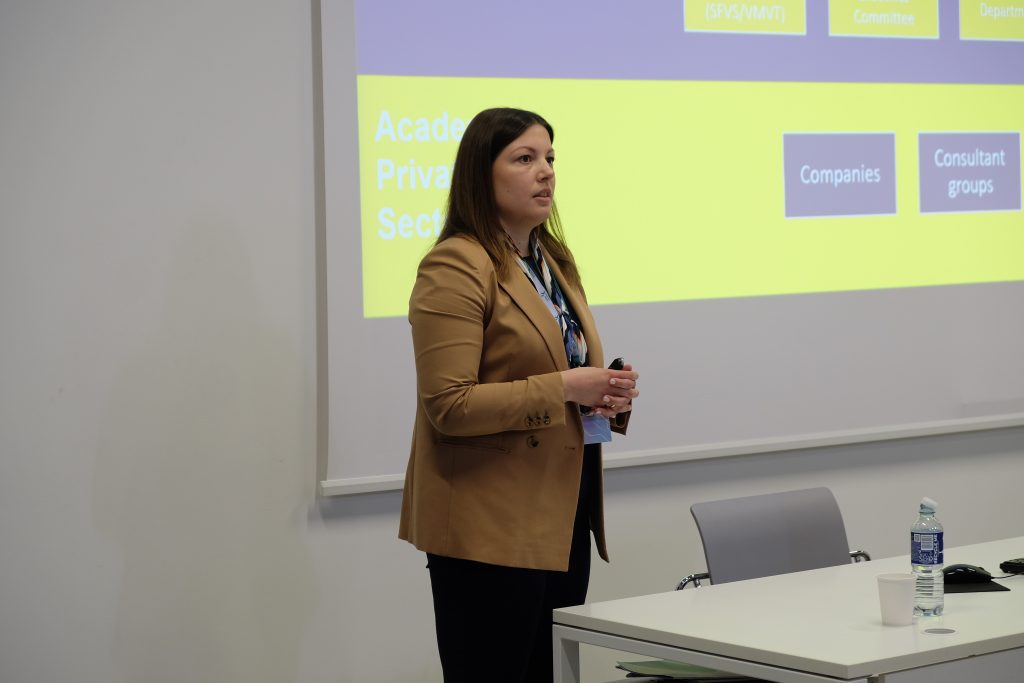
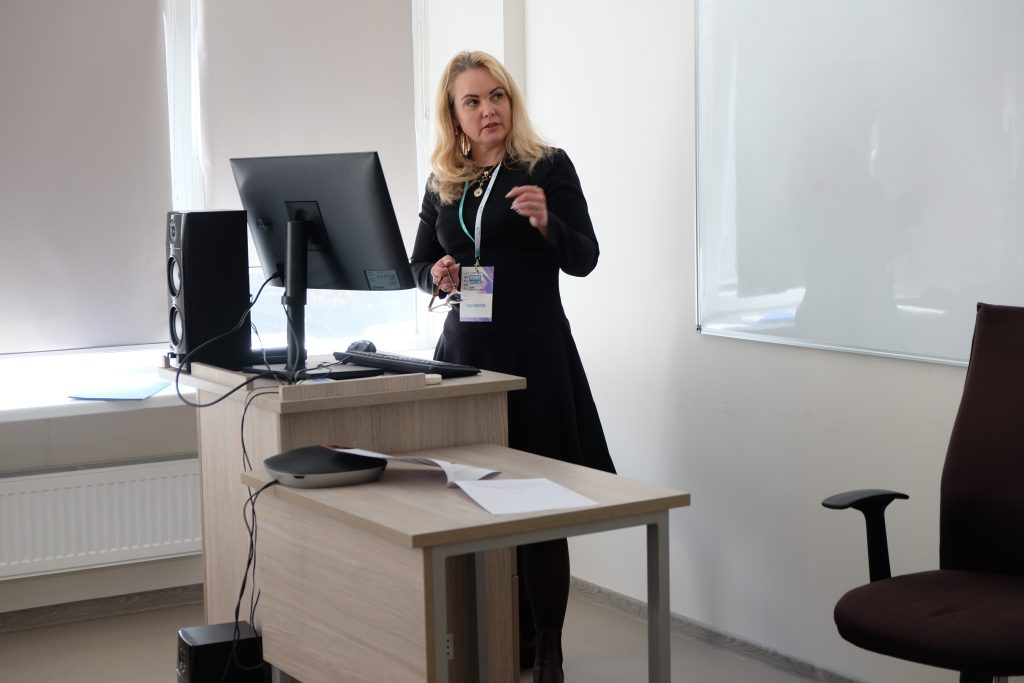
Ákos R. Wetters, an expert from the UNINOVIS alliance partner—The Hague University of Applied Sciences (THUAS) – challenged traditional views on regional resilience. According to him, resilience is not a static structure created once; it is a behavior and a continuous practice. The expert stressed that regional success depends on the ability to enter a state of ‘flow,‘ where innovation becomes a natural process.
According to the speaker, this flow occurs when people, institutions, and systems move in unison. A true breakthrough happens when scientific institutions become orchestrators of processes, and all actions are united by the ‘CO’ philosophy: from connecting and co-learning to co-creating and firm commitment.
‘Resilience occurs when learning happens faster than change. Institutions must stop merely providing knowledge and start enabling practical learning, involving all stakeholders and the citizens themselves,’ stated Á. R. Wetters. He presented the evolution of the health-tech accelerator ‘NetHub‘ as a success story: growing from a local initiative in 2021 to an international platform connecting investors and innovators across Europe by 2026.
Regulatory sandboxes and ‘Data Pilot 2.0’: how resilient innovations are born
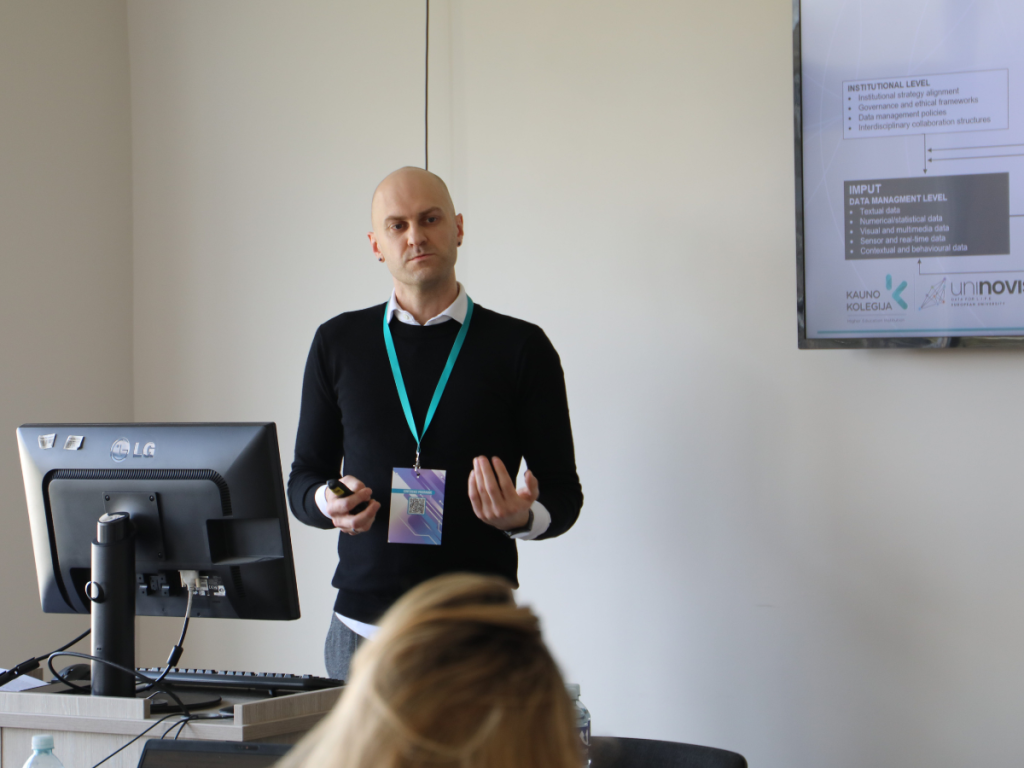
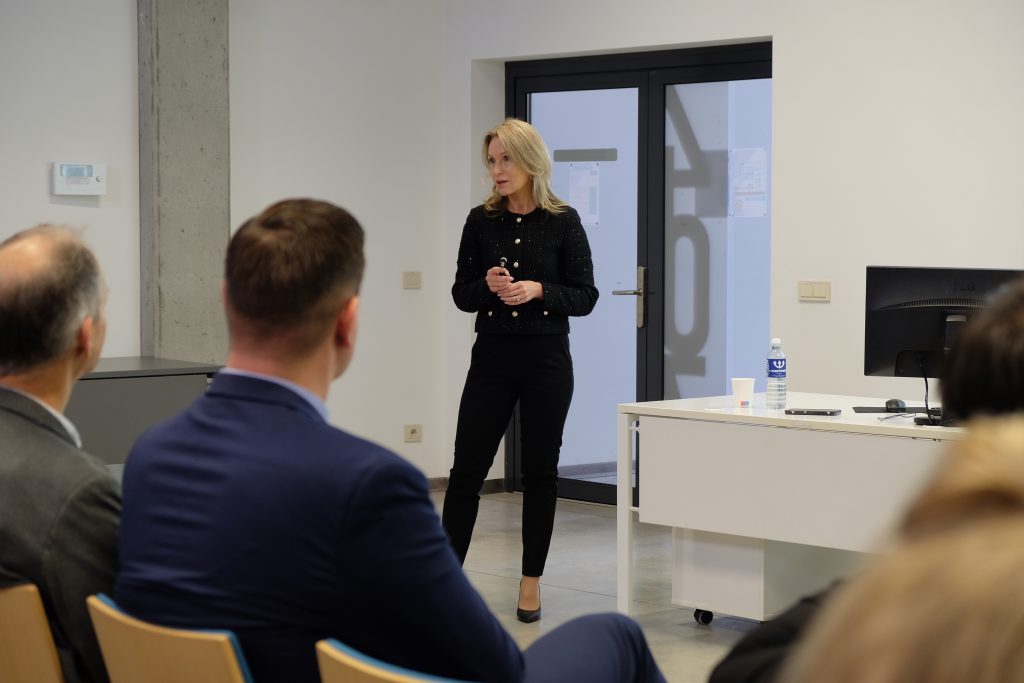
Dr Karolina Trakšelytė-Rupšienė, coordinator at the Innovation Agency’s ‘BioTech Lab,‘ discussed practical pathways for implementing innovation, revealing that 79% of companies in Lithuania’s life sciences sector face regulatory challenges. Key obstacles include complex procedures, limited access to data, and a shortage of experts.
According to the expert, Lithuania aims to become a hub for this sector, but this requires the implementation of regulatory sandboxes. These are controlled environments where businesses can test innovative products under the supervision of authorities.
‘The current situation in Europe forces companies to move to the US or Asian markets due to strict regulations. Regulatory sandboxes would allow innovative products – ranging from Advanced Therapy Medicinal Products (ATMPs) to novel food created through cellular agriculture or biomass fermentation – to reach the market much faster. For example, a five-year process could be shortened to one and a half years,’ explained Dr K. Trakšelytė-Rupšienė.
She also introduced the ‘Data Pilot 2.0‘ initiative, which helps bridge regulatory gaps – the divide between scientific discovery and commercialisation. This program allows startups to use real health and biobank data for solution validation, accelerating the deployment of data-driven innovations in Lithuania and Europe.
Strategic choices for small states in the face of global threats
Prof. Dr Margarita Šešelgytė from the Institute of International Relations and Political Science at Vilnius University (VU TSPMI) outlined the context of geopolitical challenges. She emphasised that 2026 marks the final transition to a multipolar world, where power is measured not only by weaponry but also by technological sovereignty and data control. Based on the concept of ‘value-based realism,‘ the professor stressed that international law and regional unity are existential necessities for small states.
‘Middle powers must act together because if we’re not at the table, we’re on the menu,’ she noted, quoting Mark Carney’s insights from the 2026 World Economic Forum in Davos. According to her, future resilience will depend not only on armies but also on the security of energy grids, the stability of data systems, and society’s ability to recognise manipulations in the digital space.
Thematic sessions: science-based innovations for business transformation
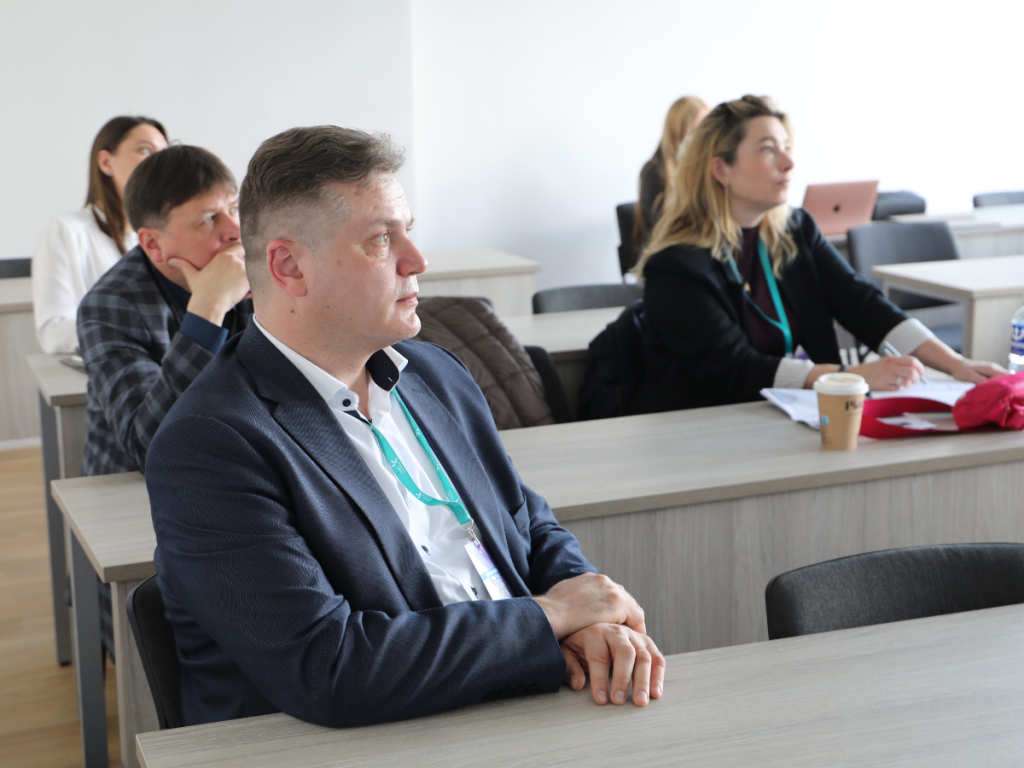
The thematic sessions of the ‘Business and Technology Conference 2026’ featured presentations and discussions where scientists, students, researchers, and international academic partners presented their findings. The works were based on scientific methodology, the latest data, and analytical solutions, exploring topics such as Artificial Intelligence (AI), automation, digitalization, data analytics, and sustainability. During the discussions, participants shared new ideas and potential technological solutions, emphasizing interdisciplinary collaboration and the role of science in creating innovative solutions tailored to future needs.
Sustainable and intelligent business resilience – the path to the future
This interdisciplinary conference was organized by the Faculty of Business of Kauno kolegija together with the Faculty of Computing, Engineering, and Technologies. Partners – the international UNINOVIS network and Europe Direct Alytus-Marijampolė – contributed to the event’s success.
This year’s event reaffirmed that business resilience is not a final destination but a continuous movement. For companies to not only survive but thrive in times of uncertainty, they need a strategic perspective, the ability to integrate high technologies, and the courage to collaborate across sectors. By promoting interdisciplinarity and the synergy between science and business, Kauno kolegija remains at the center of these processes, helping to build a sustainable and competitive future for Lithuania.