
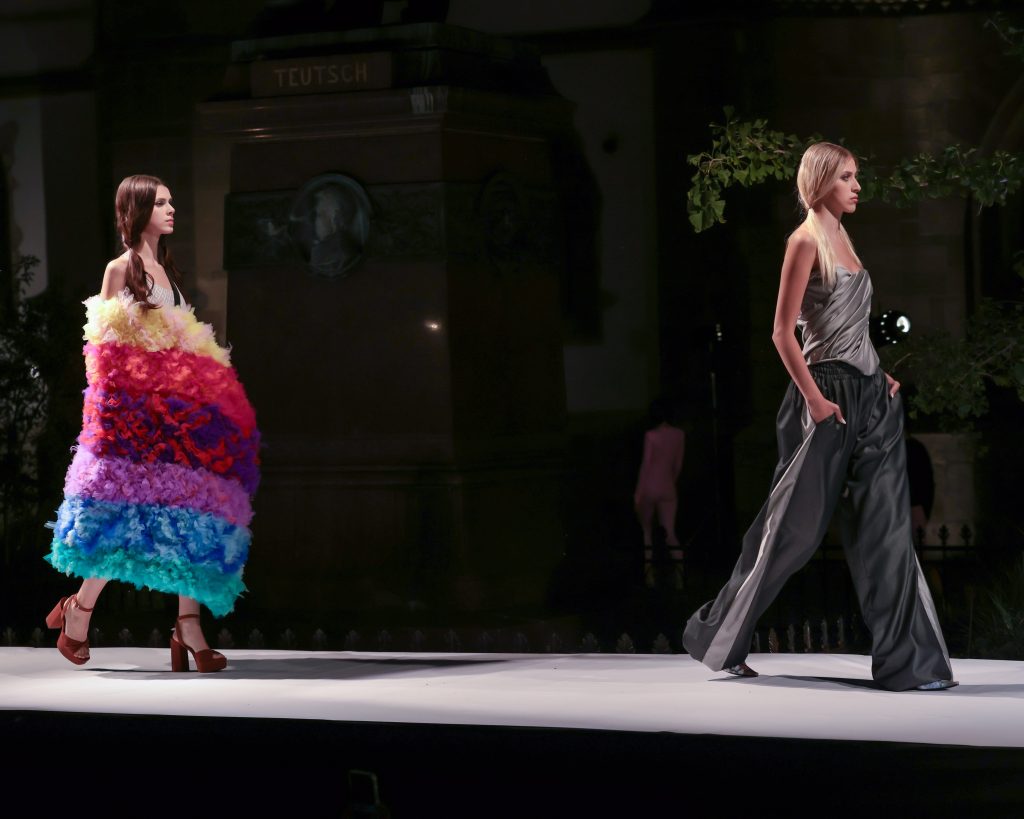
Kauno kolegija lecturer and designer Milda Grikšaitė shares insights in the media
Constant sales, ever-changing trends and wardrobes bursting at the seams yet still leaving us with ‘nothing to wear’ – this is the vicious circle many consumers find themselves trapped in. According to the Environmental Protection Agency, in 2023 and 2024 approximately 50,000 tonnes of textile waste were generated annually in Lithuania. Meanwhile, the European Environment Agency reports that in 2022 the average EU citizen purchased 19 kg of clothing, footwear and household textiles, yet discarded almost as much – 16 kg.
Kauno kolegija Higher Education Institution’s lecturer, founder of ‘Mild Power’, designer Milda Grikšaitė shares her advice on what to look for when searching for quality garments, how to care for them properly, and whether a higher price always guarantees durability.
Quality lies in the details
According to M. Grikšaitė, although the very essence of fast fashion – as the name suggests – is speed, volume and short-term relevance, it is still possible to find quality garments in such stores.
‘It is a system in which a garment is created not to last, but to be sold quickly and replaced by another. Although individual higher-quality fabrics or successful pieces do appear, the underlying philosophy is not compatible with longevity. However, as everywhere, there are exceptions,’ says M. Grikšaitė.
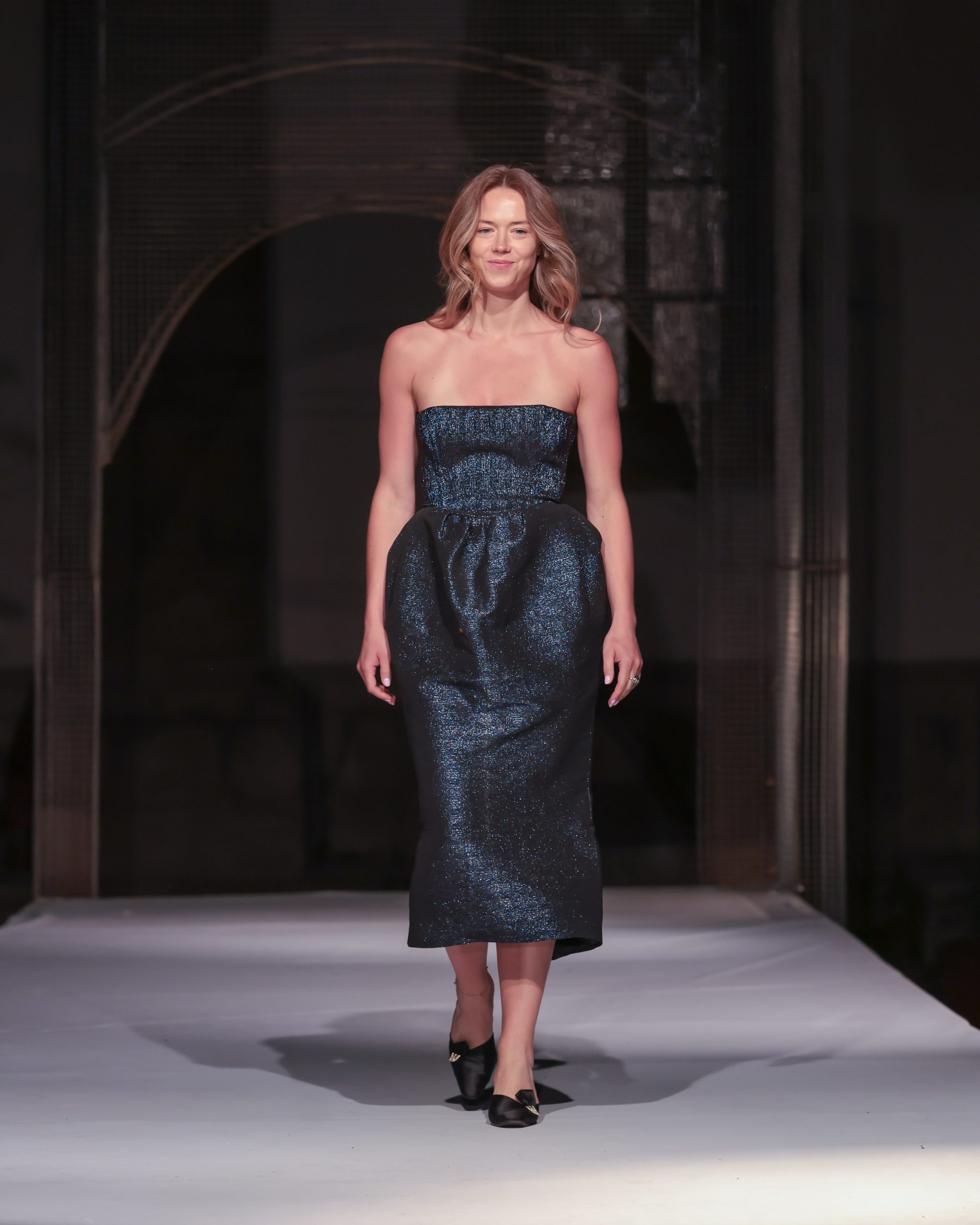
For those seeking long-lasting clothing, the designer advises first paying attention to the fabric and its composition – natural fibres such as wool, cotton, silk and linen, or high-quality blends thereof, will always outlast cheap synthetic materials.
‘It is also important to consider the fabric’s density, texture, how it drapes, whether it feels ‘alive’ in the hand. Another significant aspect is colour and shape. A durable garment does not necessarily have to be neutral. It can be bright, expressive or even bold, yet possess design value – like a small work of art that does not lose its relevance because it is grounded in aesthetics rather than a fleeting trend. For example, a vibrant scarf or even a jumper,’ the designer explains.
She adds that equal attention should be paid to a garment’s construction – how it is sewn, the quality of its trims and finishes, and how it looks on the body: ‘Quality very often lies not on the outside, but within and in the details.’
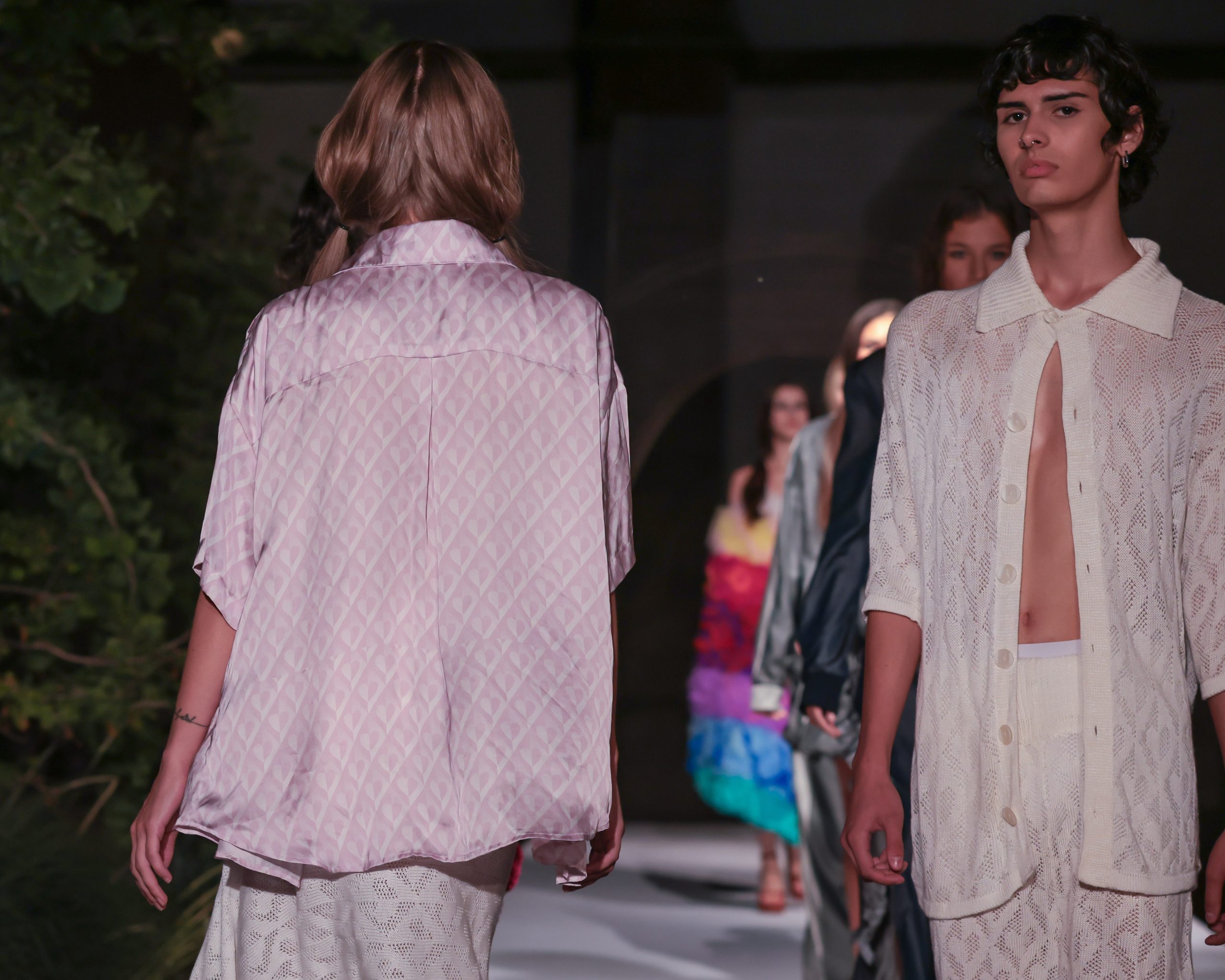
Does a high price always guarantee high quality?
For those who believe that choosing quality clothing necessarily means significantly stretching their budget, M. Grikšaitė offers reassurance – price does not always reflect quality, so it is more important to focus on the criteria mentioned above. Nevertheless, it is worth remembering that an extremely cheap garment is unlikely to be durable.
‘The price may be linked to brand image, marketing or trendiness, but not necessarily to actual quality. However, a very cheap garment can almost never be of high quality, because quality fabrics, thoughtful construction and skilled workmanship simply cannot cost very little. It is important to learn to ‘read’ the garment rather than its price tag,’ emphasises M. Grikšaitė.
The designer also says that quality begins with suitability rather than the garment itself. Even before assessing the fabric or construction, the most important thing is to avoid perhaps the most common mistake – buying something that does not suit you.
‘People often shop by following fashion, choosing clothes or footwear based on mood, price or a current sale, rather than their body shape, colour palette, lifestyle and personal style. As a result, wardrobes fill up with items that are never worn, even though they may look beautiful,’ says M. Grikšaitė.

Properly cared-for garments can last for decades
The designer notes that proper care is essential if clothing is to last longer: washing at lower temperatures, laundering less frequently, avoiding tumble drying, repairing instead of discarding, and steaming instead of frequent washing – all of this dramatically extends a garment’s lifespan.
‘Proper care can preserve a garment for decades. Many items wear out not because of being worn, but because of improper care. For instance, fibres such as wool are, in general, an excellent product. Their care is far simpler than many people imagine, and sweaters last a very long time if properly maintained. It is also interesting that there are scientific studies suggesting that wool improves the wellbeing of the person wearing it,’ shares M. Grikšaitė.
The article is published on delfi.lt (in Lithuanian language)