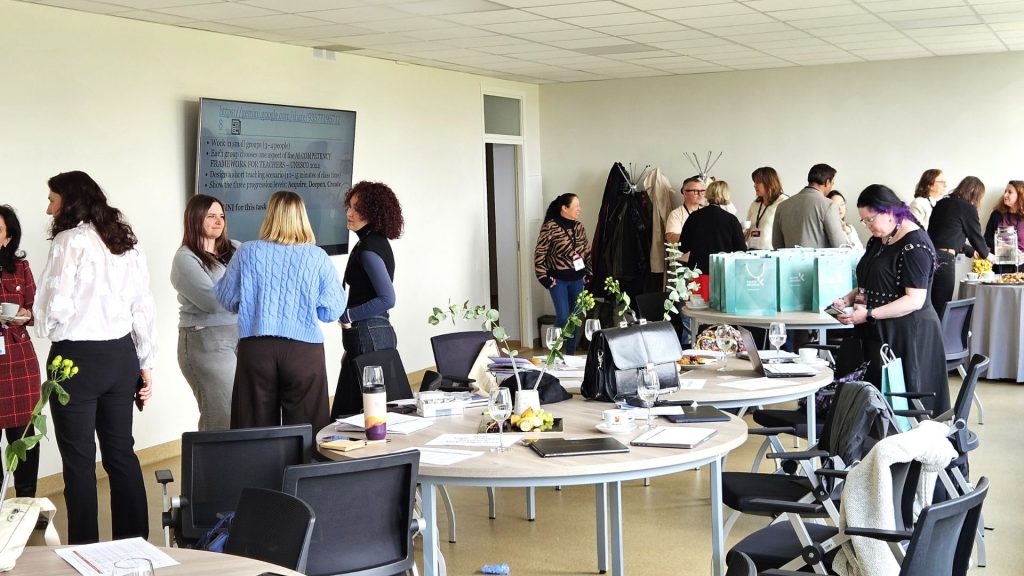
From artificial intelligence to CLIL: international programme for language educators
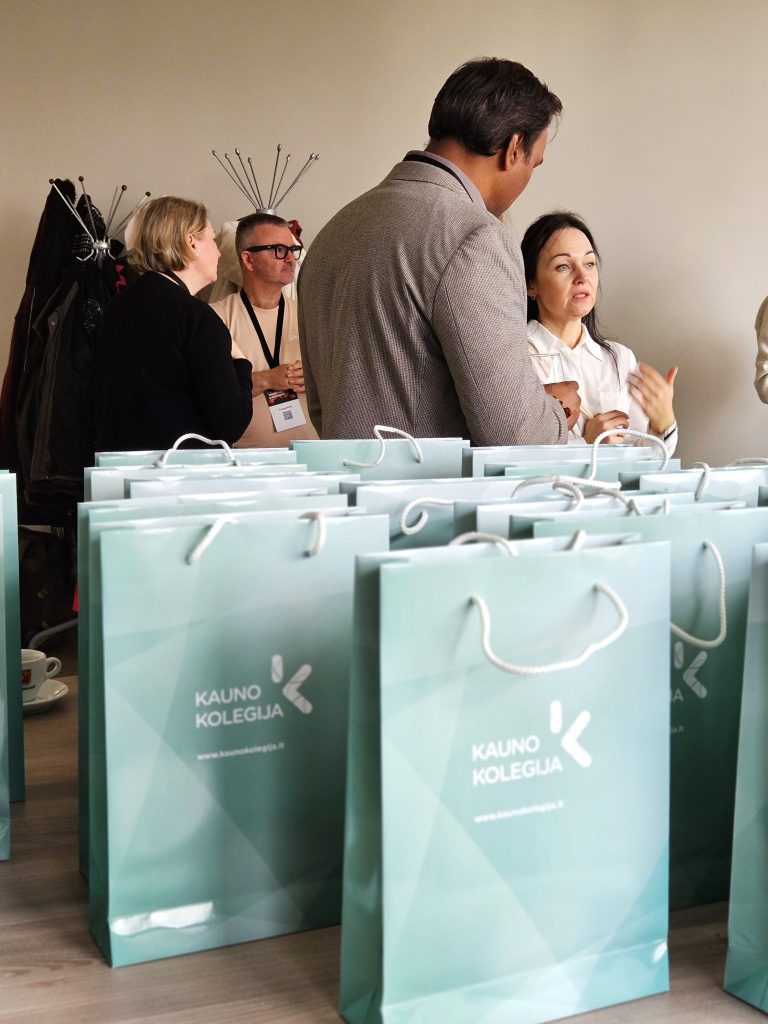
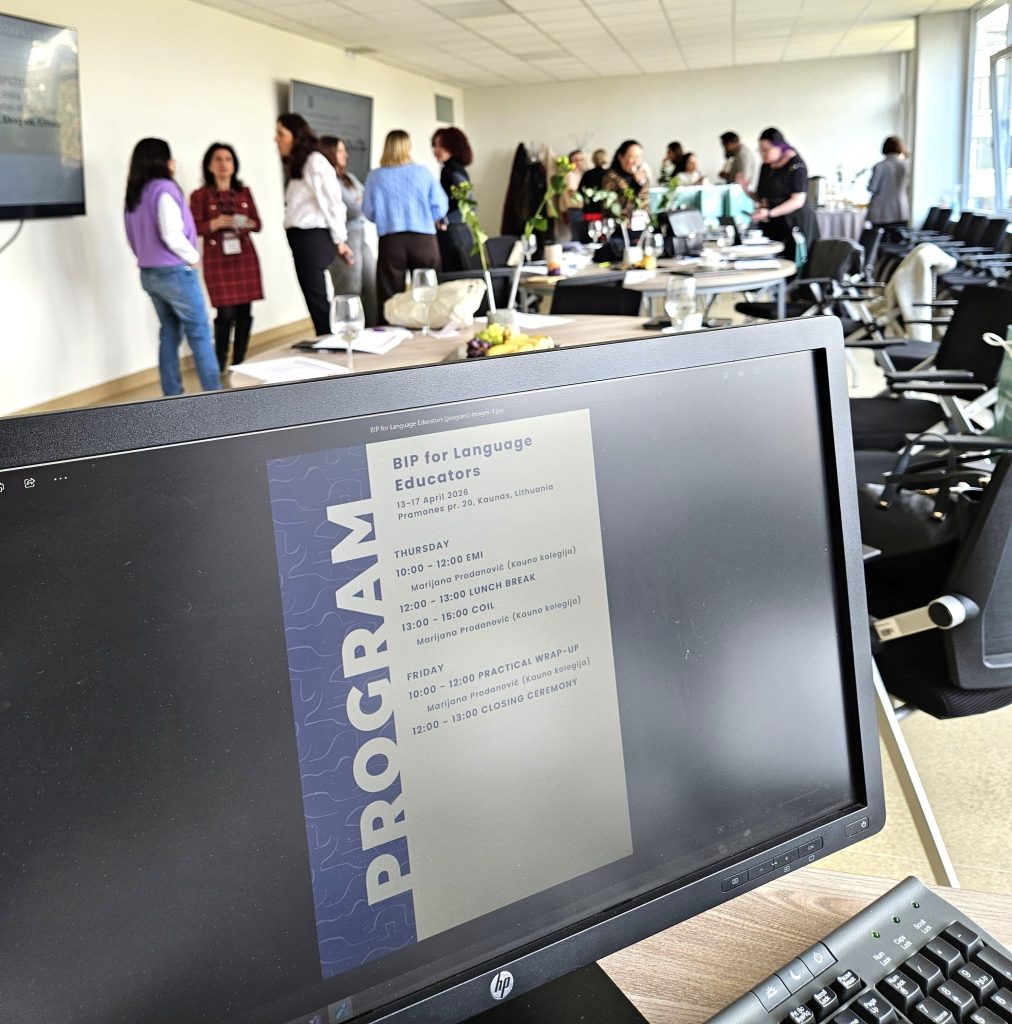
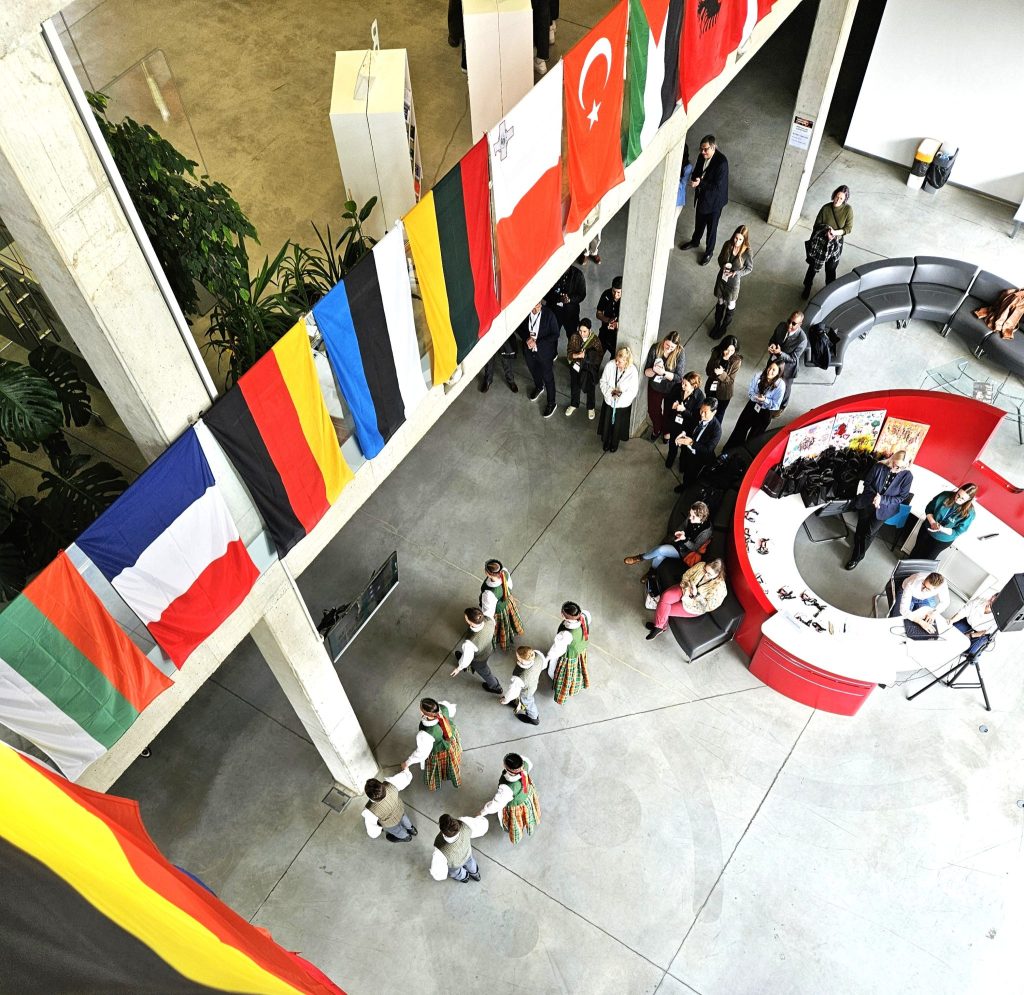
From 13–17 April 2026, the Faculty of Arts and Education Language Centre at Kauno kolegija is hosting a Blended Intensive Programme (BIP) entitled ‘BIP for Language Educators’, bringing together lecturers and specialists from various European countries. The programme forms part of Kauno kolegija’s International Week, which promotes academic cooperation, the sharing of expertise, and the development of innovative teaching and learning methods.
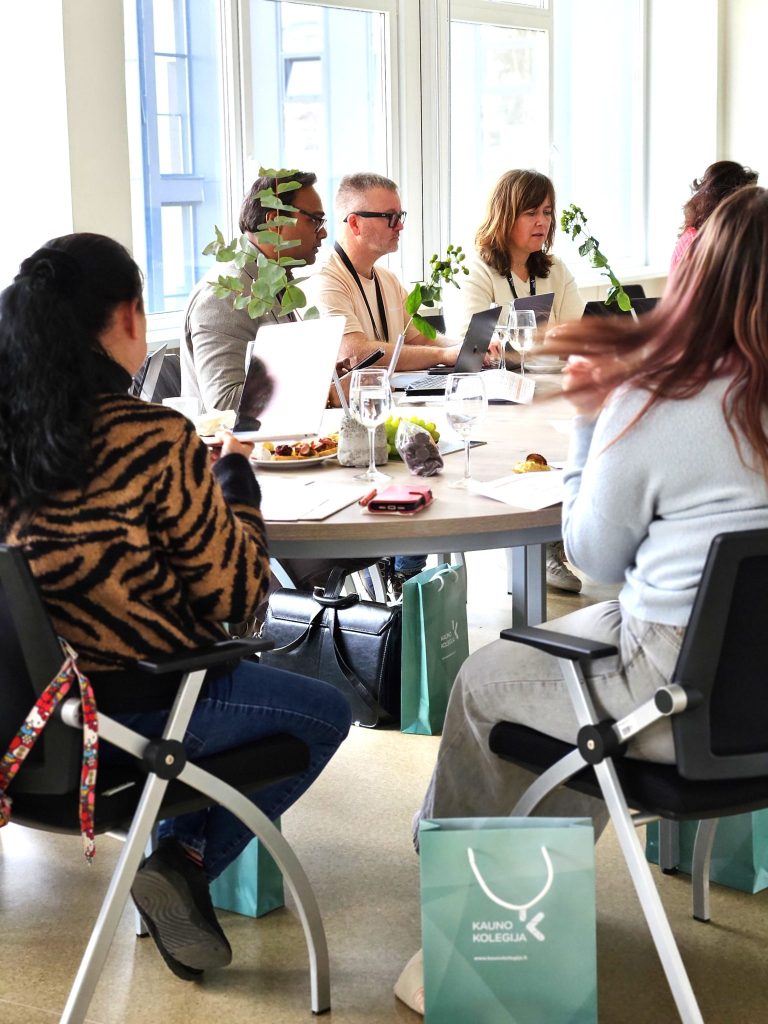
Participants include representatives from the Netherlands, France, Albania, Spain, Germany, Austria, Belgium, Latvia, Finland, and Lithuania, representing the following higher education institutions: The Hague University of Applied Sciences, Sorbonne Paris Nord University, the University of Tirana, the University of Malaga, the Technical University of Applied Sciences Würzburg-Schweinfurt, the University of Applied Sciences Technikum Wien, Charlemagne University College, P. Stradiņš Medical College of the University of Latvia, Tampere University of Applied Sciences, and Kauno kolegija.
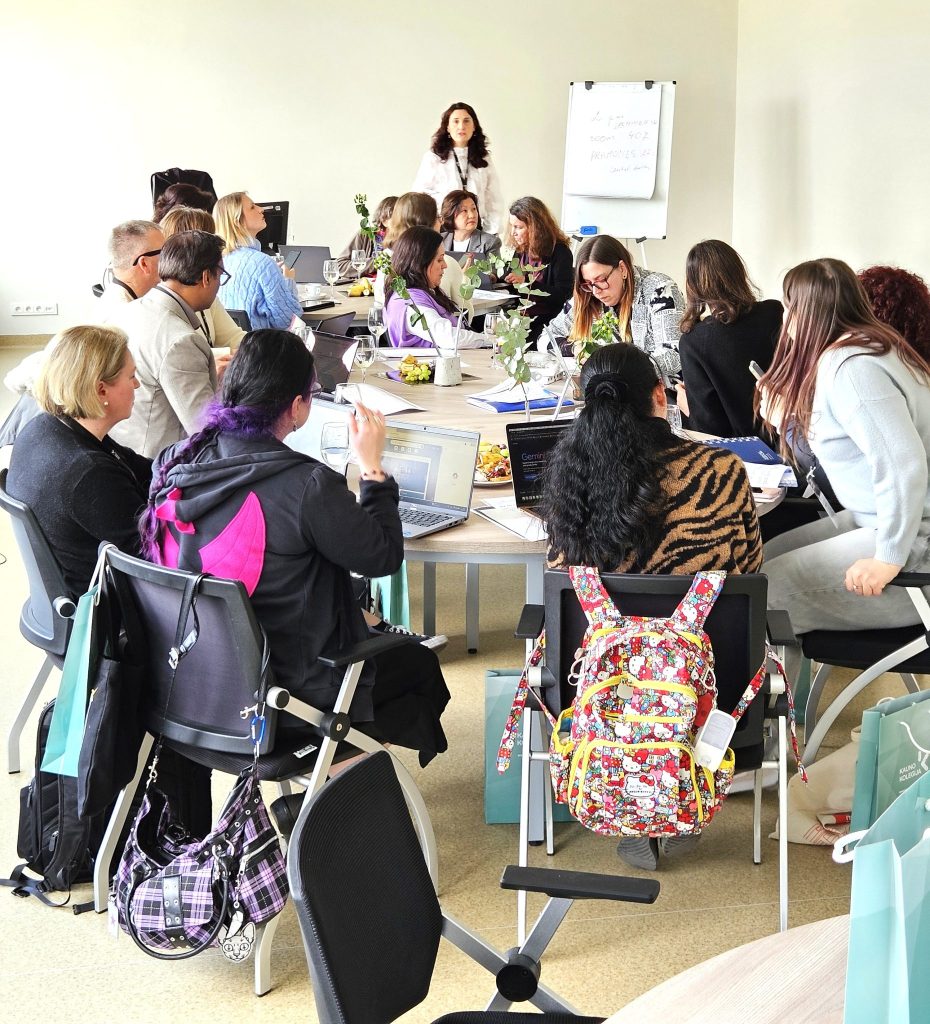
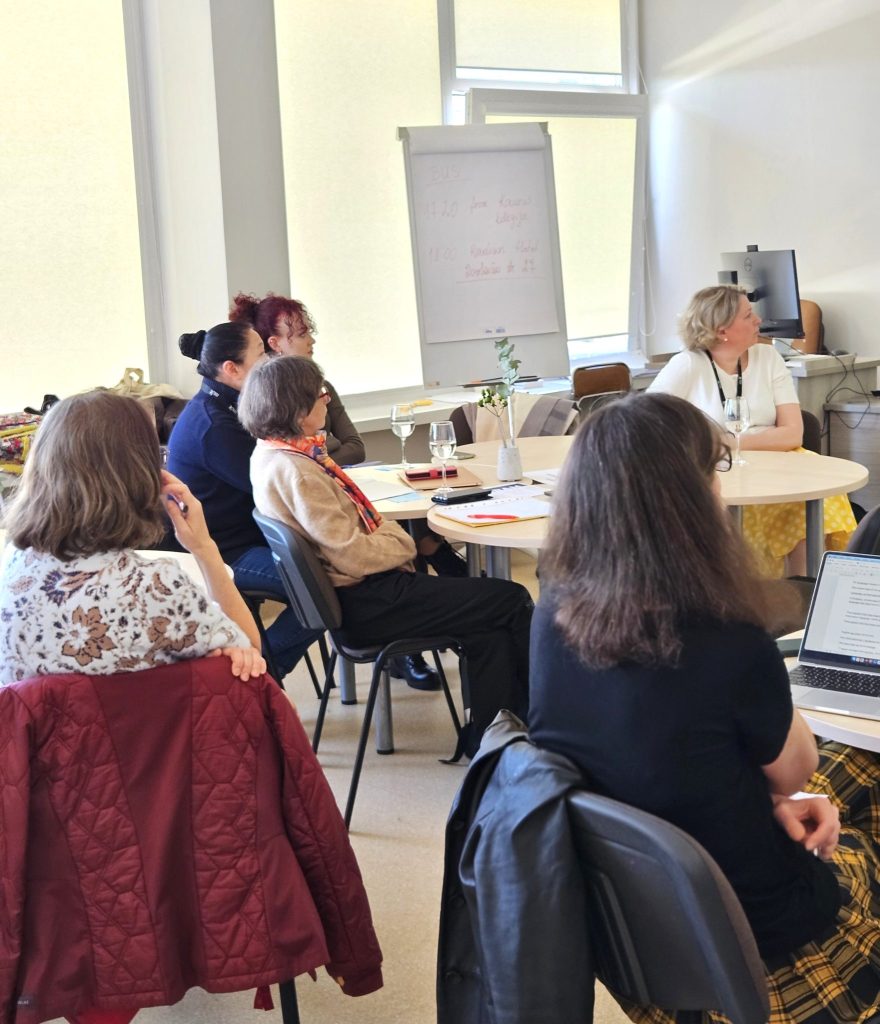
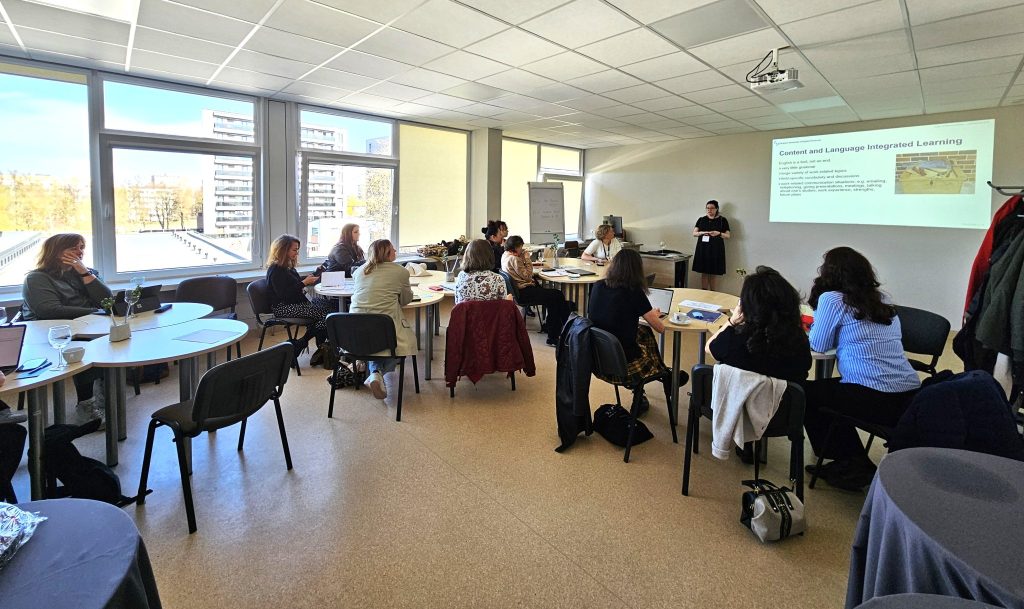
The programme features intensive training sessions and practical workshops focused on contemporary trends in language teaching and learning. Participants deepen their knowledge in areas such as:
- CLIL (Content and Language Integrated Learning),
- EMI (English as a Medium of Instruction),
- COIL (Collaborative Online International Learning),
- the application of artificial intelligence in education,
- the integration of innovative methods into the study process.
The training combines theoretical insights with hands-on activities, enabling participants to test new approaches and apply them in their own teaching practice. The programme concludes with a reflective discussion and a summary of outcomes.
This international experience contributes to improving the quality of studies, encourages the adoption of innovation, and strengthens educators’ competences to work in intercultural and multilingual academic environments. It also opens up opportunities for developing new collaborative projects and reinforcing partnerships between institutions.
The programme is complemented by cultural activities, offering participants the chance to become more familiar with Lithuania and to build informal connections.