Erasmus+ project EqualEdu meeting in Lisbon
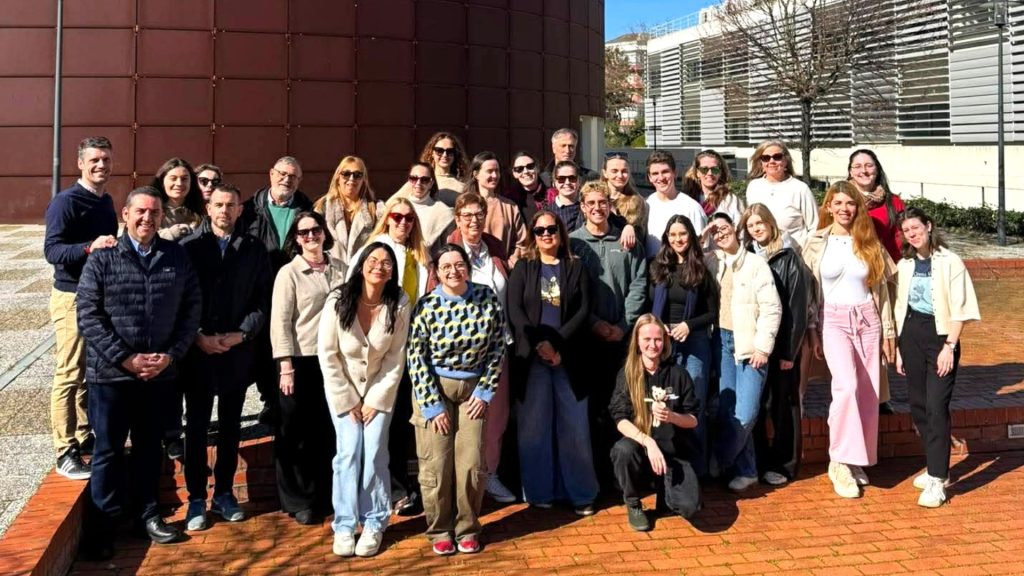
On 19–20 February 2026, the Department of Exact, Life, Social and Human Sciences of Escola Superior de Saúde de Lisboa – Instituto Politécnico de Lisboa (Portugal) hosted a partner meeting of the Erasmus+ project Inclusion of Content on Effective Sexual and Gender Diversity in Health Sciences University Environments (EqualEdu).
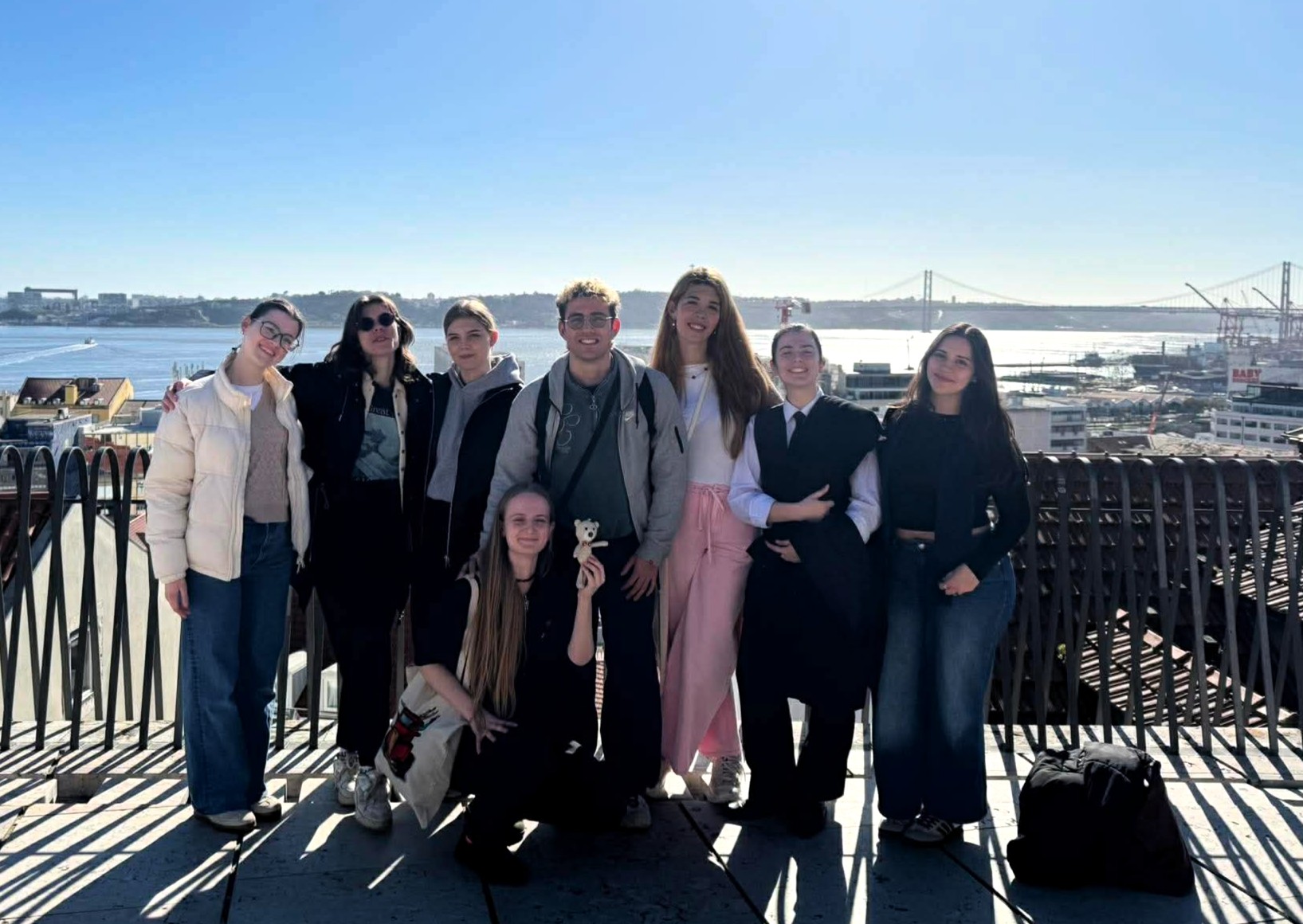
The meeting was attended by lecturers from the Faculty of Medicine at Kauno kolegija Higher Education Institution – Milda Gintilienė, Laura Žlibinaitė, and Daiva Baltaduonienė – together with five students from the Physiotherapy and Occupational Therapy study programmes. The project is implemented within the framework of the UNINOVIS Alliance, in collaboration with the University of Malaga (Spain, project coordinator), Sapienza University of Rome (Italy), Polytechnic Institute of Lisbon (Portugal), University of Malta (Malta), and Charles University (Czech Republic).
The programme in Lisbon included the EqualEdu Symposium and a partners’ meeting, with activities organised for both lecturers and students. On the first day, symposium panel presentations addressed issues related to gender equity and inclusion in healthcare and higher education. During the meeting, representatives of each partner institution also presented measures that have already been implemented or are planned within the EqualEdu project to introduce curriculum content related to the health and well-being of people of diverse gender identities.
Students participated in a workshop entitled ‘How can we promote a healthier and more inclusive environment for people of diverse sexual orientations and gender identities in our institutions?‘. On the second day, students presented their insights and proposed measures to promote inclusivity within higher education institutions, followed by a discussion of the next steps in the implementation of the EqualEdu project.
Participation in the project provided students with an opportunity to strengthen not only their professional competencies but also their intercultural and communication skills. Occupational Therapy students reflected that the EqualEdu project helped to better understand the challenges that people of diverse sexual orientations and gender identities continue to face in both educational and healthcare settings. Through discussions, students exchanged experiences and ideas on how to create safer environments and communicate respectfully with patients and colleagues. The knowledge gained during the project will be valuable in their future professional practice.
Physiotherapy students highlighted that participation in this project reinforced the importance of focusing not only on the clinical problem but also on the person, helping them feel safe, supported, and heard. As emphasised during the project activities, it is essential to follow the principle: ‘treat everyone how you would want to be treated.‘ The student also noted that such initiatives are invaluable for strengthening cooperation between universities and fostering international collaboration.
International initiatives such as the EqualEdu project contribute to the development of students’ professional competencies and support the creation of more inclusive, client-centred healthcare practices in the future.