Erasmus+ stories: between the calm of Larnaca and the rhythm of Madrid
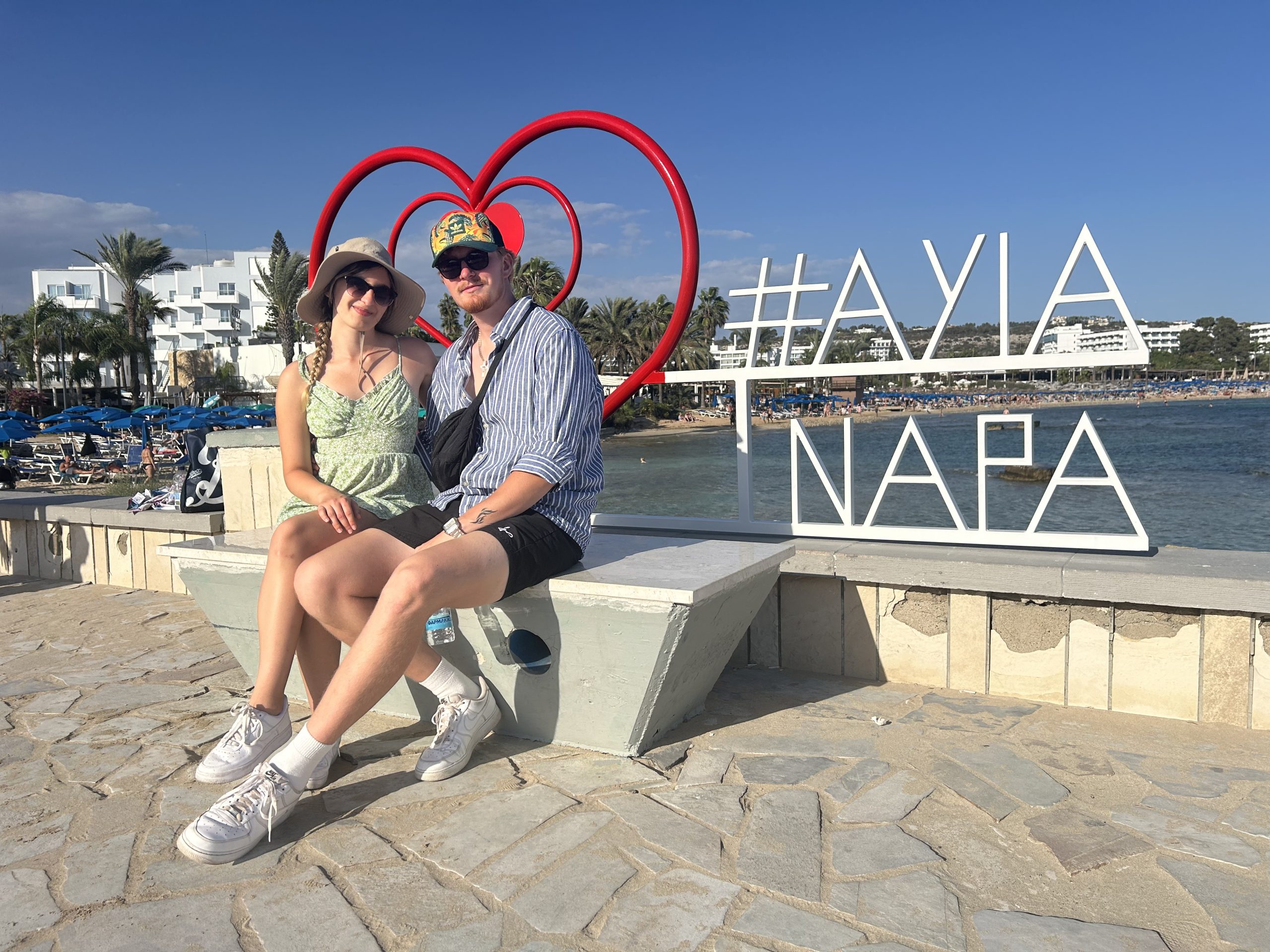
When Kauno kolegija Faculty of Business students Ula Jonaitytė and Vilius Žvaliauskas look back on their Erasmus+ experience in Cyprus, they talk about far more than just studying abroad. They recall everything that left a lasting impression on them in Larnaca: the warm climate, the scenery, the food, the lecturers, the small classrooms where lectures would quickly turn into conversations. Even the cats became part of the experience – one of those small, unexpected details that slowly make an unfamiliar place feel like home.
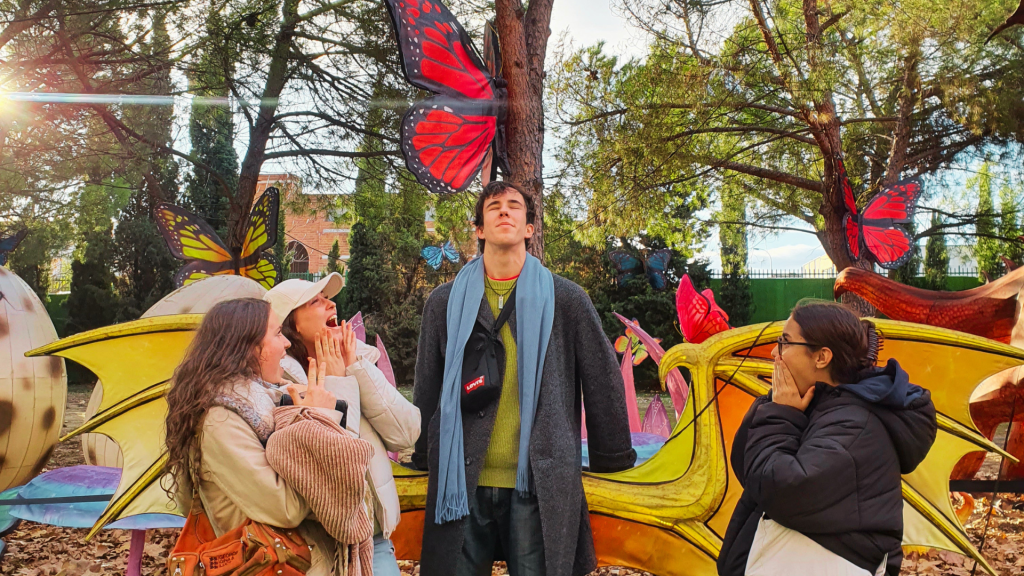
Meanwhile, Leticija Gailiūnaitė remembers Madrid through a completely different rhythm: music echoing across the university courtyard, Wednesday campus activities, meeting new people, and friendships that continued long after returning to Lithuania.
Different destinations, different cities, different paces of everyday life. Yet all three Kauno kolegija students keep returning to the same idea: Erasmus+ is not simply a semester in another country. It is an experience that may feel slightly intimidating at first, then gradually pulls you in, and eventually changes the way you see yourself, your studies, and your future opportunities.
Lectures that turned into conversations
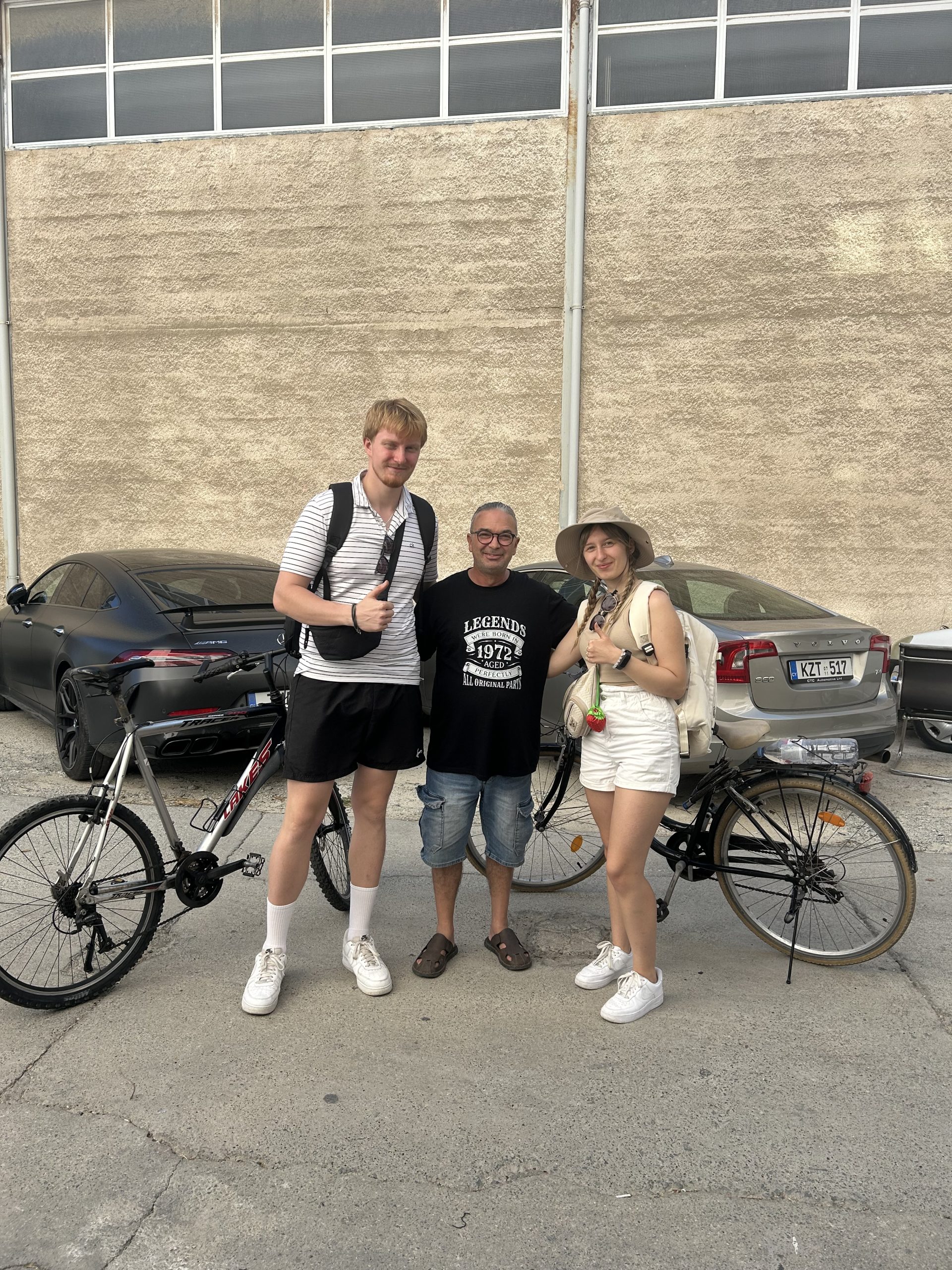
Third-year Sales and Marketing students Ula Jonaitytė and Vilius Žvaliauskas spent their autumn semester in Larnaca, Cyprus, at the American University of Cyprus. Initially, the destination was suggested to Ula because the study modules aligned particularly well with her programme, and later Vilius also had the opportunity to join her.
What began as an academic decision soon became a shared experience – one that involved handling paperwork together, adapting to a new country, and adjusting to a daily life that did not always resemble a holiday postcard.
One of the biggest surprises for both students was the atmosphere of studying in Cyprus. Classes usually consisted of only a small number of students, which quickly removed any formal distance between lecturers and students. Lecturers shared not only theoretical knowledge but also plenty of professional experience, business examples, and real-life situations.
‘It felt more like chatting within a group of friends than sitting in lectures. The classes seemed to fly by, even though we discussed so many different topics,’ Ula recalls, adding that the knowledge she gained will undoubtedly be valuable in the future.
Vilius also appreciated this style of learning. Small groups created space to ask questions, discuss ideas, and explore topics in depth, while even more difficult subjects became easier to understand when explained in everyday language.
Not everything was like a postcard
Of course, Cyprus was not only blue skies and warm winters. The students quickly realised that living on the island without a car could be challenging, public transport seemed to follow its own logic, tap water was best avoided, and plans to cycle could easily be ruined by thorns scattered along the roadside. Yet these are exactly the kinds of details that later become the best stories.
‘This experience really strengthened my self-discipline because I tried to become more productive every single day,’ says Vilius, adding that Erasmus+ became a personal turning point for him.
‘Now I value education and the quality of studies much more, and I can see that reflected in both my grades and my knowledge. Before Erasmus+, I looked at life more superficially. Afterwards, I gave up unhealthy habits, started exercising, eating more healthily, and becoming more productive. In short – I fell in love with life,’ he says.
Wednesdays in Madrid felt like a festival
Digital and Creative Communication student Leticija Gailiūnaitė chose Spain for her Erasmus+ semester abroad. More specifically, she was deciding between Belgium and Spain, and, as she admits herself, the weather ultimately made the decision for her. Madrid won.
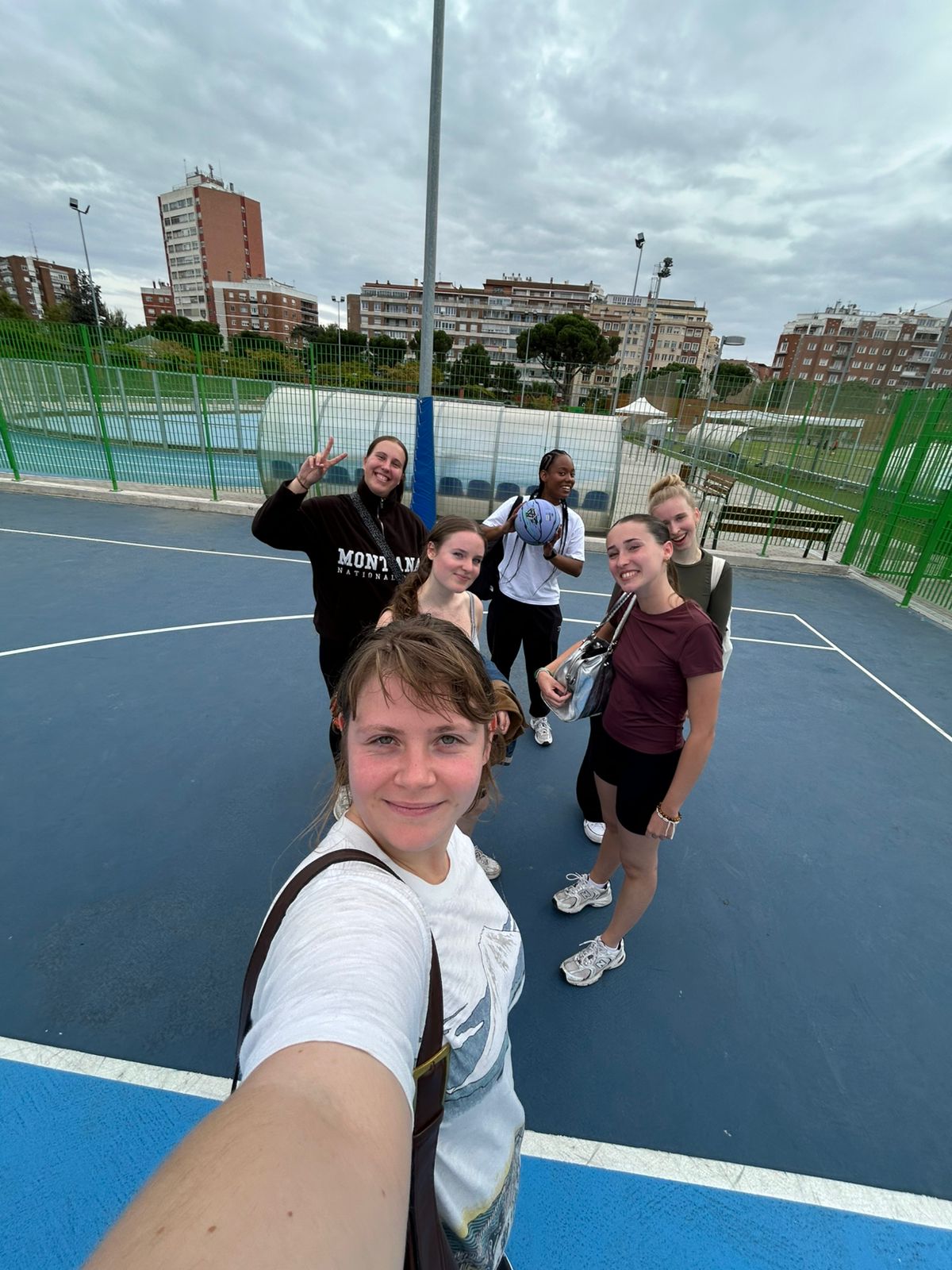
At Villanueva University, what drew her in most was the sense of community. Wednesdays in particular stood out, as the university regularly organised activities including games, music, ice cream stands, hot dogs, student clubs, and even a mechanical bull. While it may sound purely entertaining, for Leticija it became the quickest way to meet new people.
‘What I loved most was building friendships with people from different countries, and those connections have remained strong to this day,’ she says.
Stereotypes that disappear once you leave
All three students mention the stereotypes people often associate with Erasmus+. That communication abroad will be difficult. That paperwork will be overwhelming. That Erasmus+ is only about travelling and parties.
Leticija smiles at this idea: yes, there were parties, and yes, there was travelling. But there were also lectures, assignments, preparation, and studying. In her experience, studying at Villanueva University was actually quite similar to studying in Lithuania – some classes were more demanding, others easier, and students were given both theoretical knowledge and practical tasks.
‘I had plenty of fun adventures and parties, but both my friends and I genuinely enjoyed learning and preparing for assessments,’ she says.
Ula points out another common myth – that studying abroad is too expensive. Her experience proved otherwise: the scholarship covered accommodation, food, entertainment, travel, and she even managed to bring some savings back home. In her view, financial concerns should not discourage students from applying.
The fear stays, but you move forward anyway
When asked what advice they would give to students considering Erasmus+, all three answer surprisingly simply. Not with advice about perfect preparation or waiting for the ideal moment, but about making the decision itself.
‘The most important thing is moving from thinking about it to actually registering,’ says Vilius.
‘Don’t overthink it – just apply,’ adds Ula.
Leticija has her own version: ‘If the fear does not disappear, do it with the fear anyway.’
When a semester abroad becomes the start of personal growth
Erasmus+ rarely ends with simply returning home. For some, it brings lifelong friendships. For others, greater self-confidence. And for many, it becomes the beginning of changing everyday habits, attitudes towards studies, or even career ambitions.
‘From a career perspective, I realised there are far more opportunities than I had imagined. During the trip I met students working remotely, organising their own schedules, and some people my age already had their own businesses. It showed me that everything is possible if you are willing to put in the effort,’ says Ula, before adding: ‘When you discover something completely new, you realise just how much of the world you still have not seen.’
Perhaps that is why these stories are not really only about Cyprus or Spain. They are about the moment when a student leaves with doubts and returns with a much broader map of the world in their mind.
And with one very clear understanding: sometimes the most important changes begin with the decision to embrace an opportunity that opens the door to entirely new paths, connections, and the courage to grow.