Kauno kolegija builds ties with Mexican universities: first cooperation agreements signed
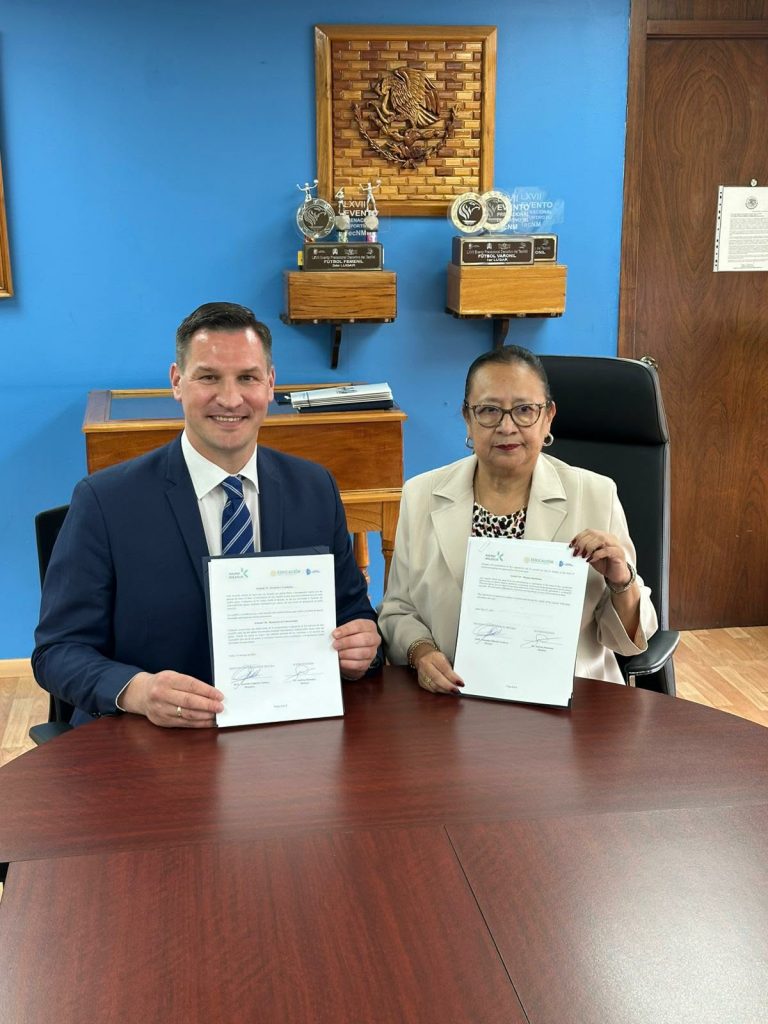
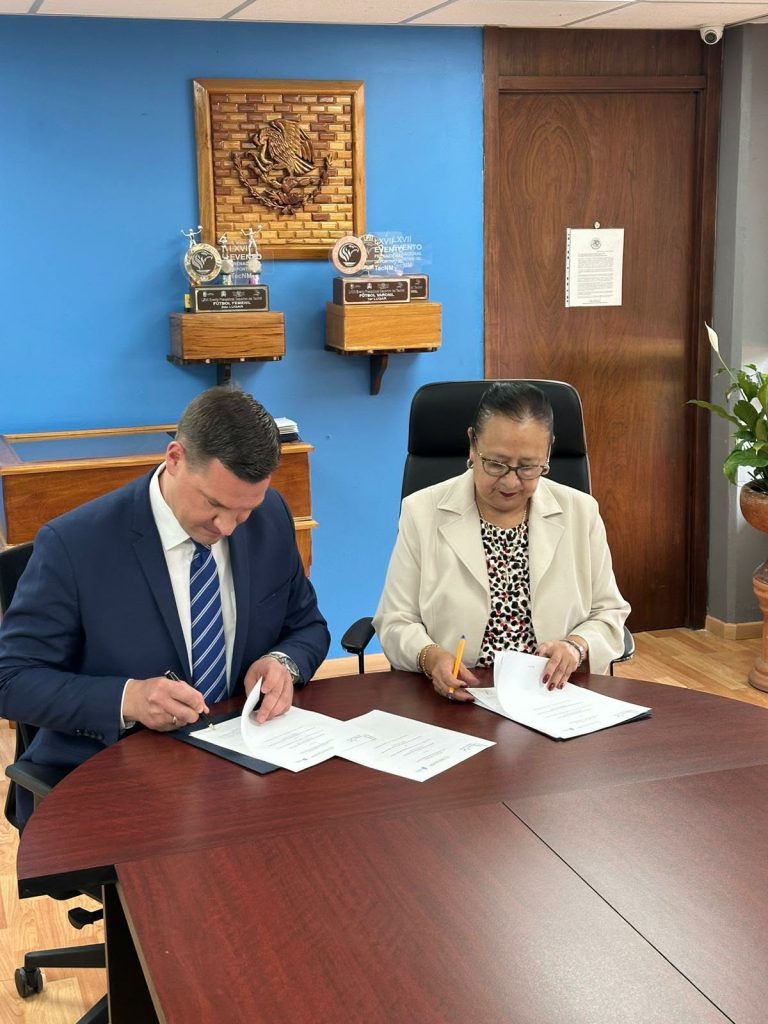
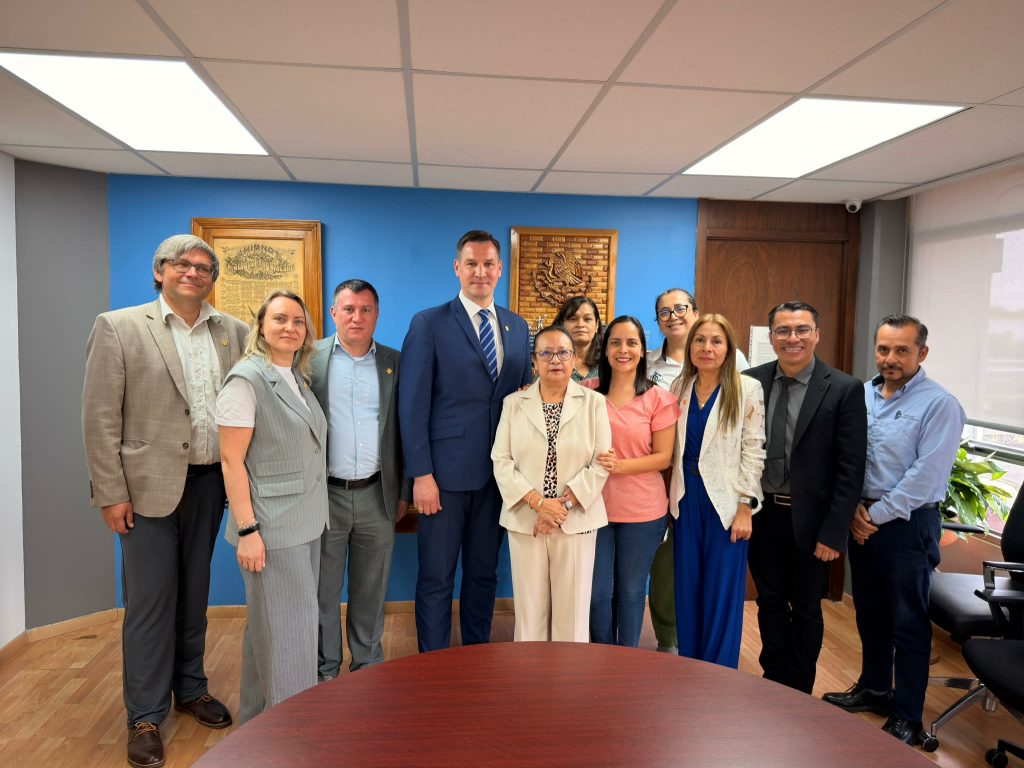
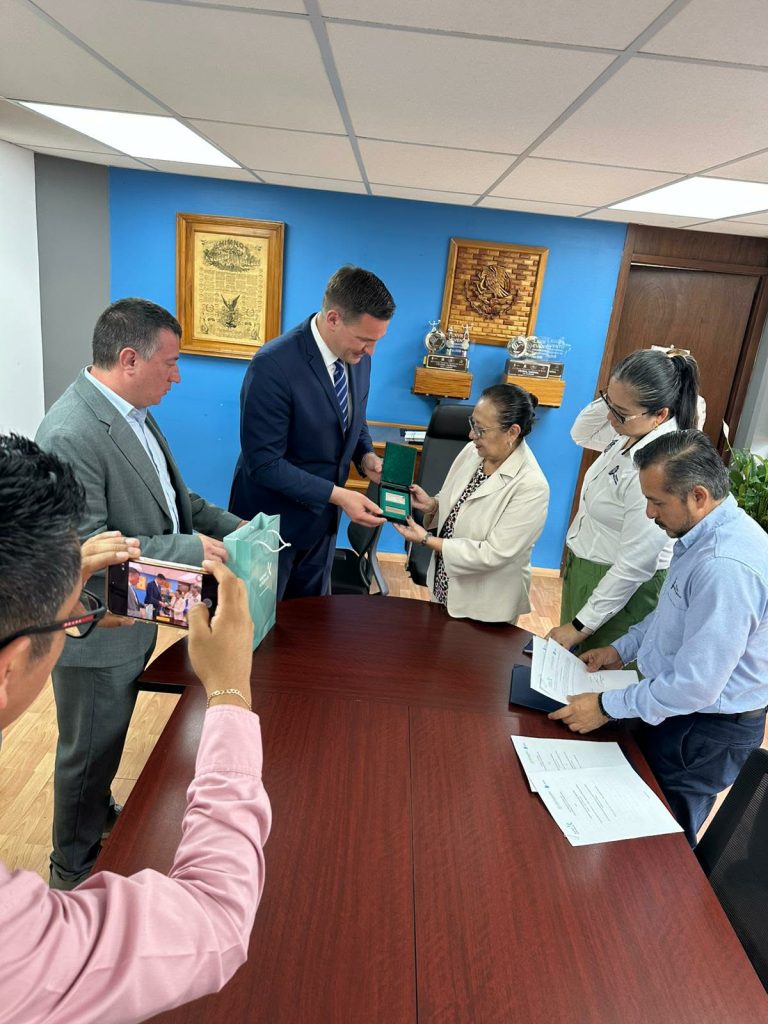
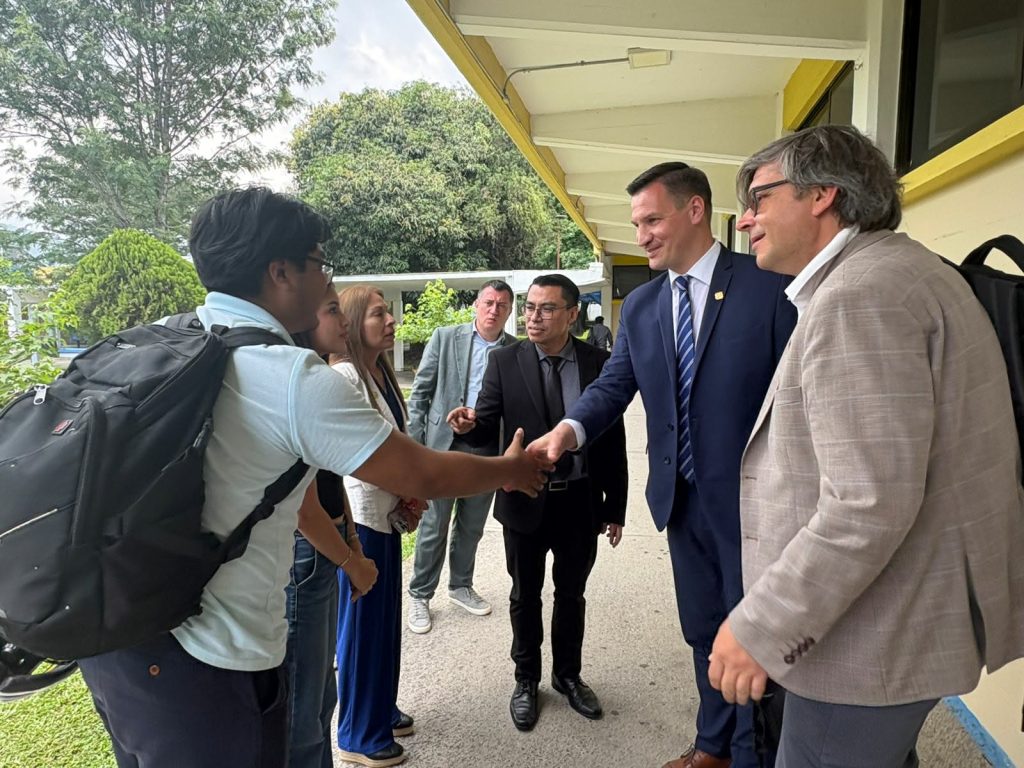
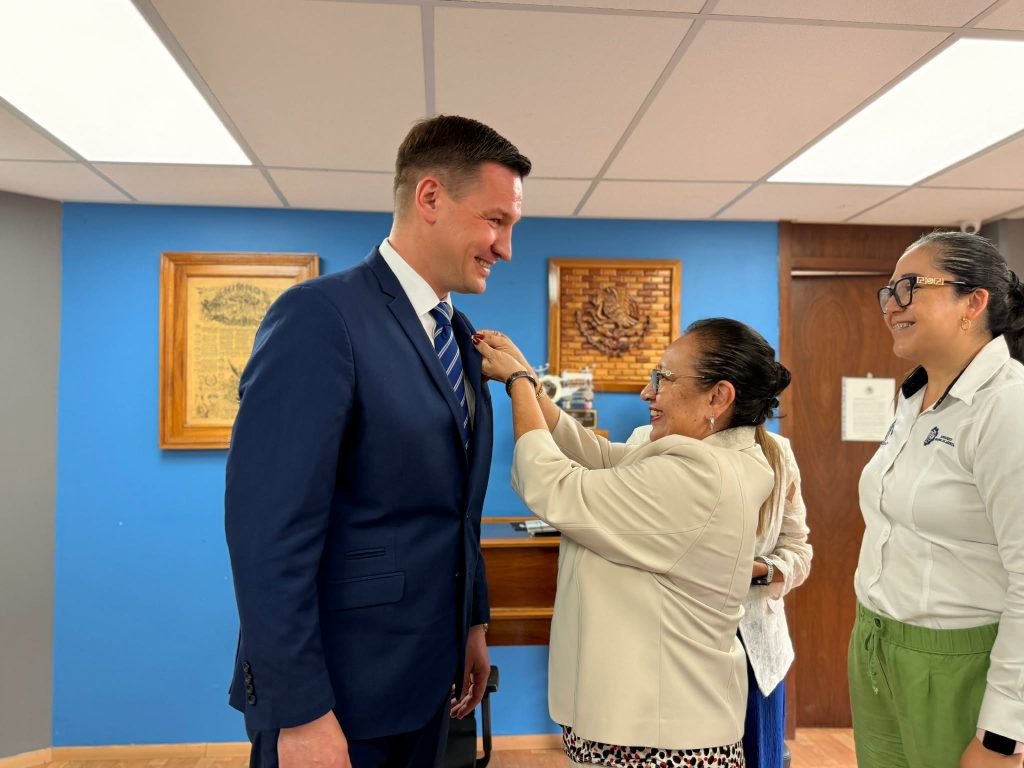
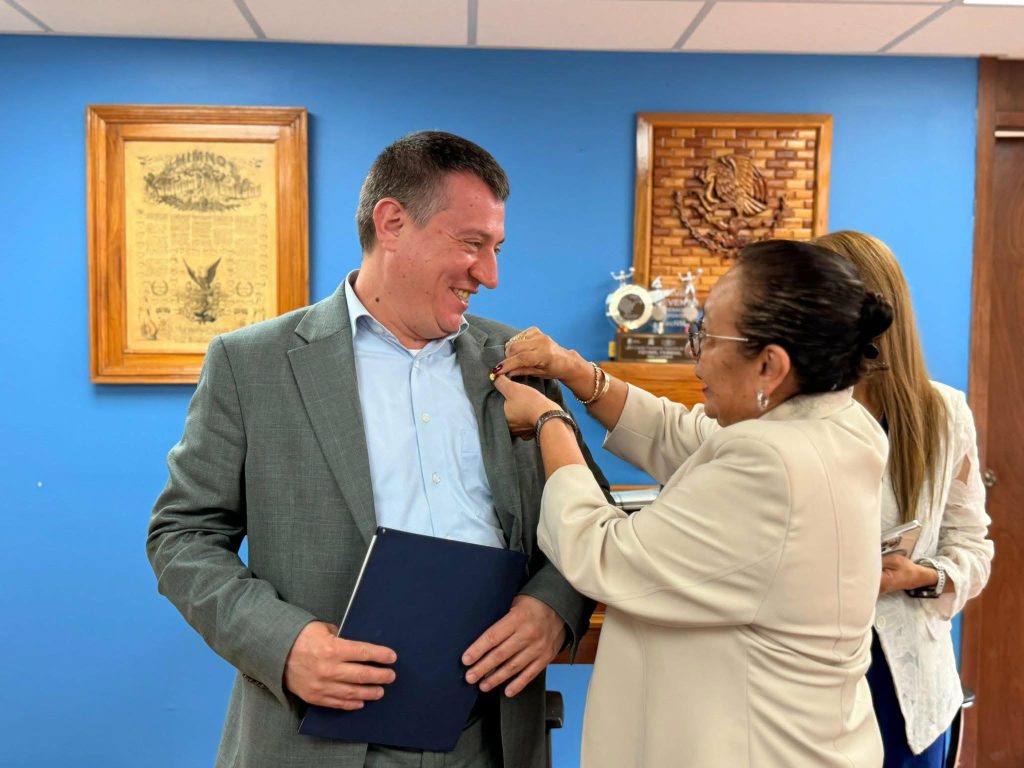
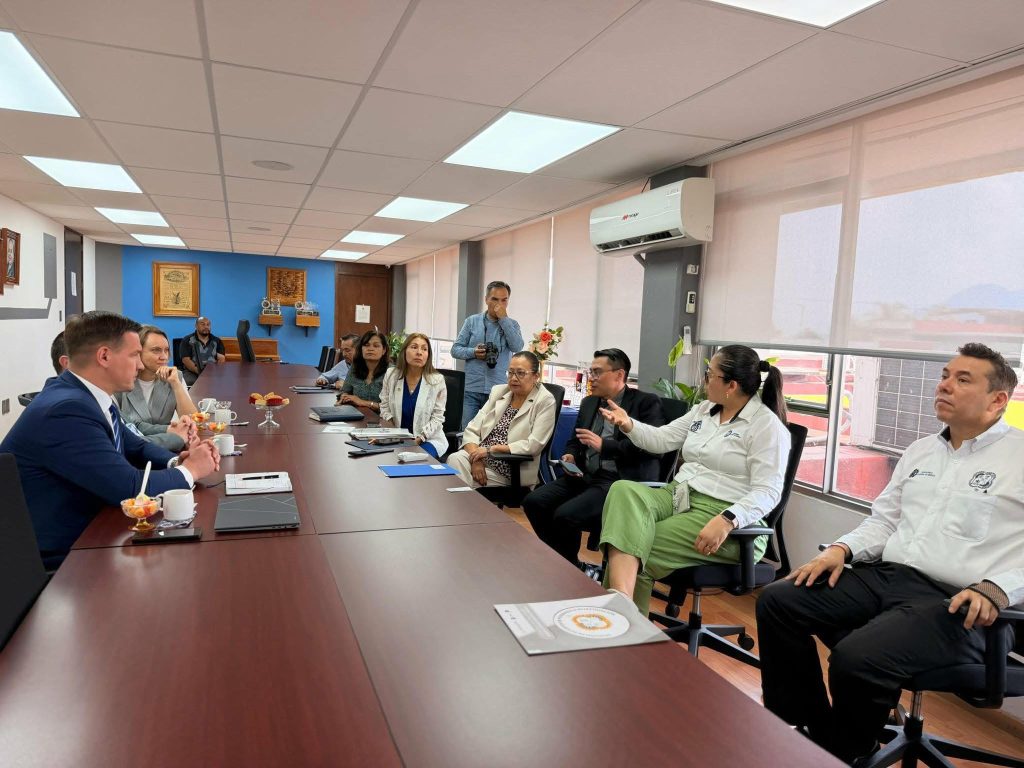
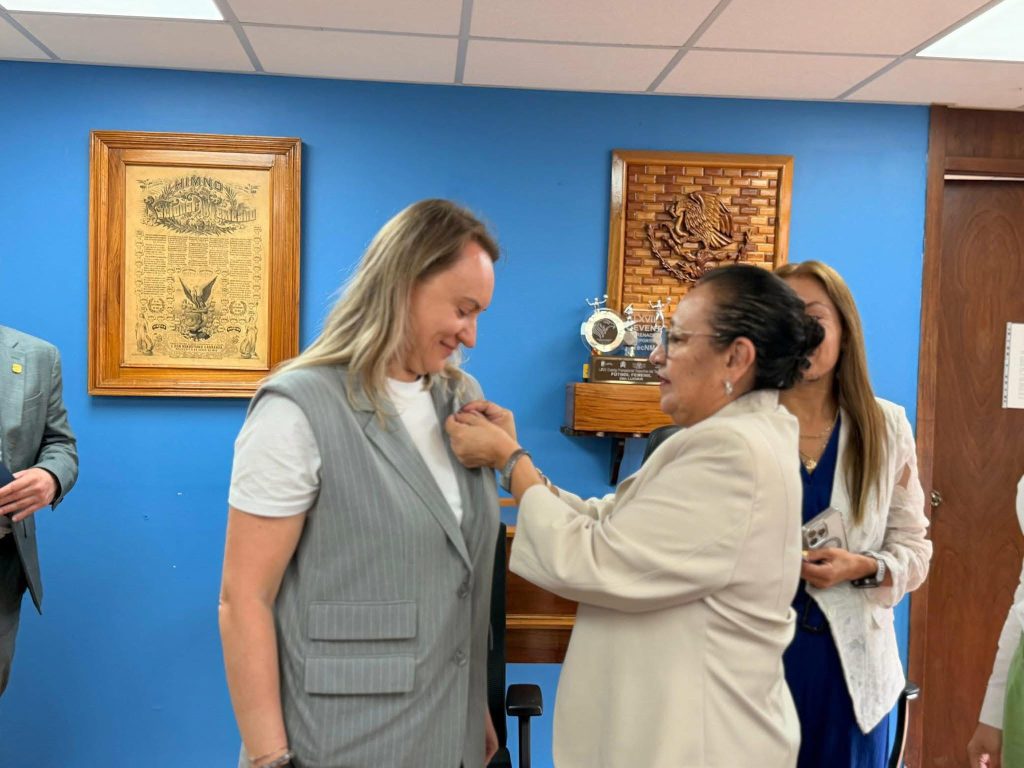
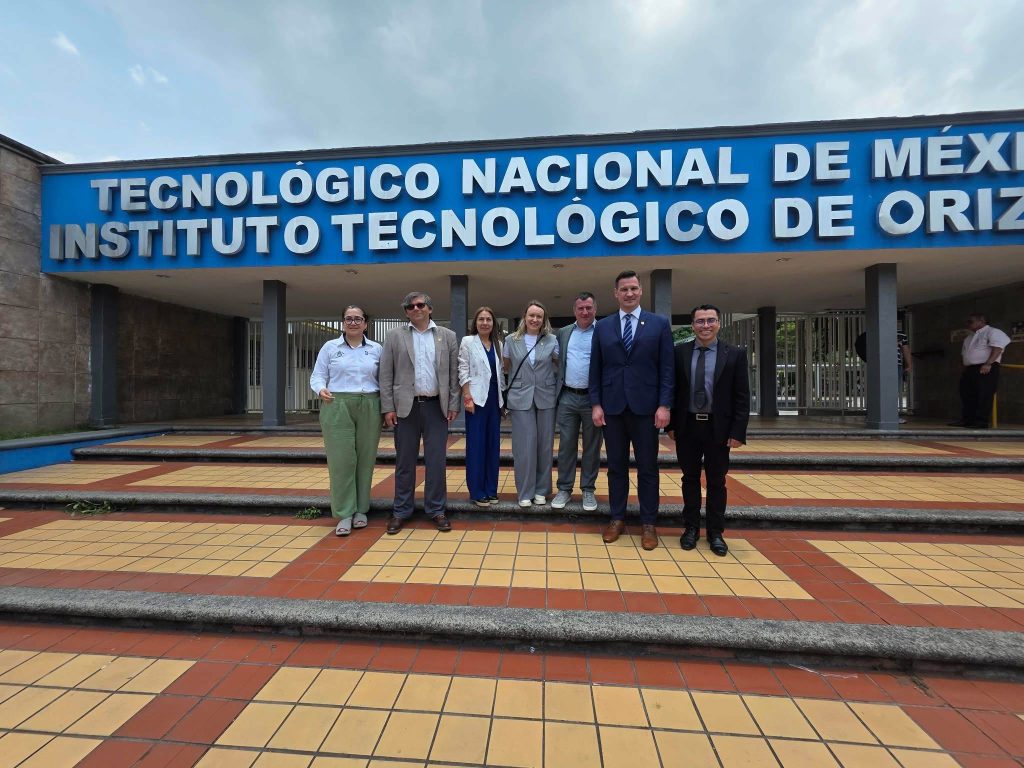
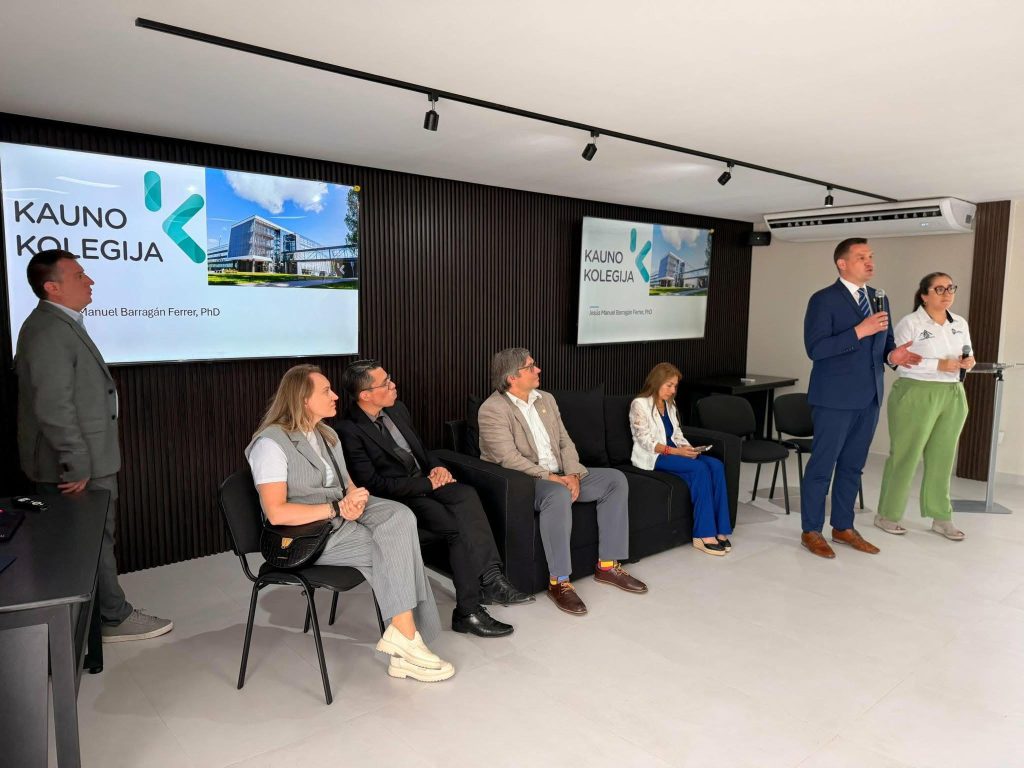
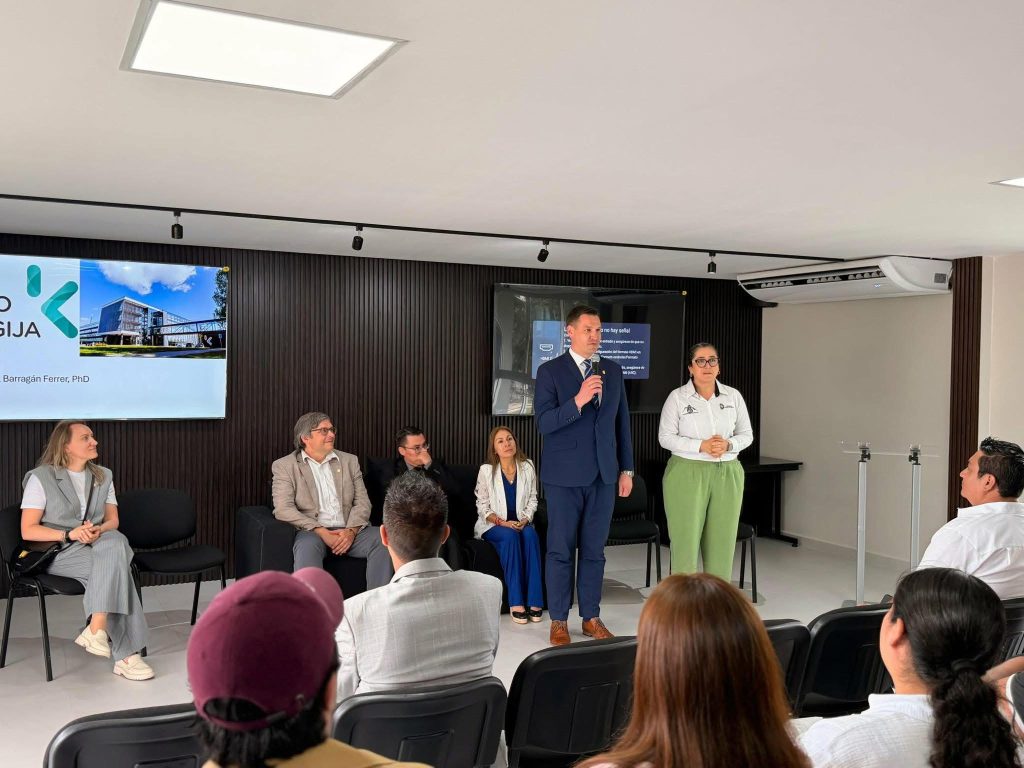
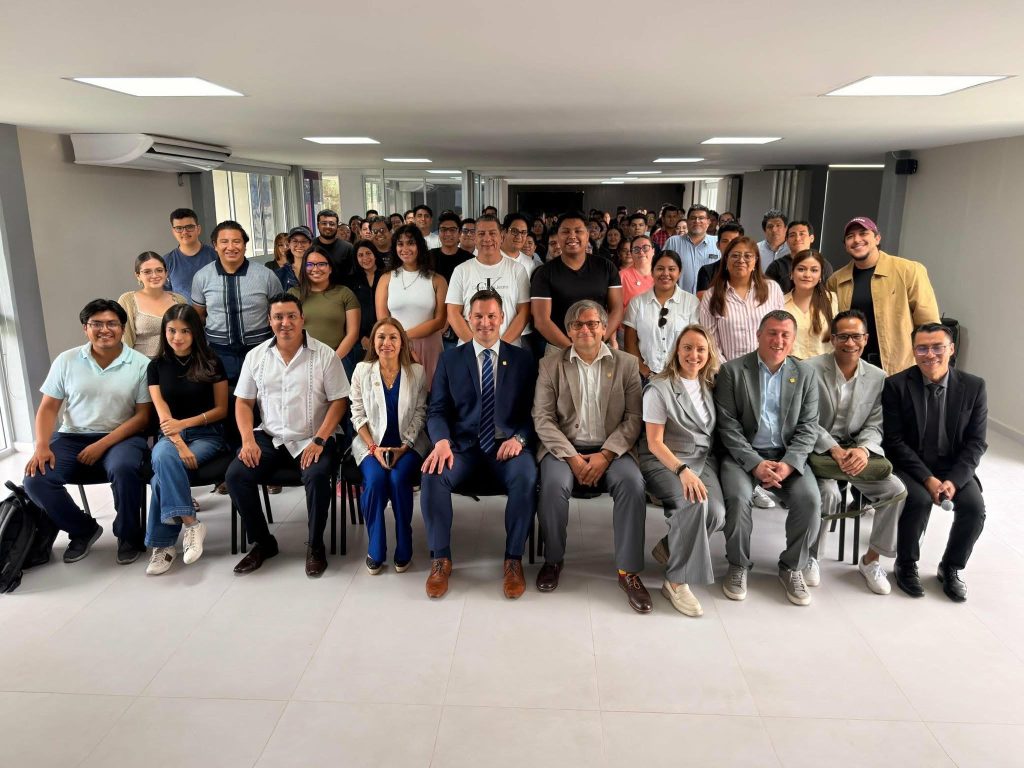
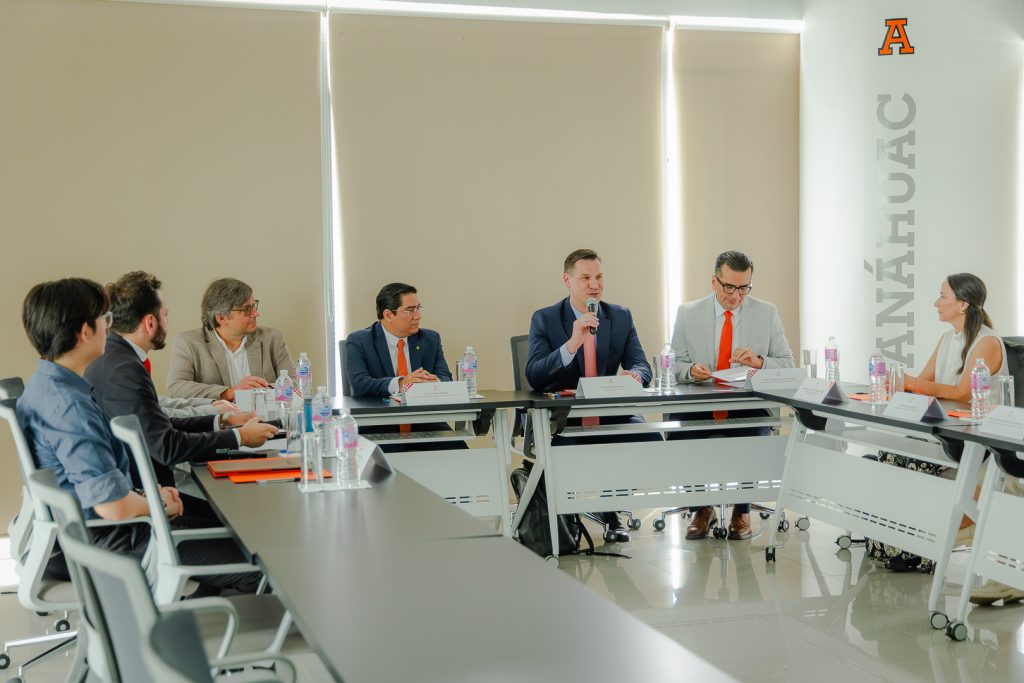
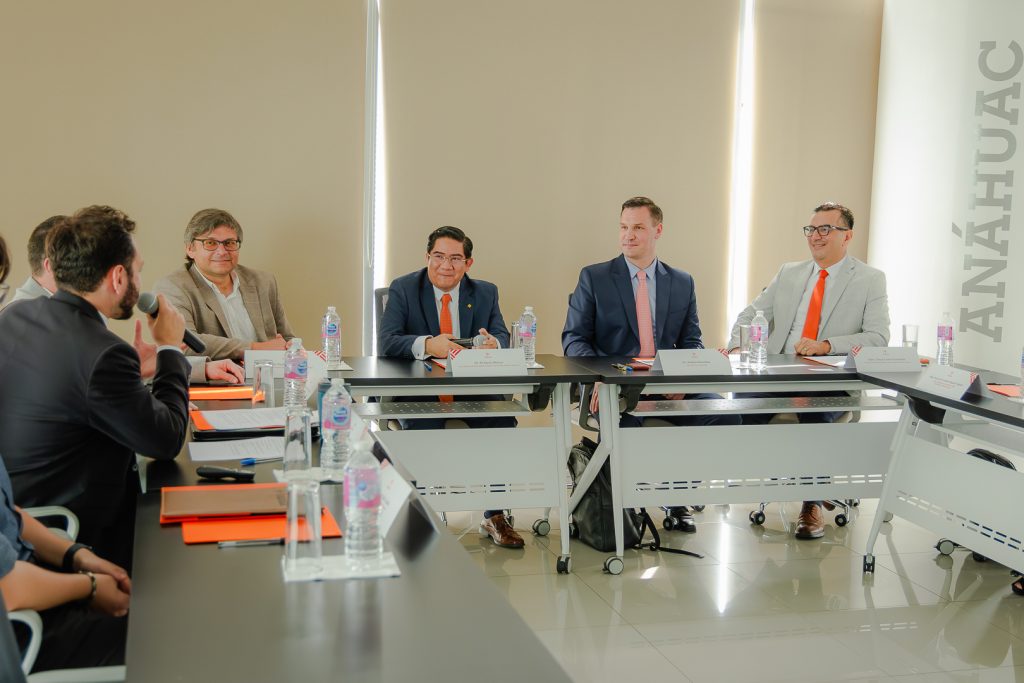
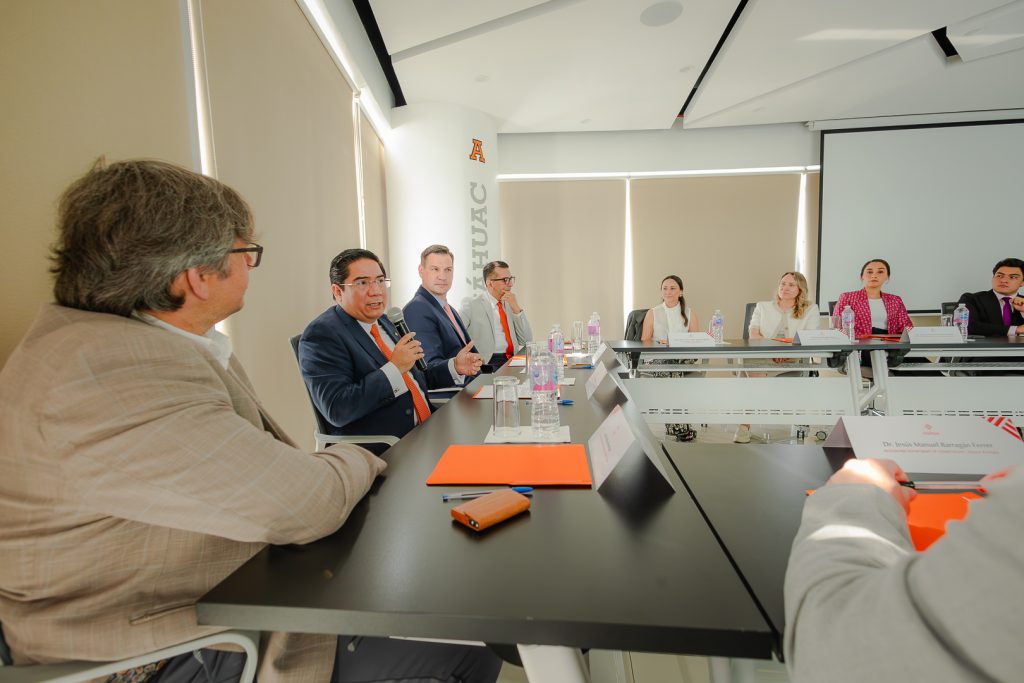
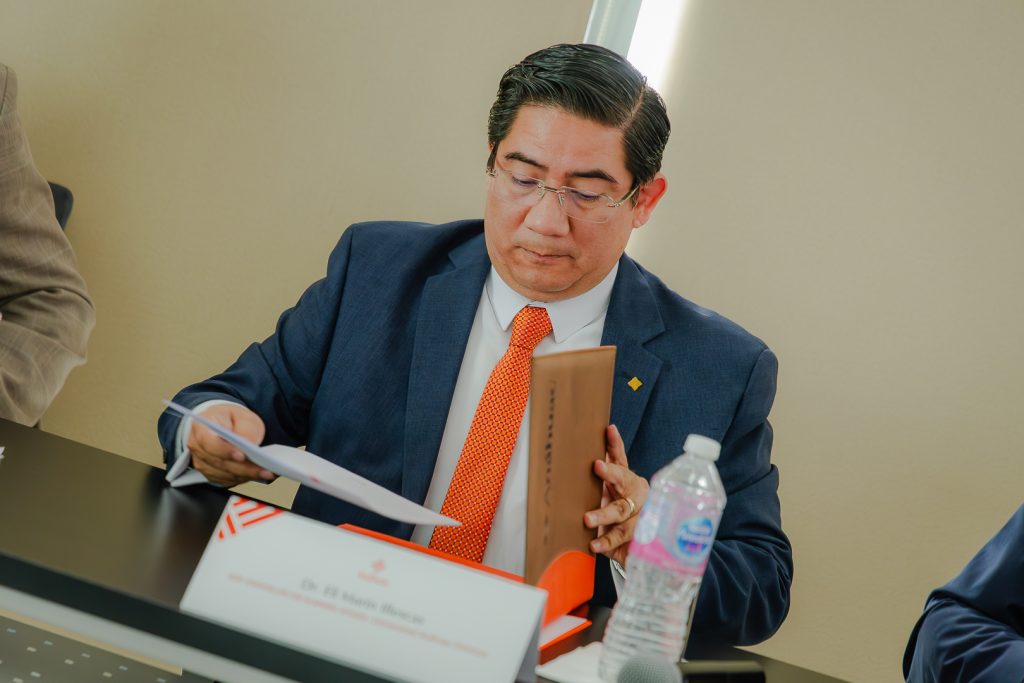
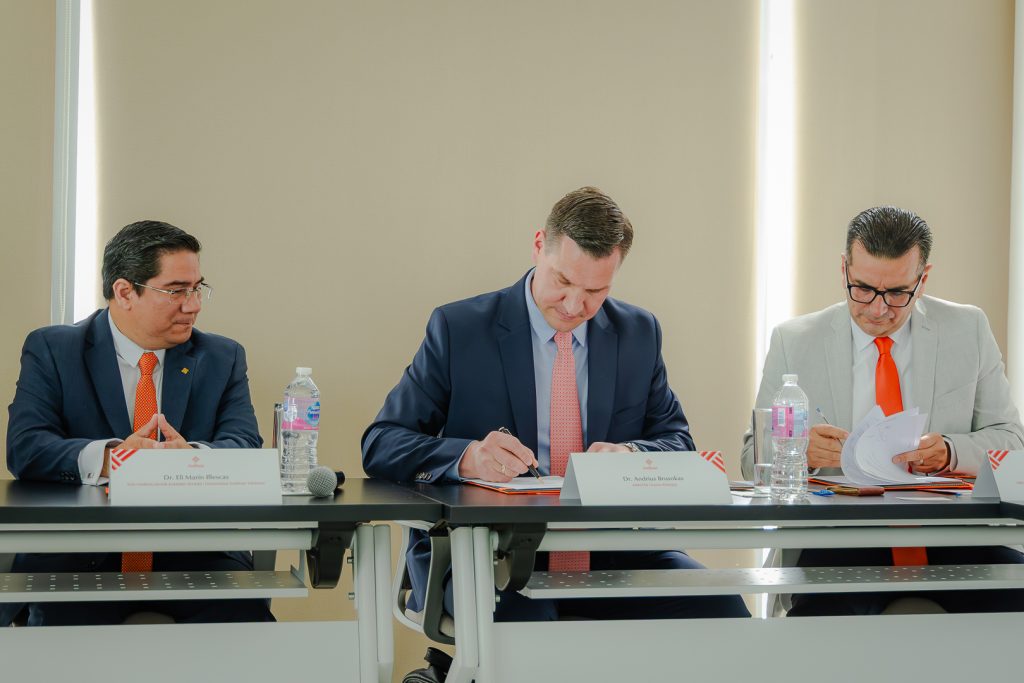
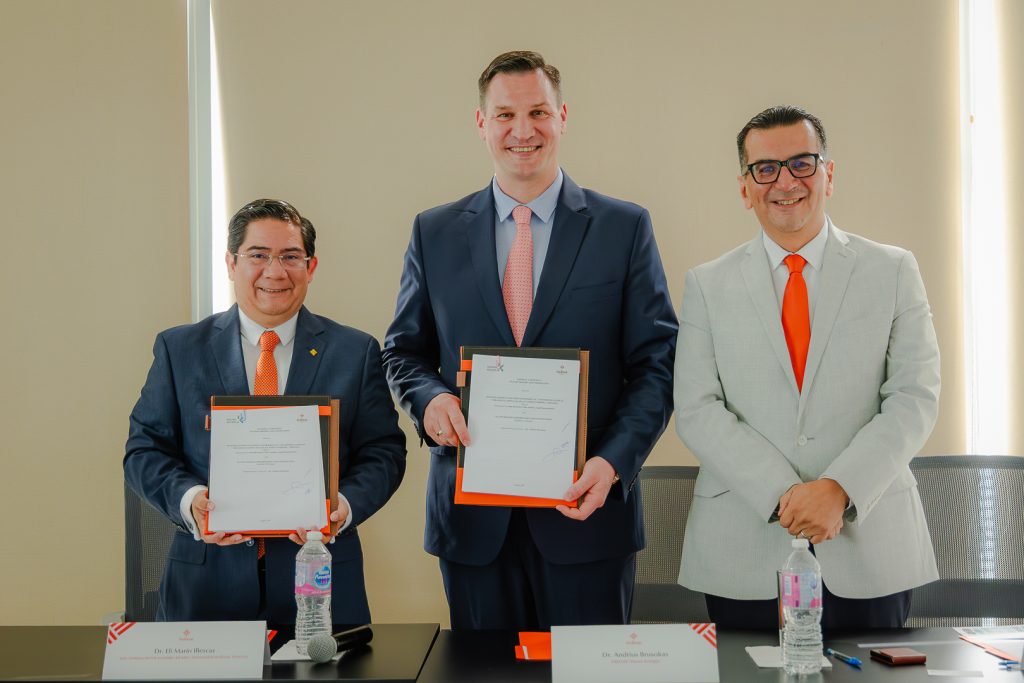
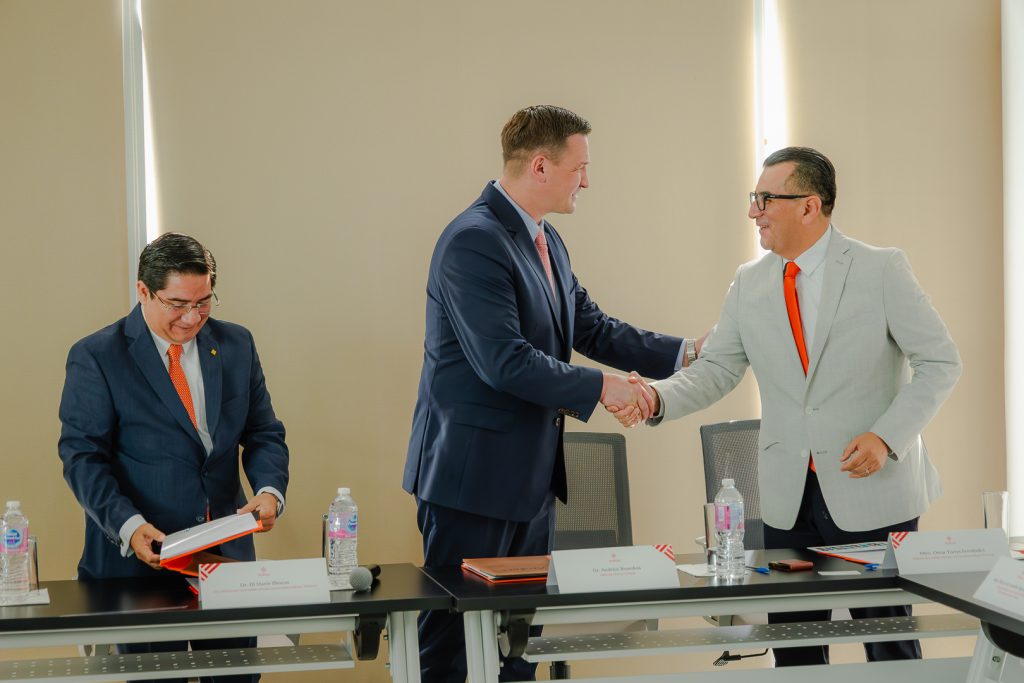
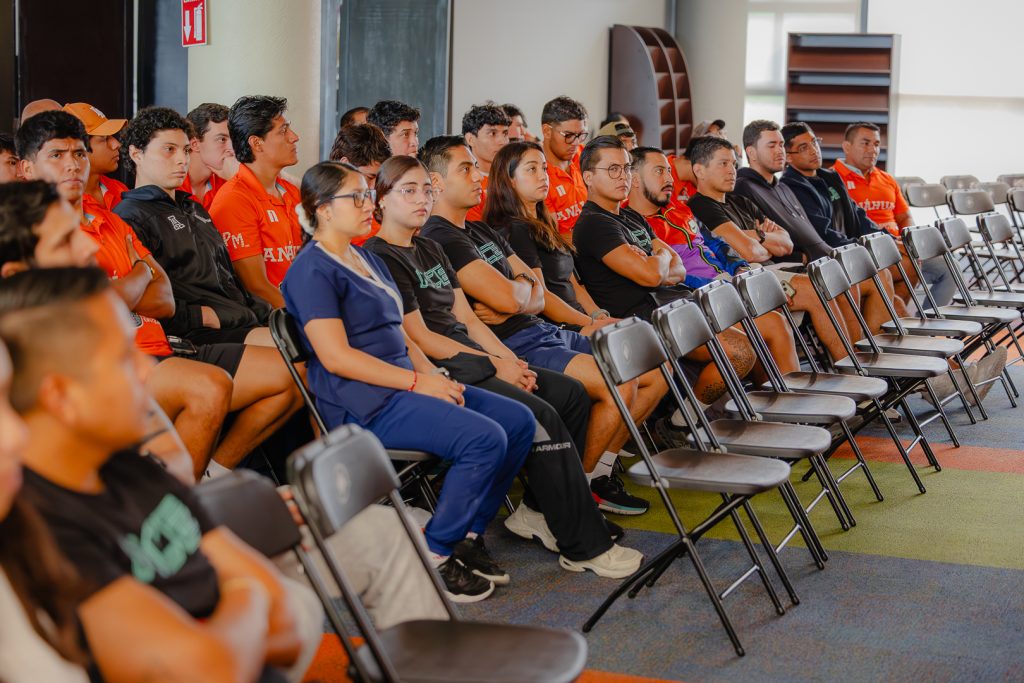
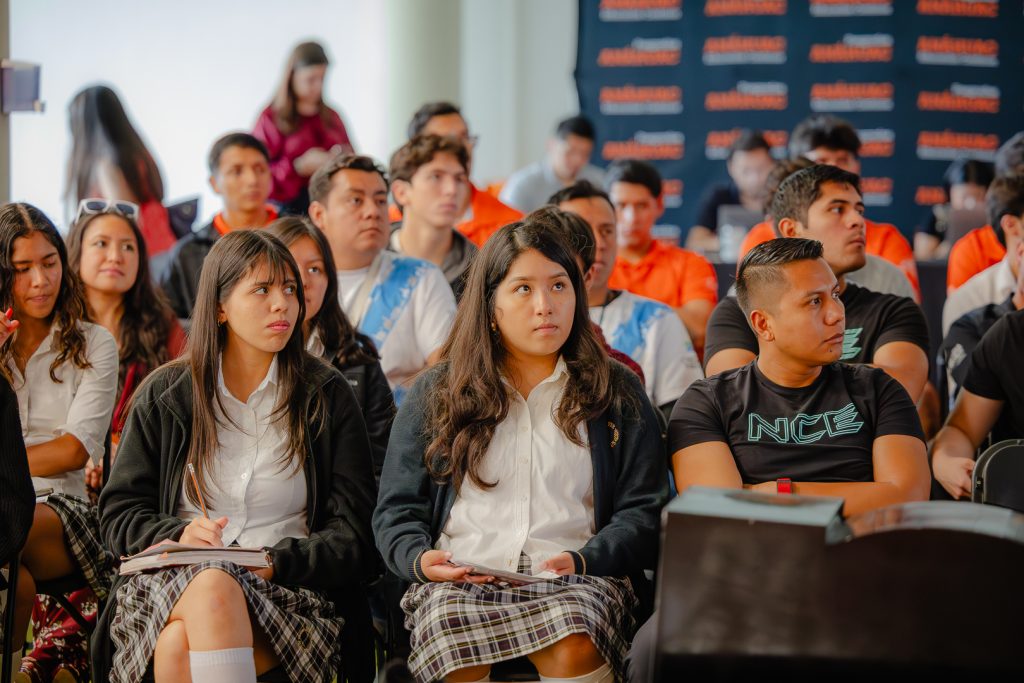
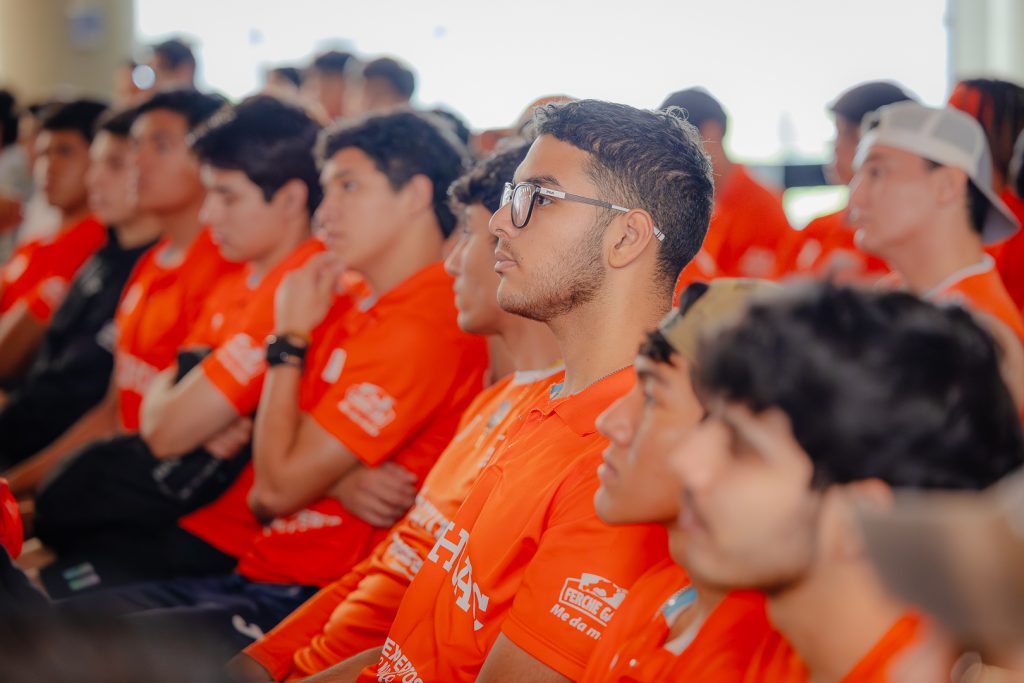
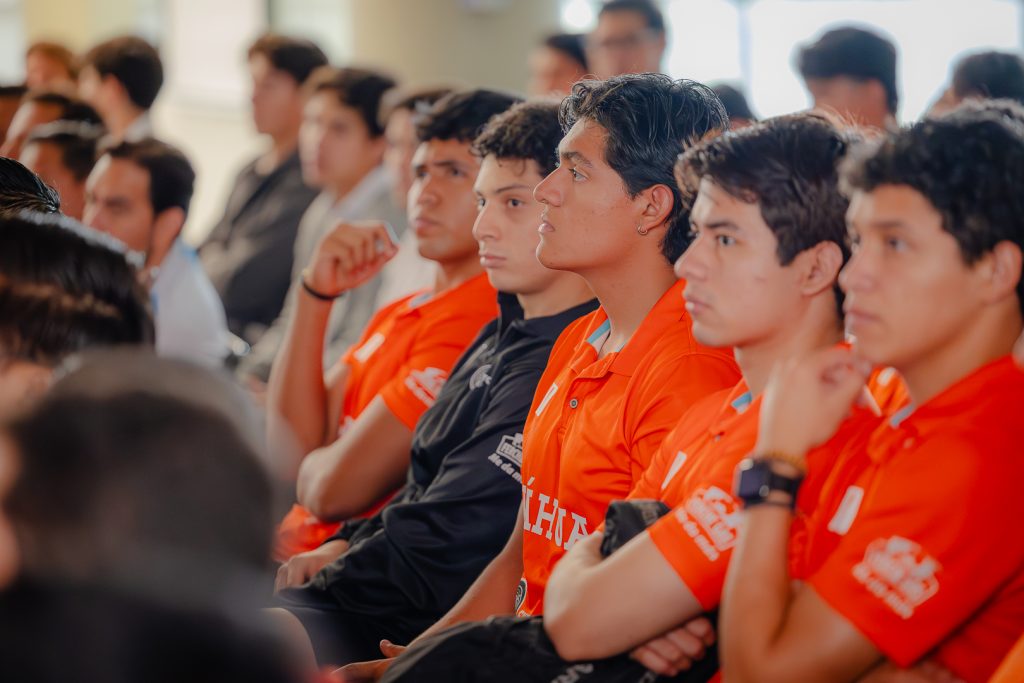
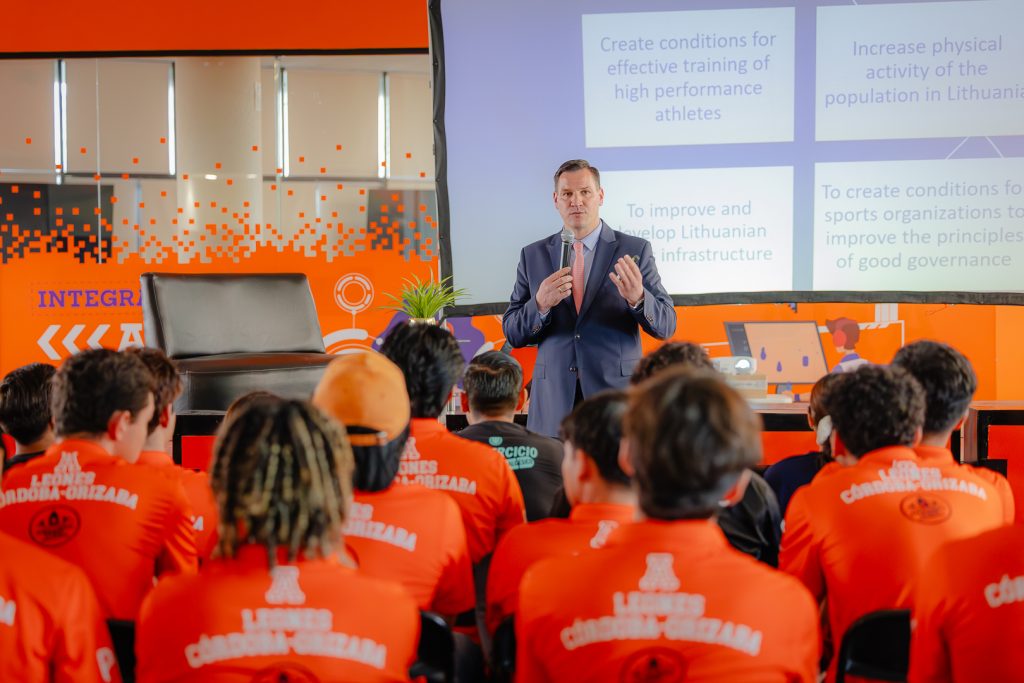
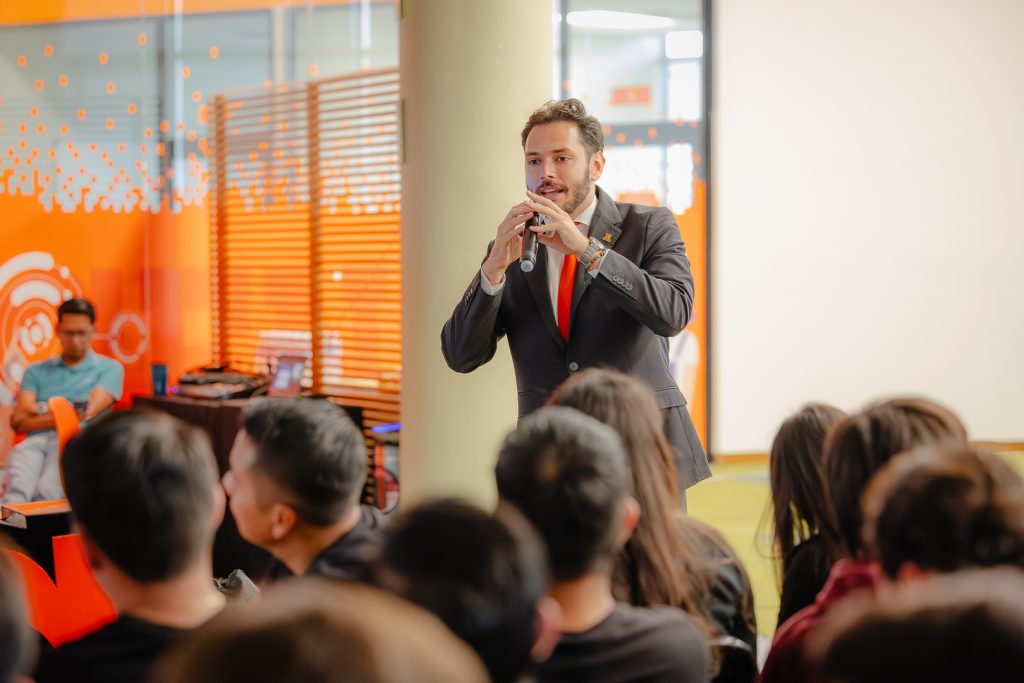
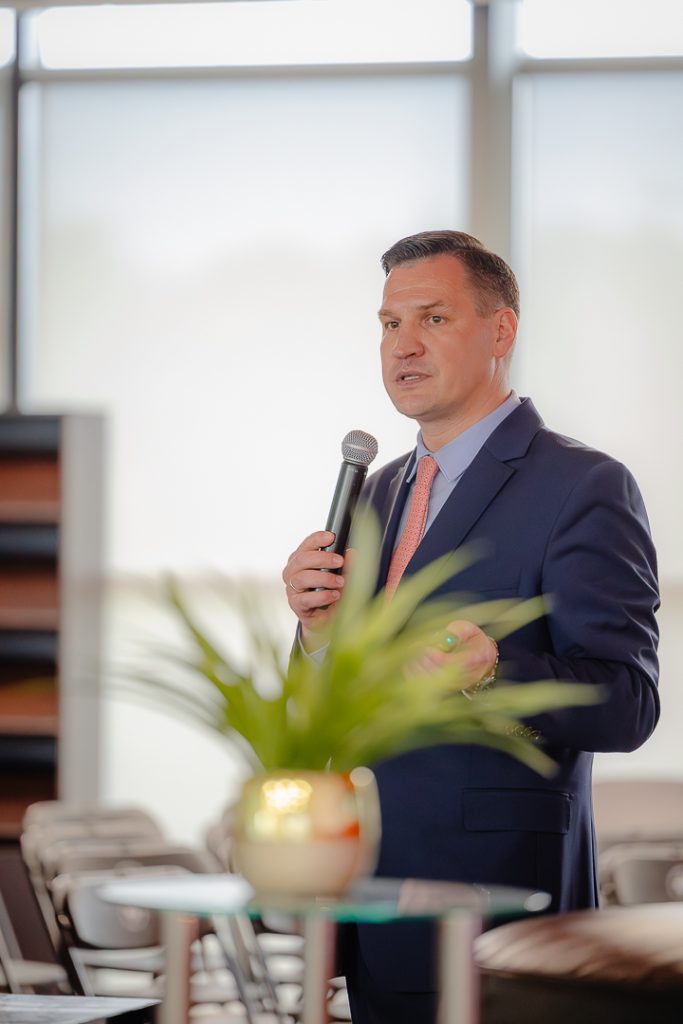
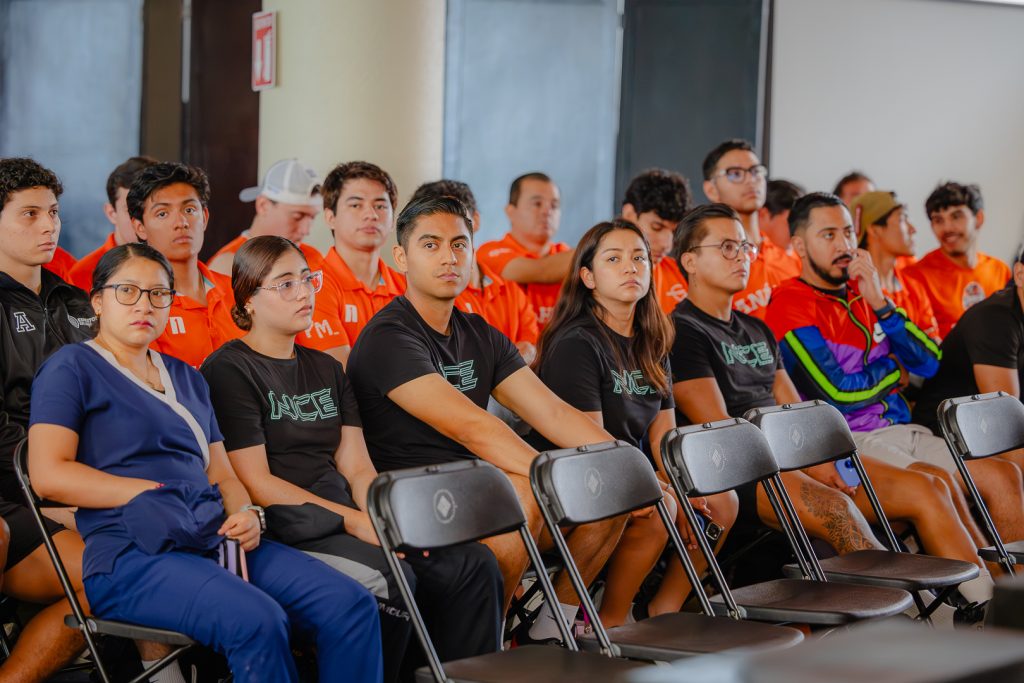
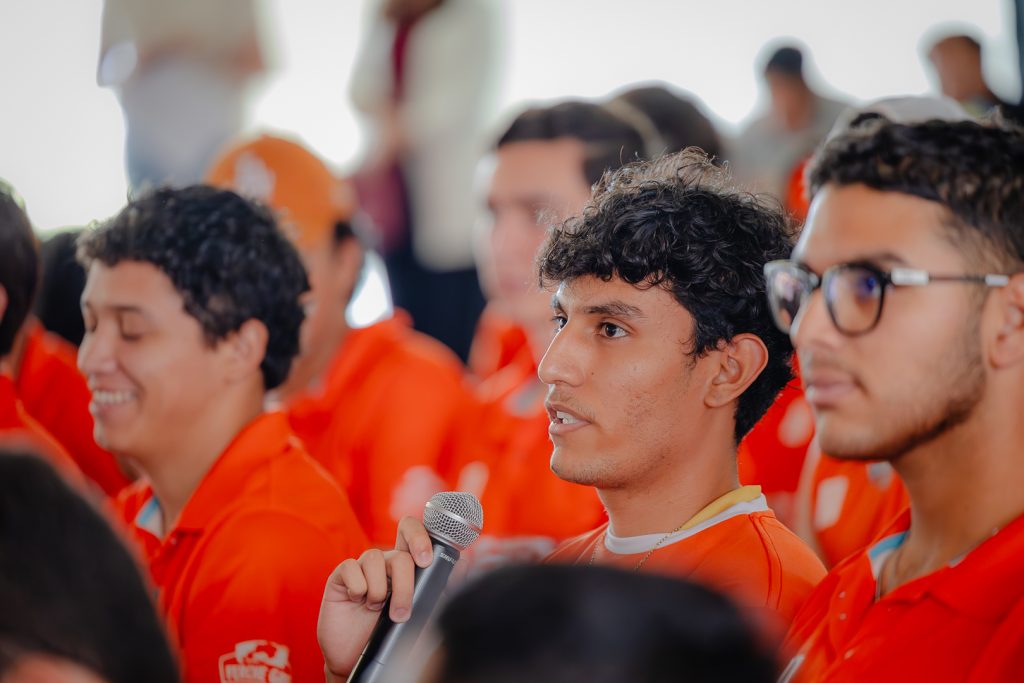
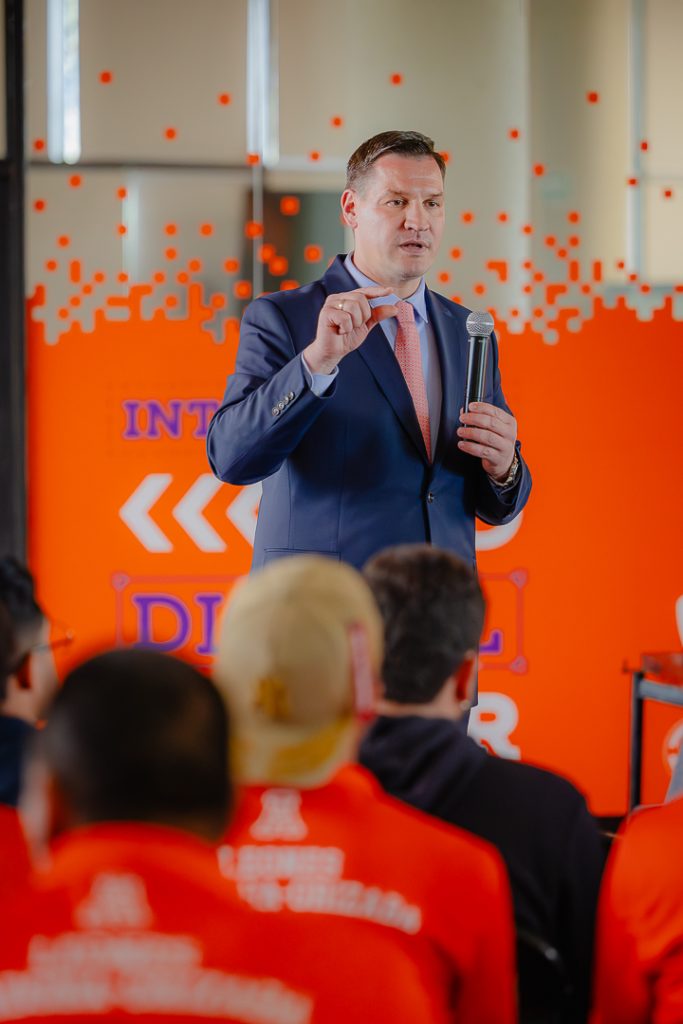
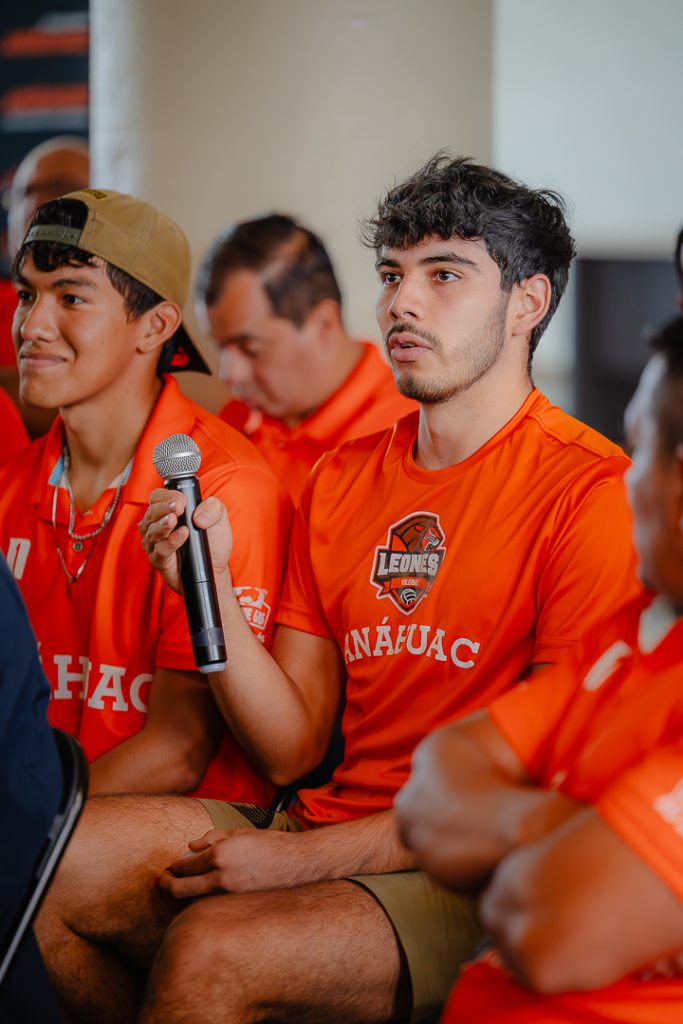
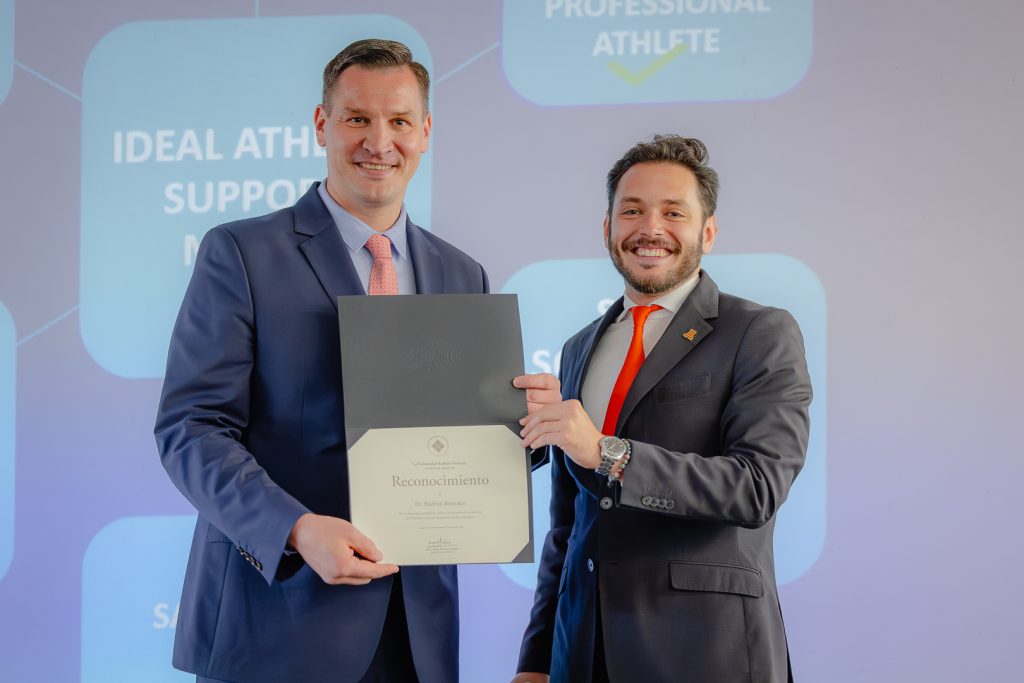
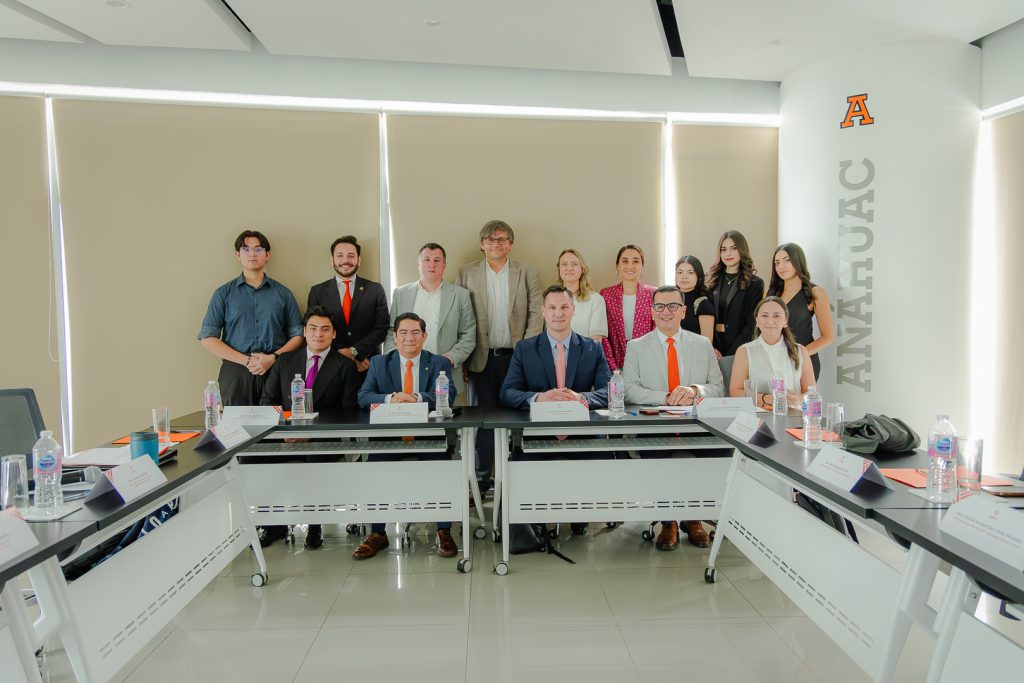
Kauno kolegija Higher Education Institution has organised its first visit to Mexico, where the first cooperation agreements in this region were signed with Universidad Anáhuac Veracruz and Tecnológico Nacional de México Campus Orizaba.
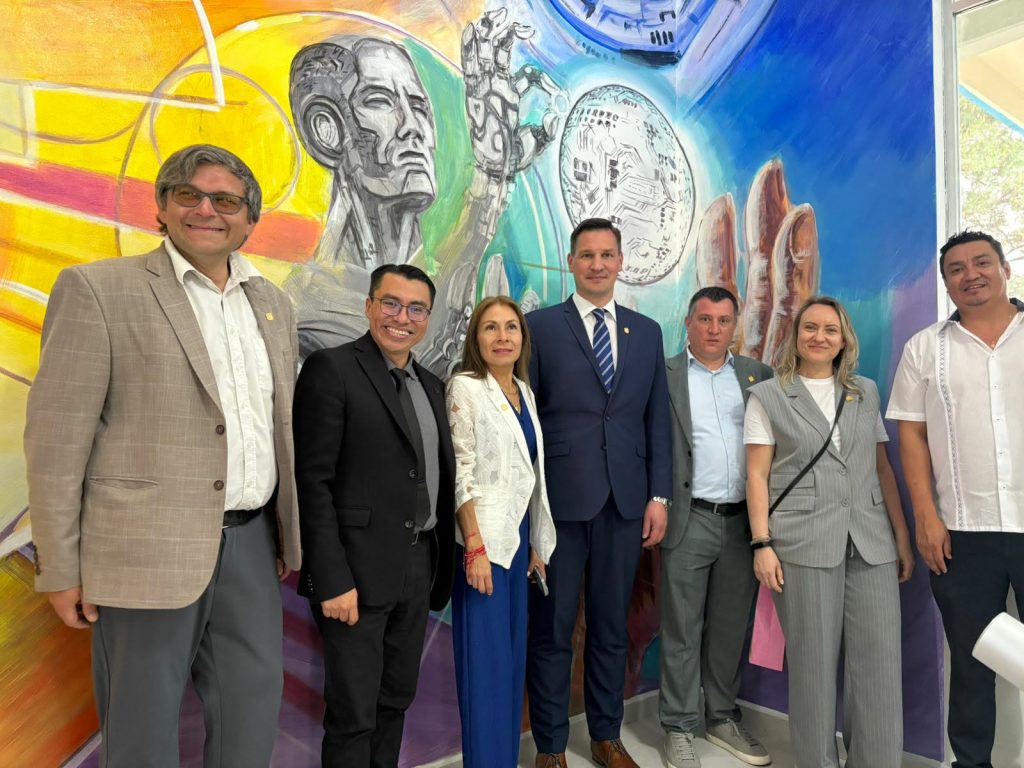
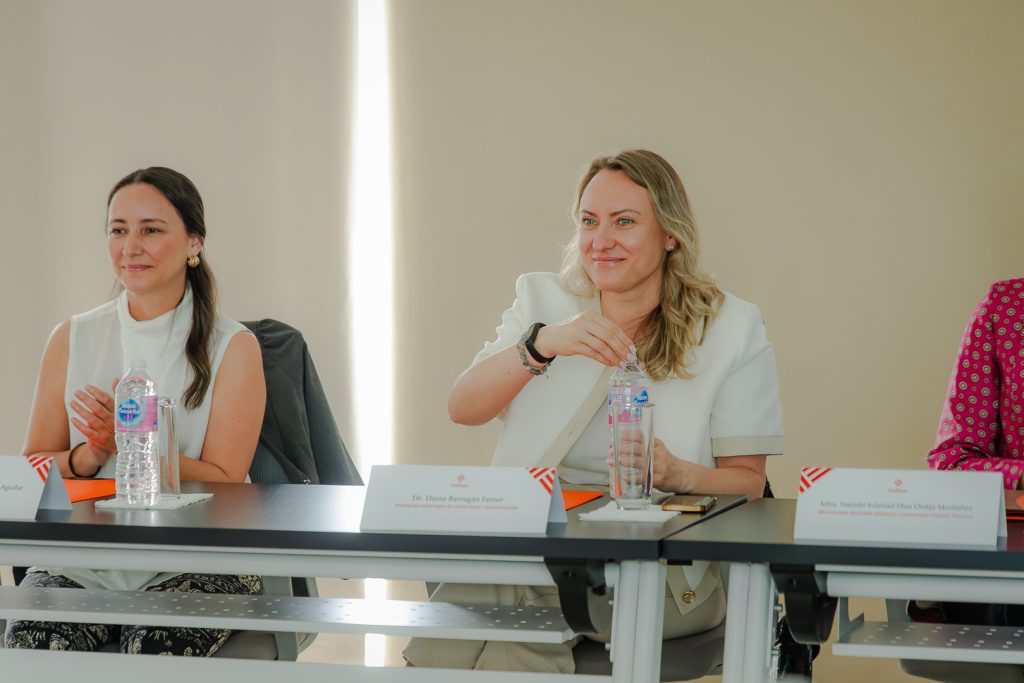
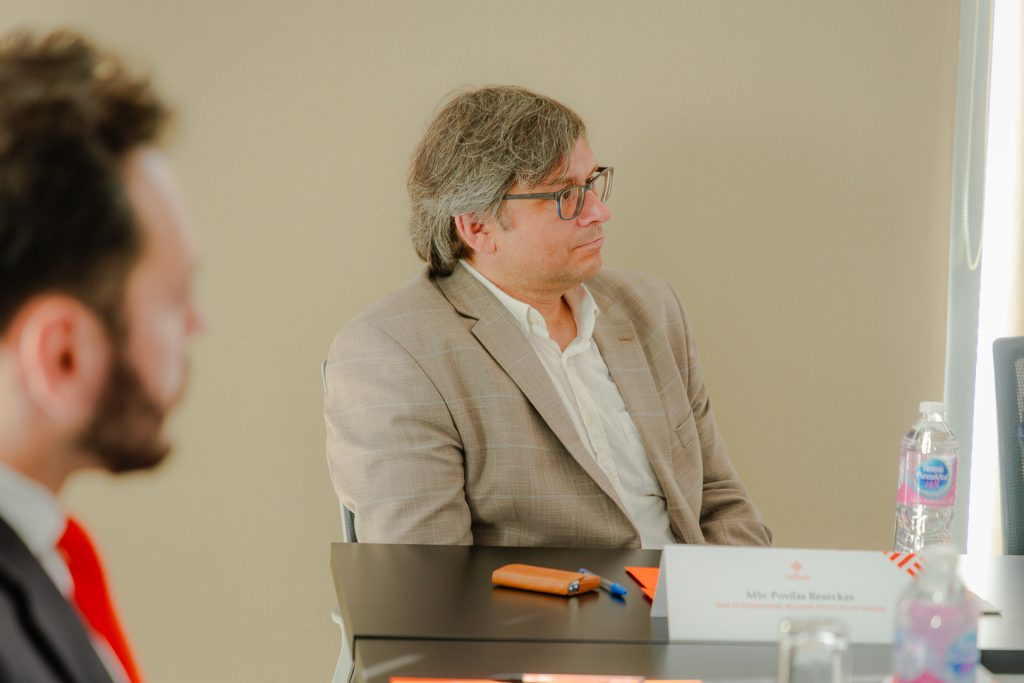
The Kauno kolegija delegation – Director Dr Andrius Brusokas, Head of the International Relations Unit Povilas Beseckas, and researchers Assoc. Prof. Dr Diana Barragan-Ferrer and Jesus Manuel Barragan-Ferrer – discussed further cooperation opportunities in the fields of cyber security, logistics, medical technologies, and applied scientific research.
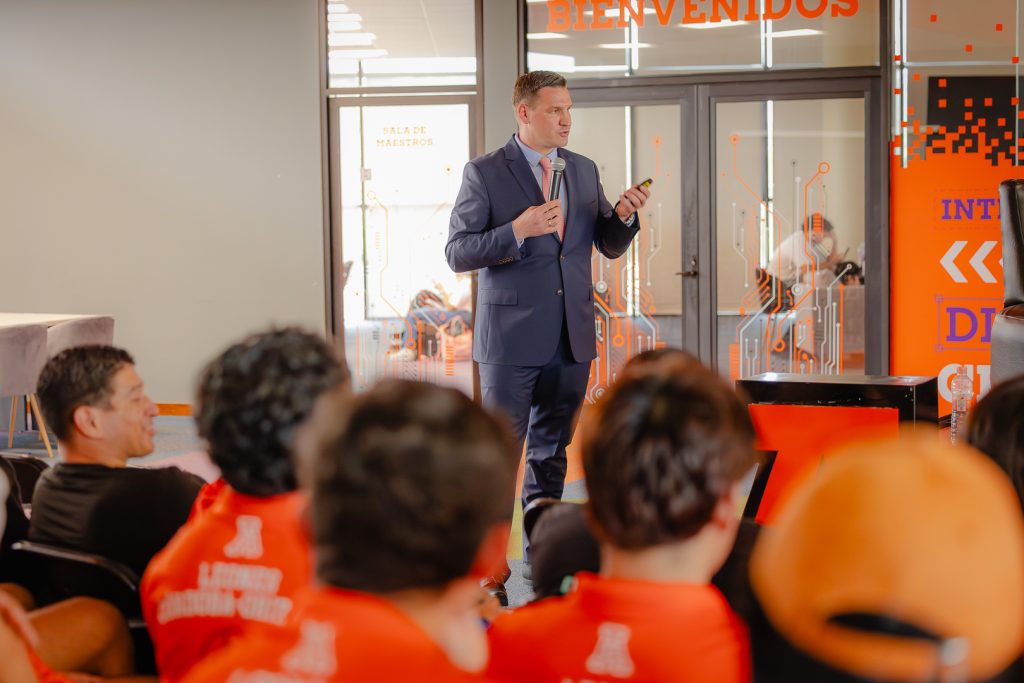
The visit’s agenda also focused on strategic talent acquisition, the dissemination of digital transformation expertise, and joint activities within the framework of the UNINOVIS alliance.
Attracting international talent
The Director of Kauno kolegija notes that today the higher education institution faces a shortage of competent personnel – both lecturers and researchers. Therefore, it is turning towards global partnerships and active talent searches in new geographical directions, including the Latin American region.
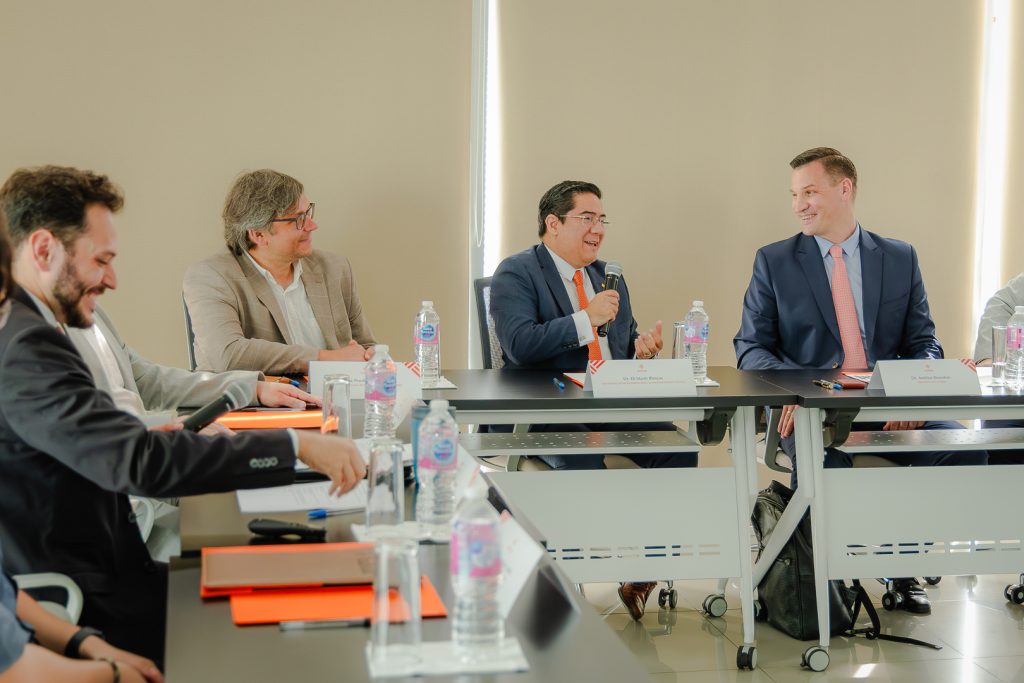
‘Currently, two lecturers from Mexico are already working at Kauno kolegija. Their successful integration and high level of competence confirm the value of this region’s academic potential. Thus, one of the tasks of this visit is to continue the strategic talent search and attract top-qualified lecturers and researchers who wish to realise their professional experience at our institution,’ says Dr A. Brusokas.
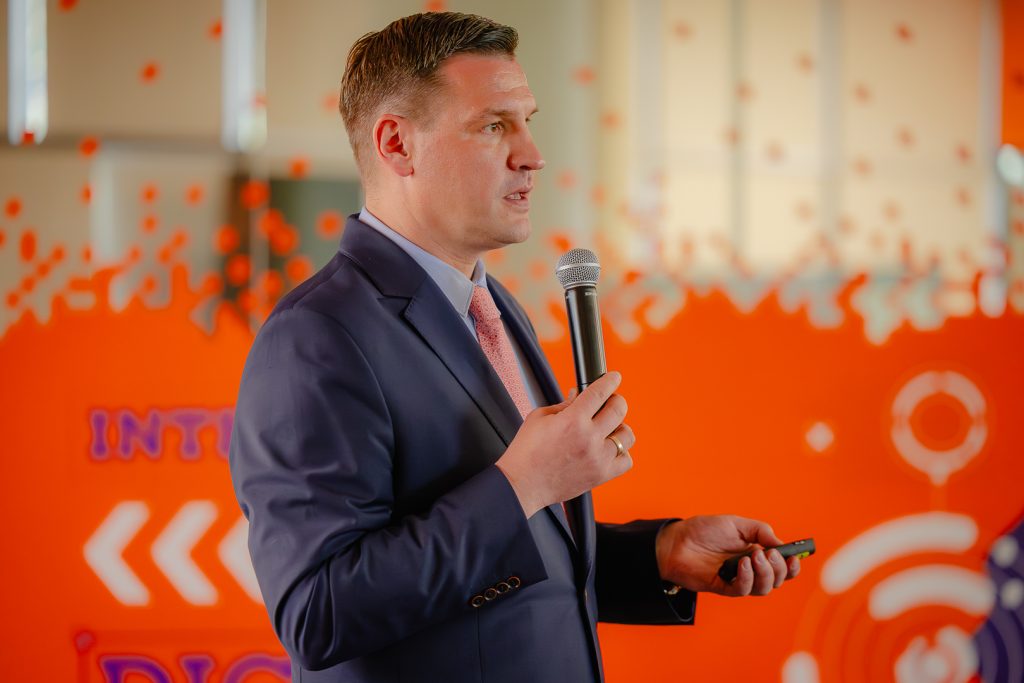
The Head of Kauno kolegija points out that during the visit, the European University Alliance UNINOVIS was also presented, and partnership opportunities were discussed. According to Dr A. Brusokas, both the alliance and the visited Mexican universities share common interests in cyber security and data analytics.
‘Another strategically significant direction is digital transformation, which is one of the fundamental priorities of Kauno kolegija. We are quite advanced in this area, so the Kauno kolegija’s experience and applied solutions are of great interest to our Mexican partners,’ states Dr A. Brusokas.
Expansion of partnership geography and academic mobility
Povilas Beseckas, Head of the International Relations Unit, notes that the visit to Mexico marks an important step in strengthening Kauno kolegija’s international cooperation network in Latin America. During meetings with Universidad Anáhuac Veracruz and Tecnológico Nacional de México Campus Orizaba, opportunities for long-term academic cooperation in studies, applied research, innovation, and academic mobility were discussed.
‘During the visit, special attention was paid to the development of student and staff exchanges, the development of joint projects, and the strengthening of intercultural cooperation. Opportunities to initiate joint activities in the fields of technology, business, engineering, and sustainability were also discussed, promoting the exchange of knowledge and best practices between institutions,’ shares P. Beseckas.
He emphasises that this visit contributes to the strategic goals of Kauno kolegija – strengthening internationalisation, expanding the geography of partnerships, and increasing international visibility by creating new opportunities for students, lecturers, and researchers to participate in international initiatives and projects.
‘Kauno kolegija and Tecnológico Nacional de México Campus Orizaba share a focus on applied studies, technological innovation, and close cooperation with the business and industrial sectors. Both institutions conduct studies and research in the fields of engineering, information technology, business management, and industrial process optimisation,’ says the Head of the International Relations Unit.
P. Beseckas adds that the partnership creates favourable conditions for developing joint projects, academic mobility, applied research, and the exchange of best practices in technology and sustainability.
Cooperation in scientific research
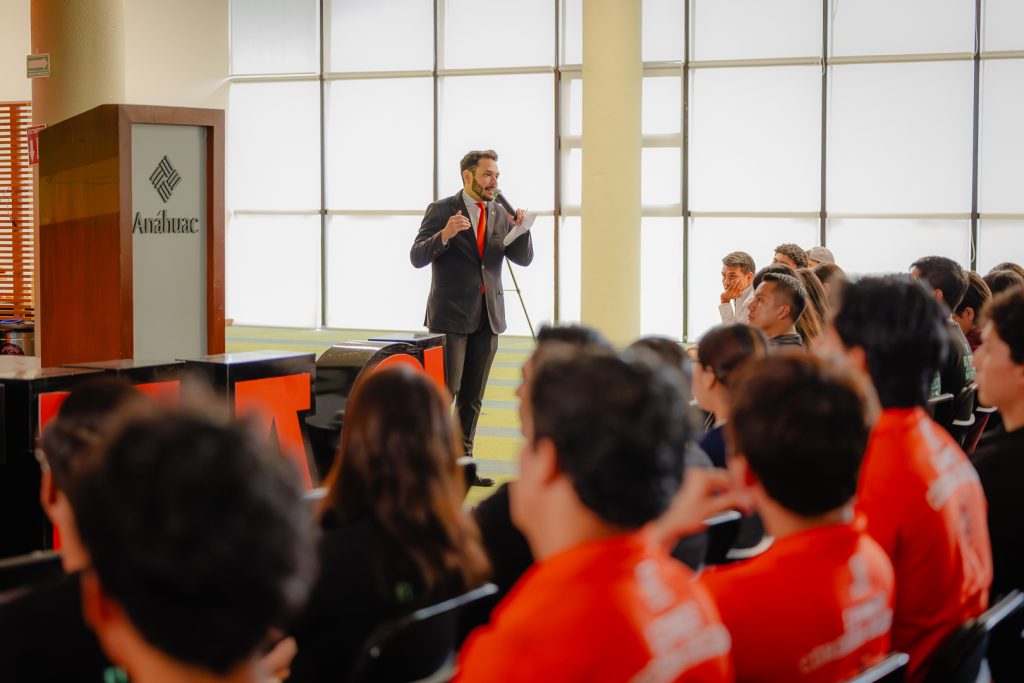
Assoc. Prof. Dr D. Barragan-Ferrer from the Faculty of Medicine notes that during the visit to Universidad Anáhuac México, the research directions of both institutions were presented, possible areas of cooperation were discussed, and prospects for joint applied research were outlined.
‘Great attention was paid to possible research directions related to the application of plant raw materials in phytotherapy, cosmetology, food, and health sectors. Opportunities to cooperate in the creation and evaluation of plant-based ingredients, extracts, and bioactive substances for use in cosmetic and health products were also discussed,’ says the Associate Professor.
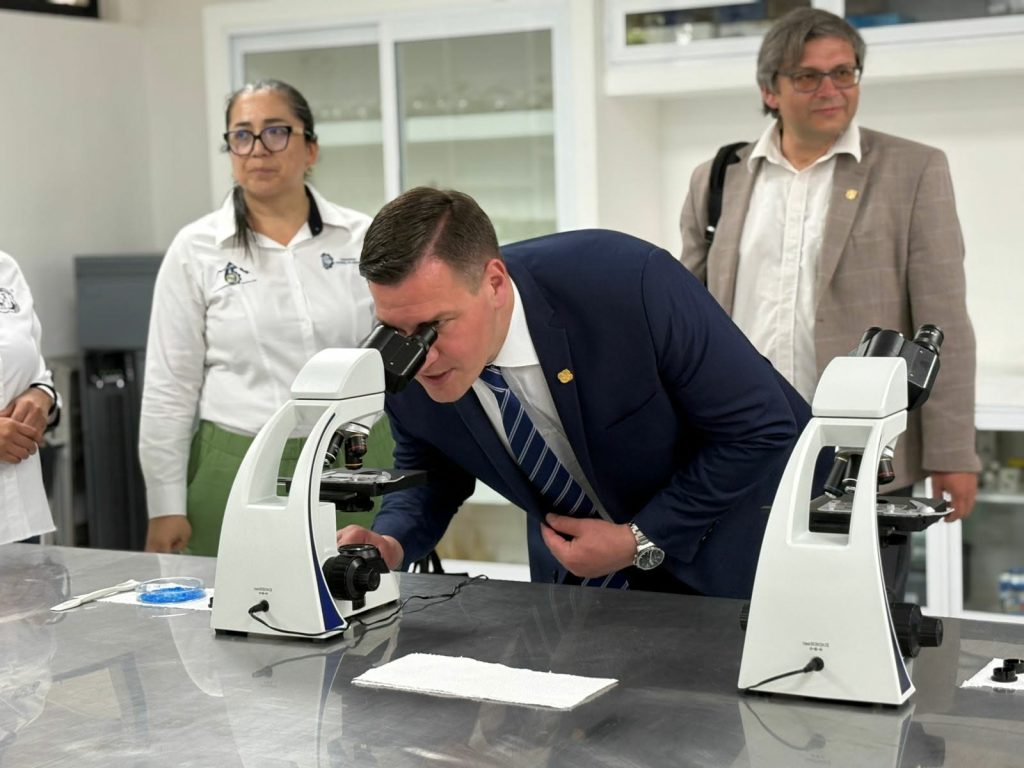
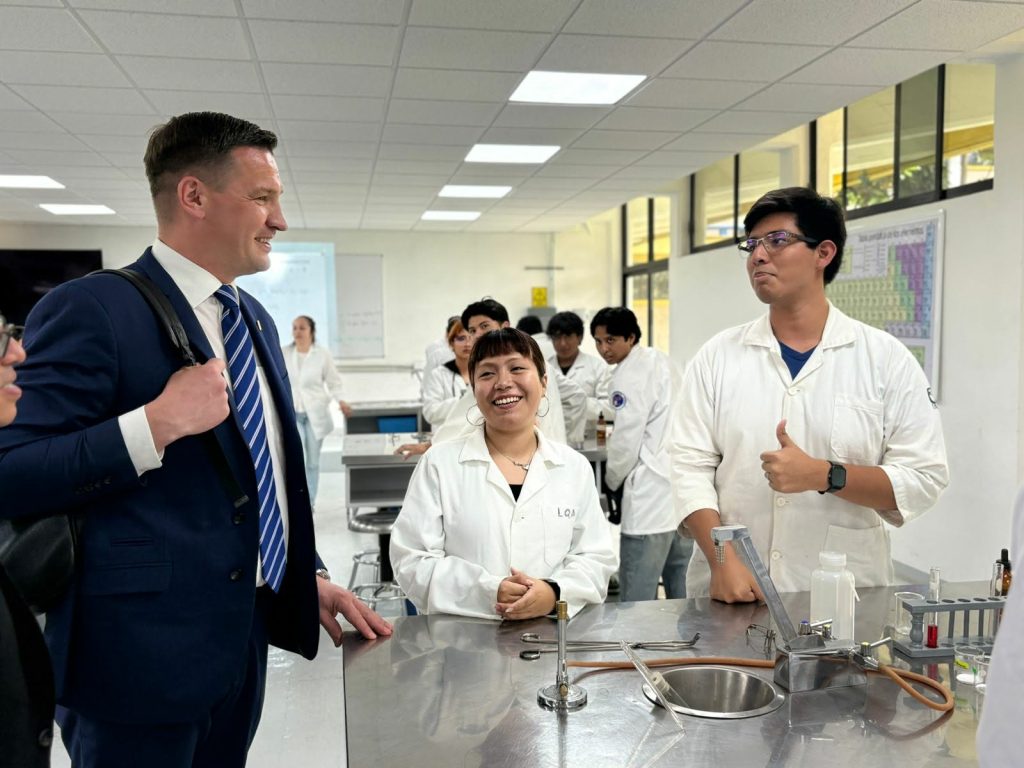
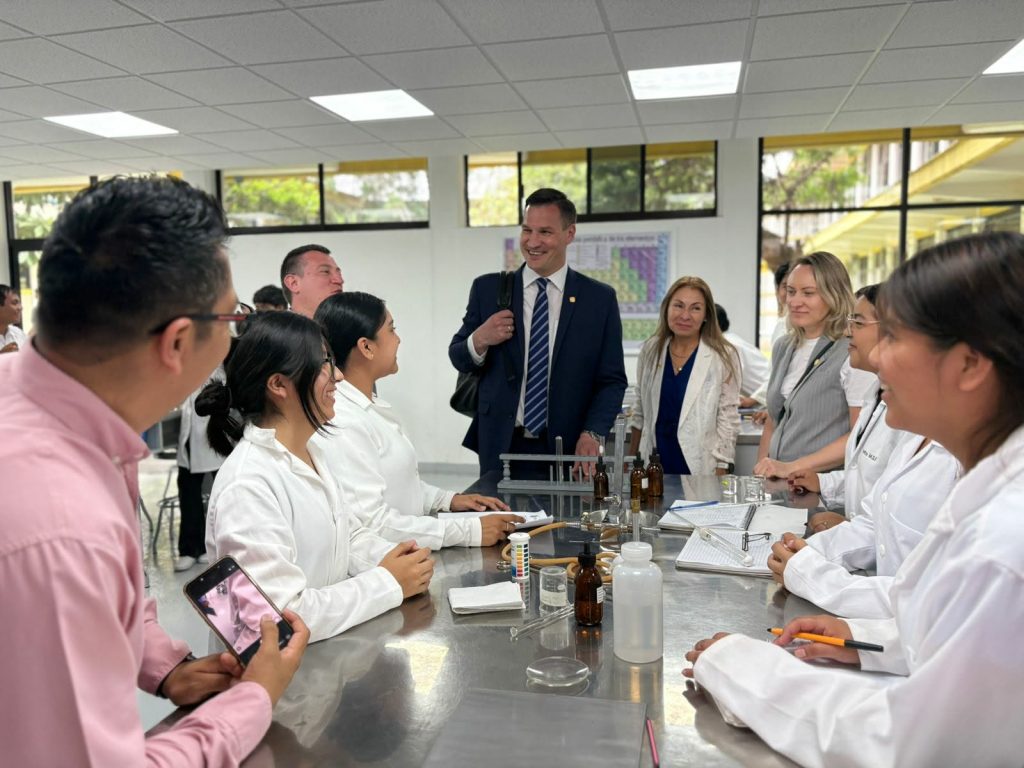
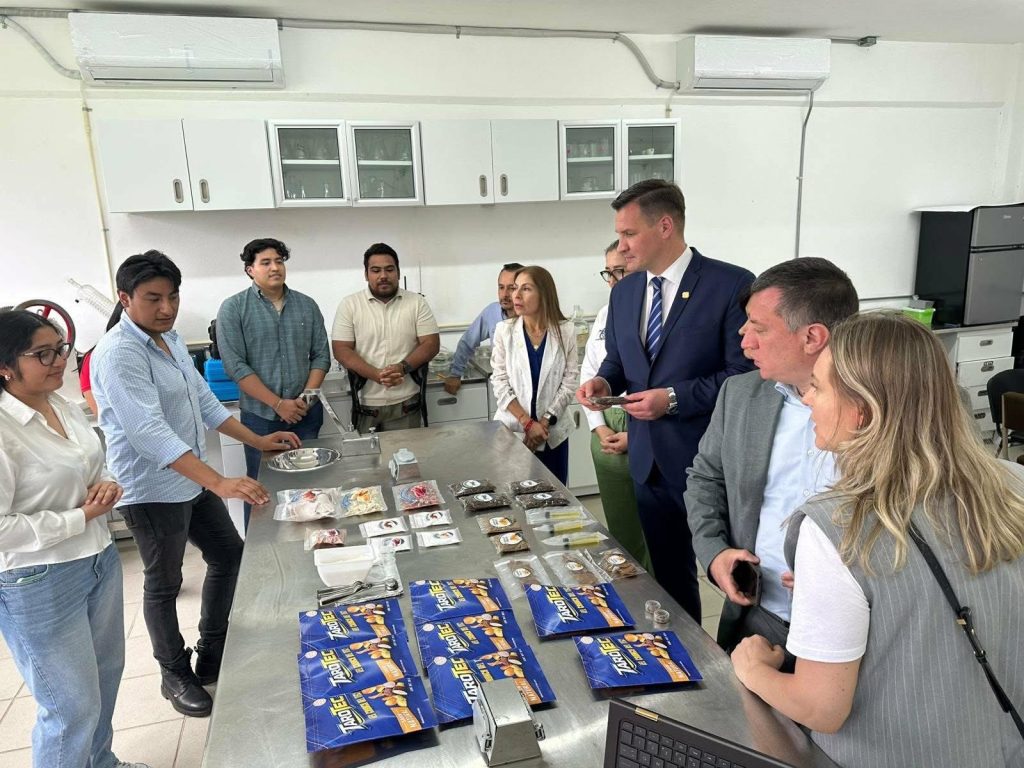
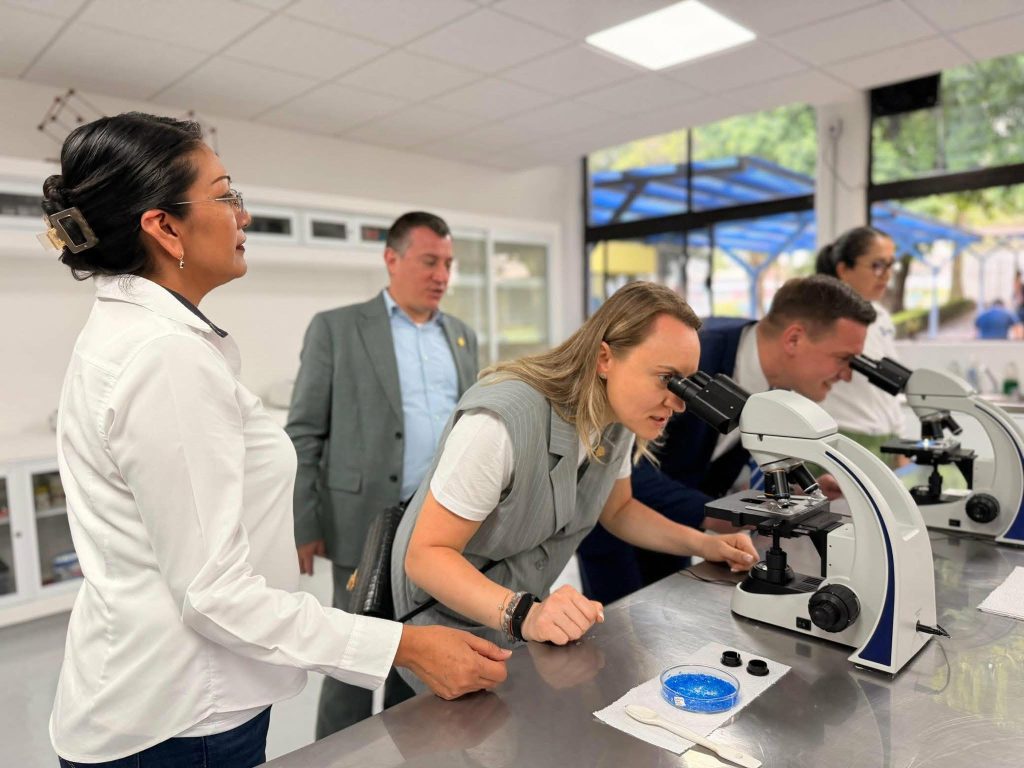
Dr D. Barragan-Ferrer adds that the university’s researchers shared their scientific achievements, presented ongoing research, and demonstrated their research laboratories. During the meeting, three patents from the university’s researchers related to the medical field and prosthetic manufacturing technologies were also presented.
‘This visit provided an opportunity to become more familiar with the university’s research infrastructure, laboratory capabilities, and the expertise of its researchers. Most importantly, specific areas such as medicine, engineering, sports, management, and others were discussed, where Kauno kolegija researchers could collaborate on research,’ shares the Kauno kolegija researcher.
The Associate Professor reveals that representatives of Universidad Anáhuac México repeatedly emphasised that they share the same vision for research and aim to create innovative solutions in the fields of health, engineering, art, management, sports, cosmetology, and applied biomedical sciences.
‘Such international ties strengthen the applied research potential of Kauno kolegija, promote knowledge exchange, and create the preconditions for new international projects,’ emphasises Dr D. Barragan-Ferrer.