Redefining the internship: a Kauno kolegija student’s extraordinary experience in Tanzania
A trek to the summit of Kilimanjaro, nights spent in farmers’ huts, and an encounter with one of the world’s last hunter-gatherer communities – these are just a few of the adventures experienced by Ona Čenytė, a third-year Tourism and Hotel Management student at Kauno kolegija’s Faculty of Business. Seizing the opportunity to complete her internship abroad, O. Černytė swapped a comfortable city office for an extraordinary experience: she packed her rucksack and headed for Tanzania.
While such a decision might cause some to raise an eyebrow, O. Čenytė smiles: ‘For many years now, my choices haven’t surprised my loved ones. They simply nod and see me off with great love to explore the world.’
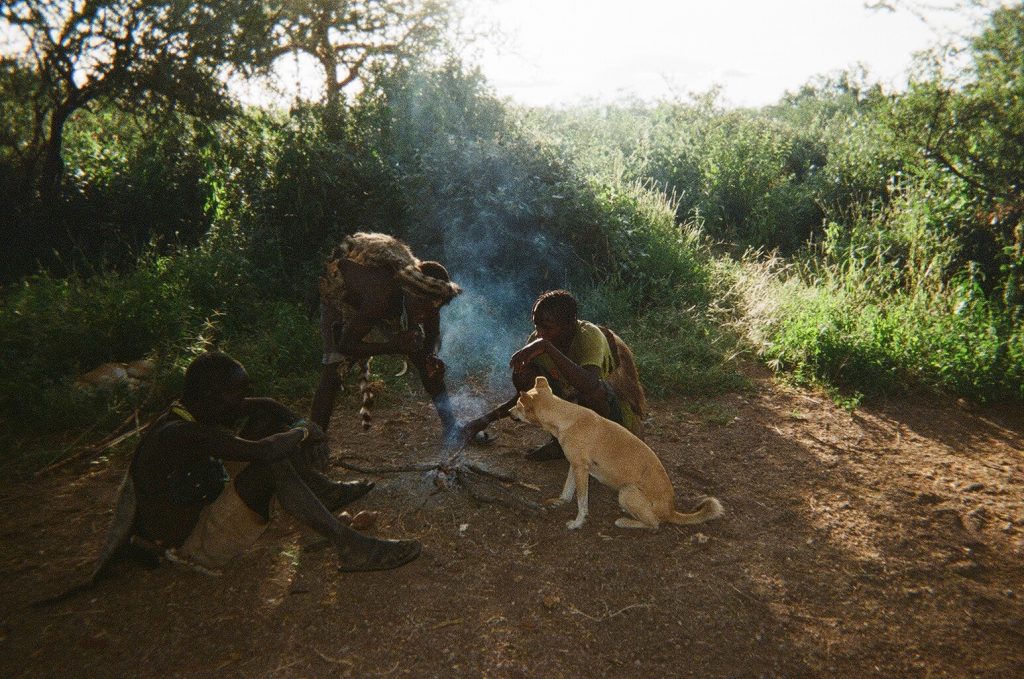
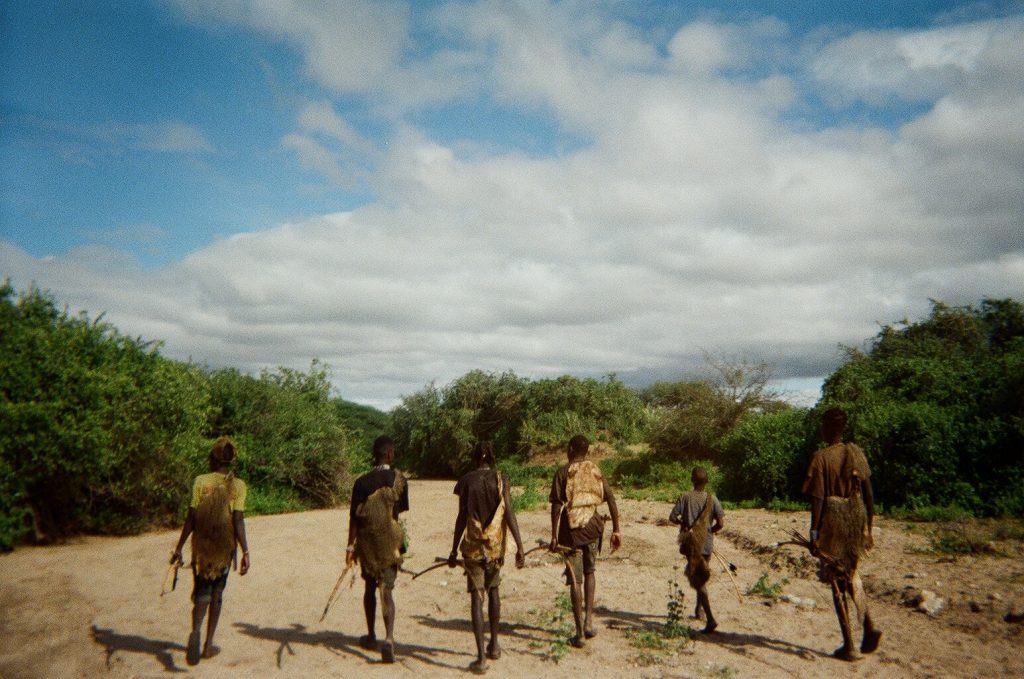
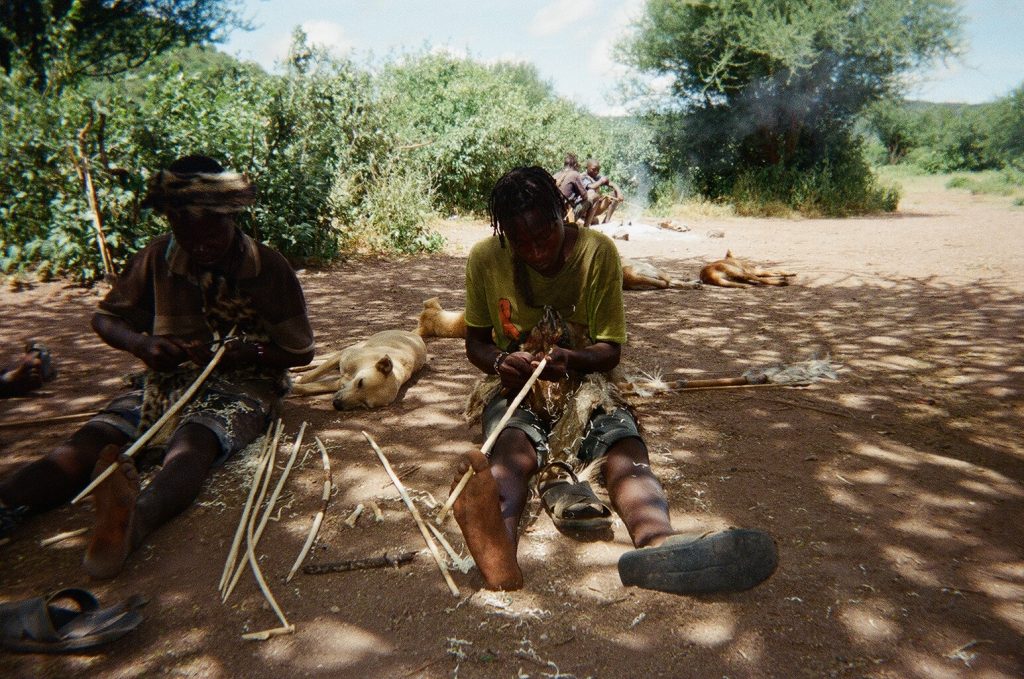
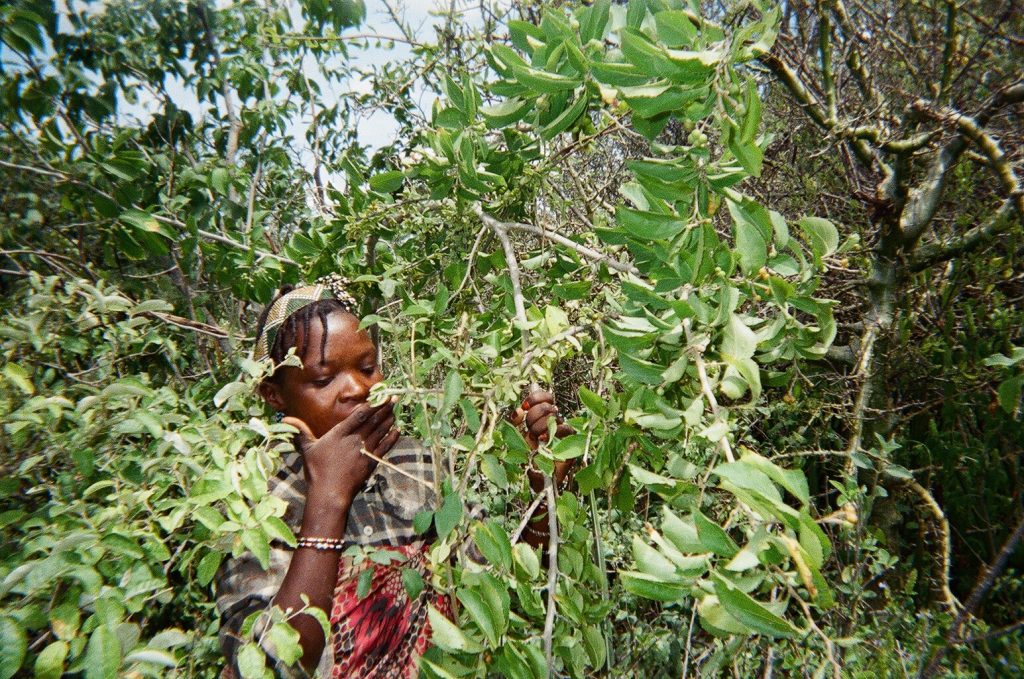
An encounter with one of the last hunter-gatherer communities
For the globe-trotting student, this internship was not her first introduction to the East African nation. She first visited four years ago as a volunteer at a local school.
‘At that time, it was my first solo trip, my first realisations and lessons on how the world works for a tourist. After that three-month journey, I decided to study tourism. By my final year, I knew I wanted to use my bachelor’s thesis not just to choose an interesting topic, but as an opportunity to travel,’ says O. Čenytė.
Her second trip to Tanzania was inspired by anthropology lectures during her first year of study: ‘We had anthropology with the wonderful lecturer Aušra Liorančaitė-Šukienė. That’s how I became interested in cultures and their vibrancy. Tanzania was the perfect choice because it has more than 120 ethnic groups.’
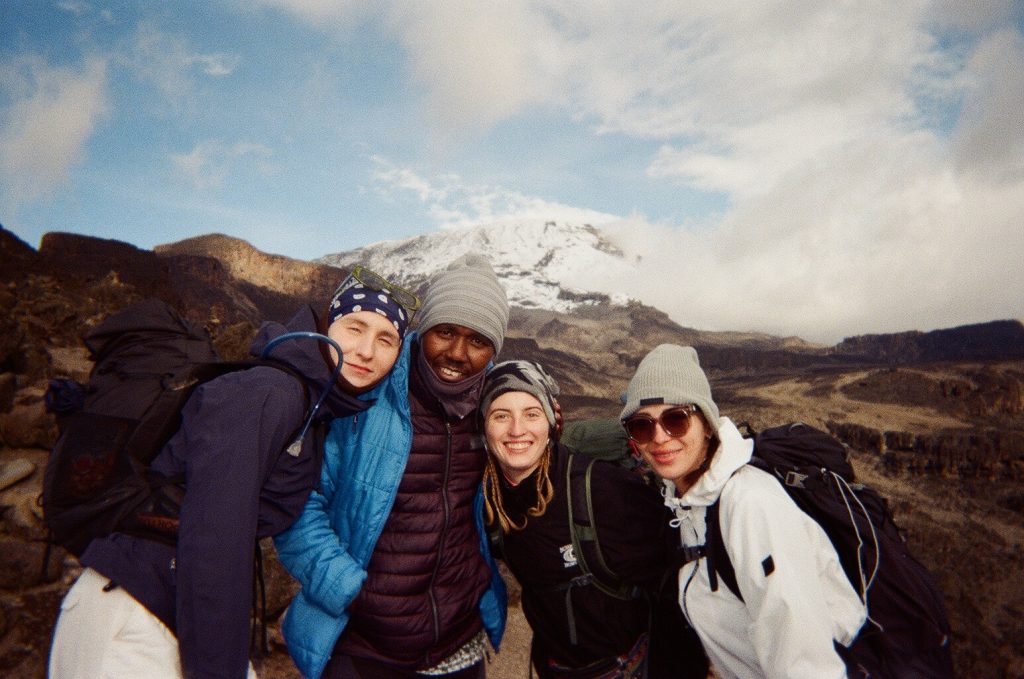
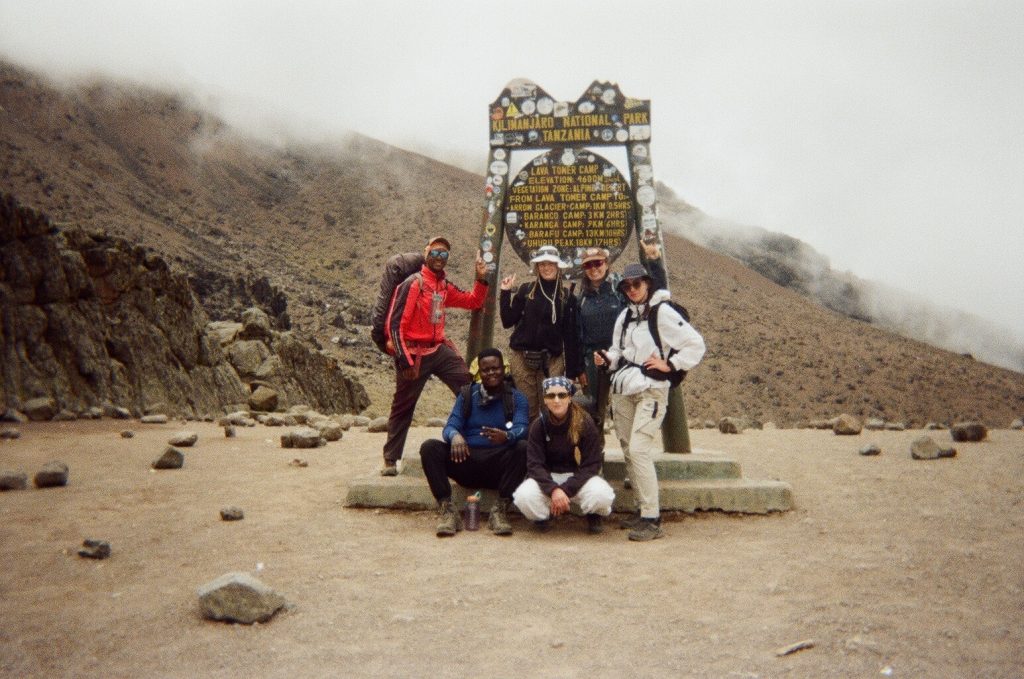
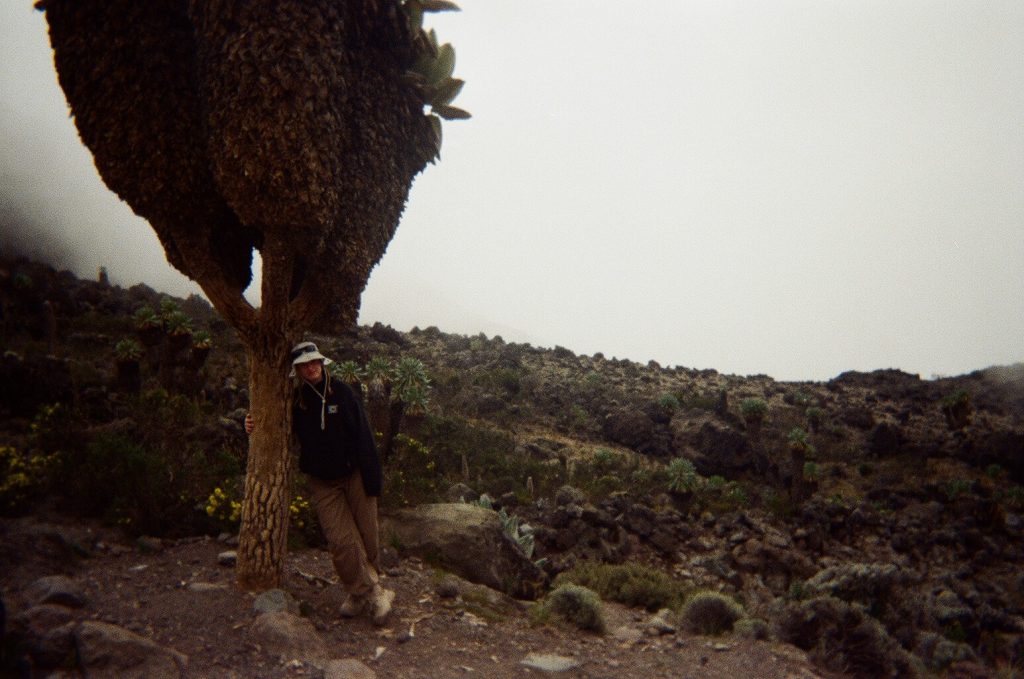
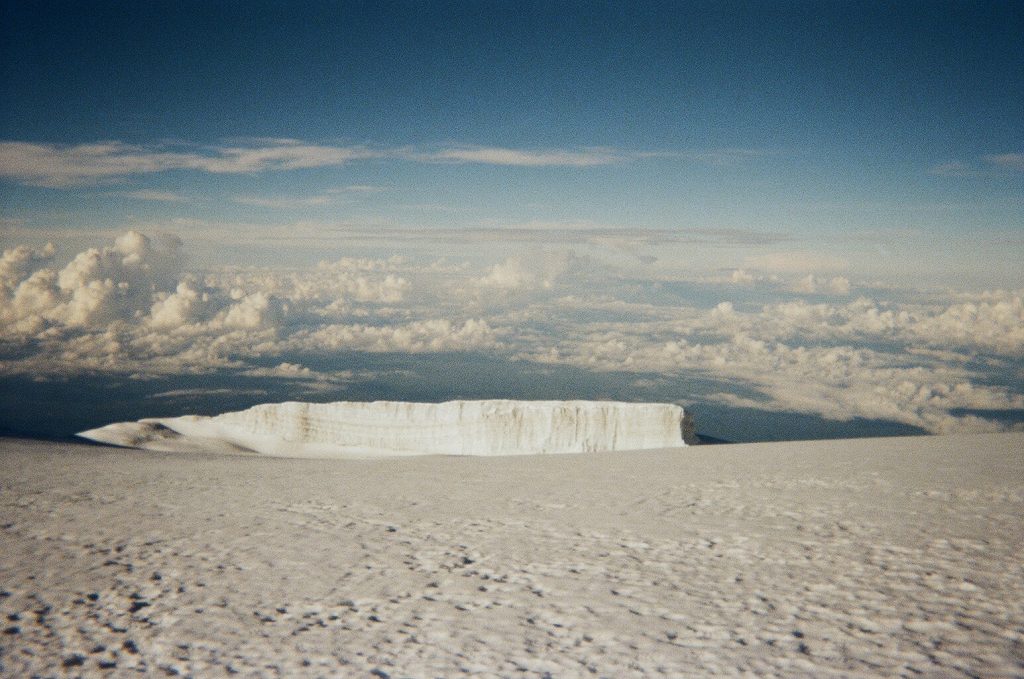
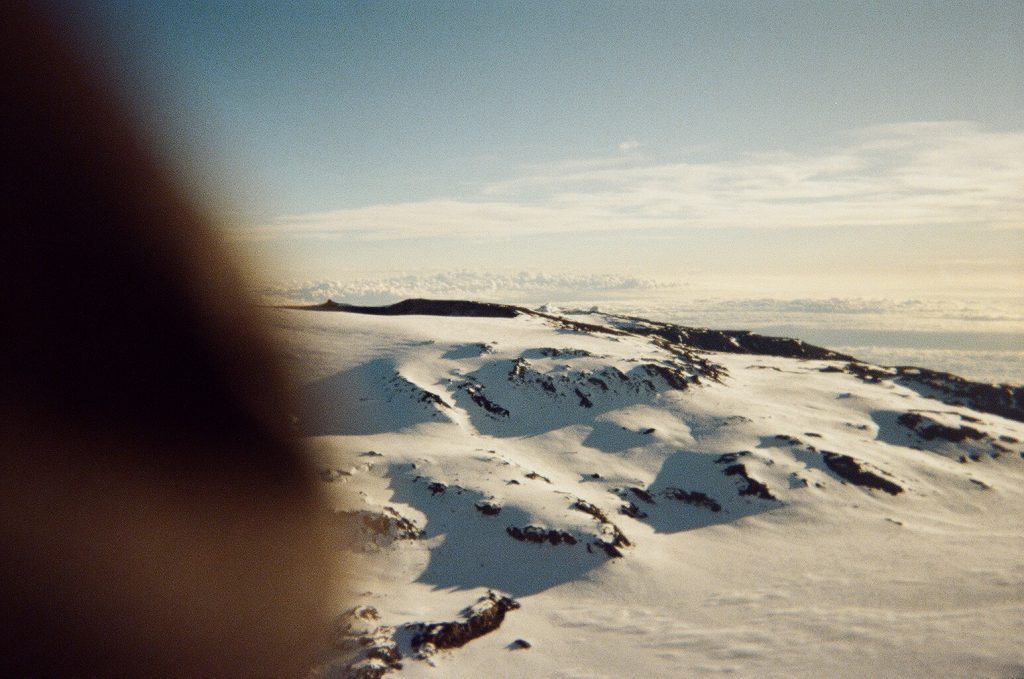
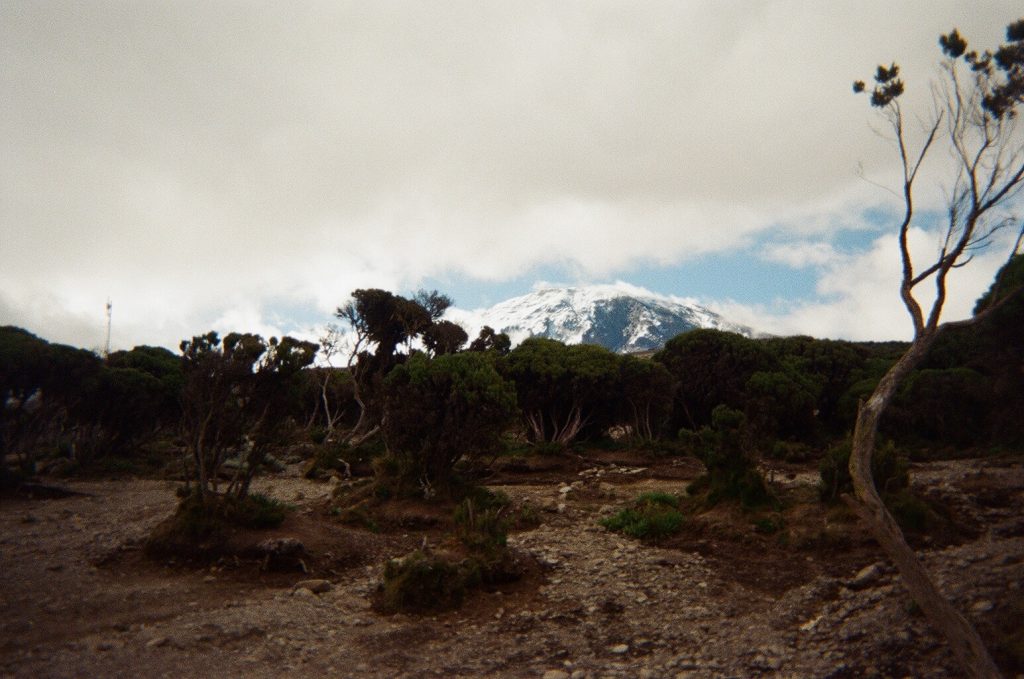
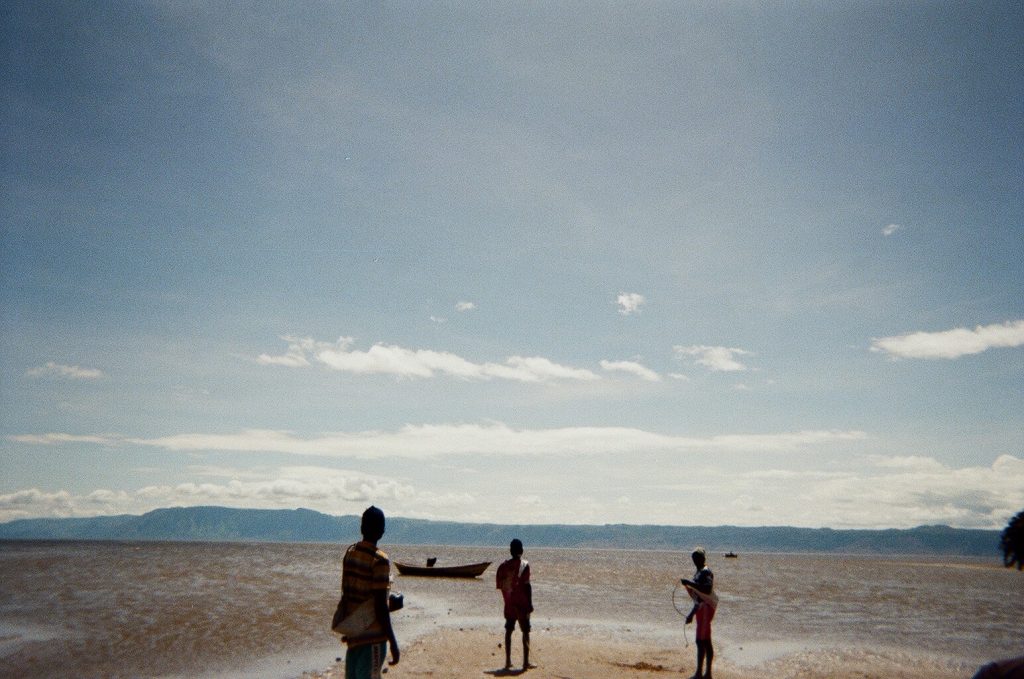
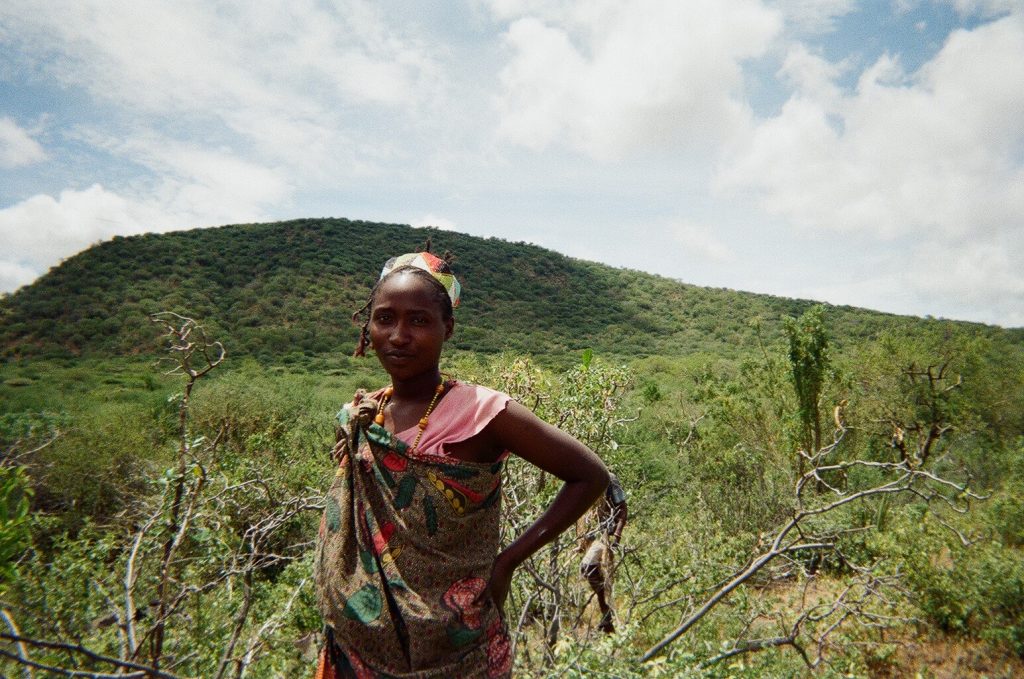
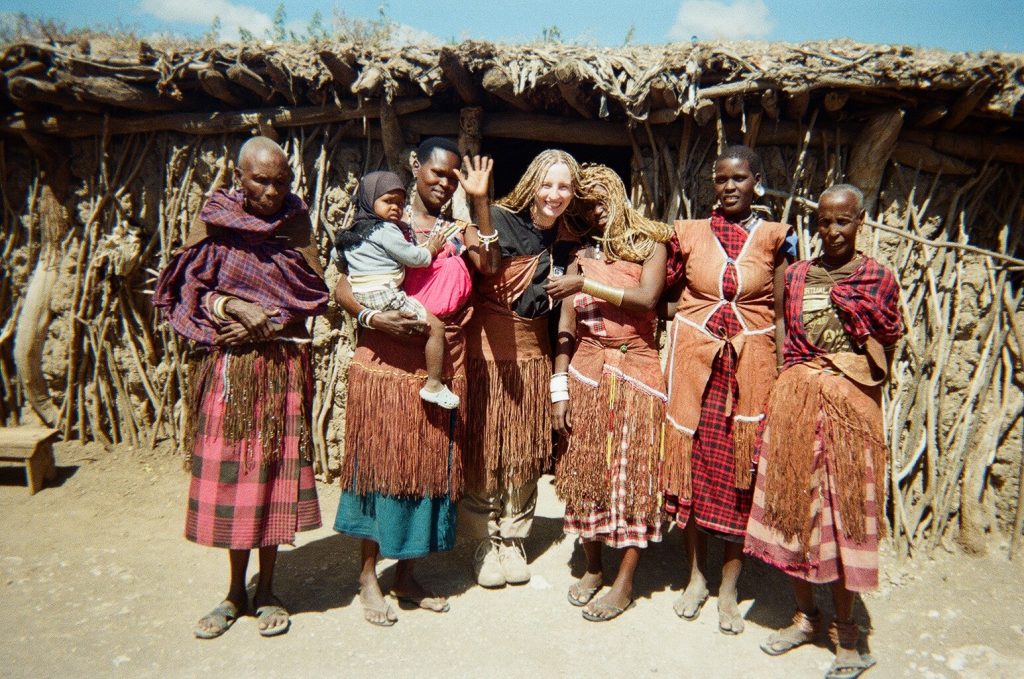
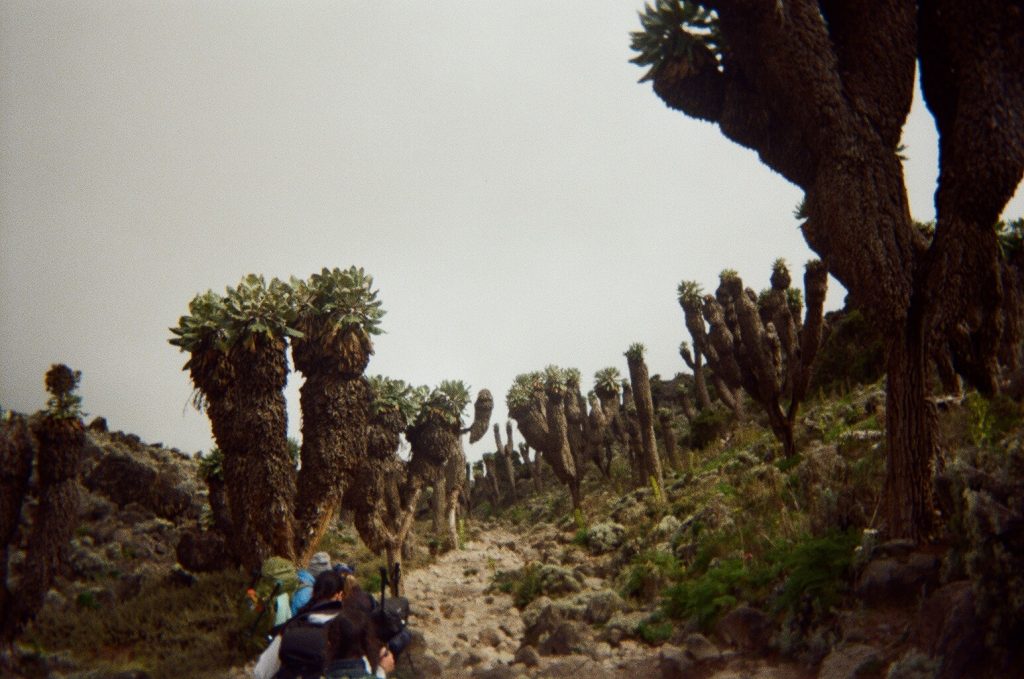
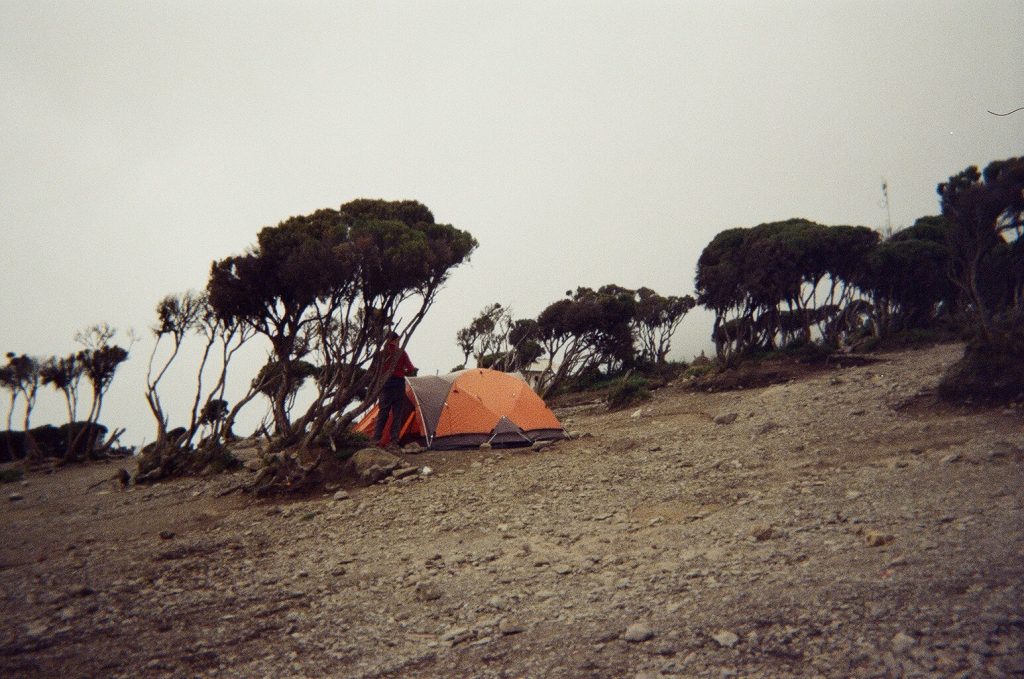
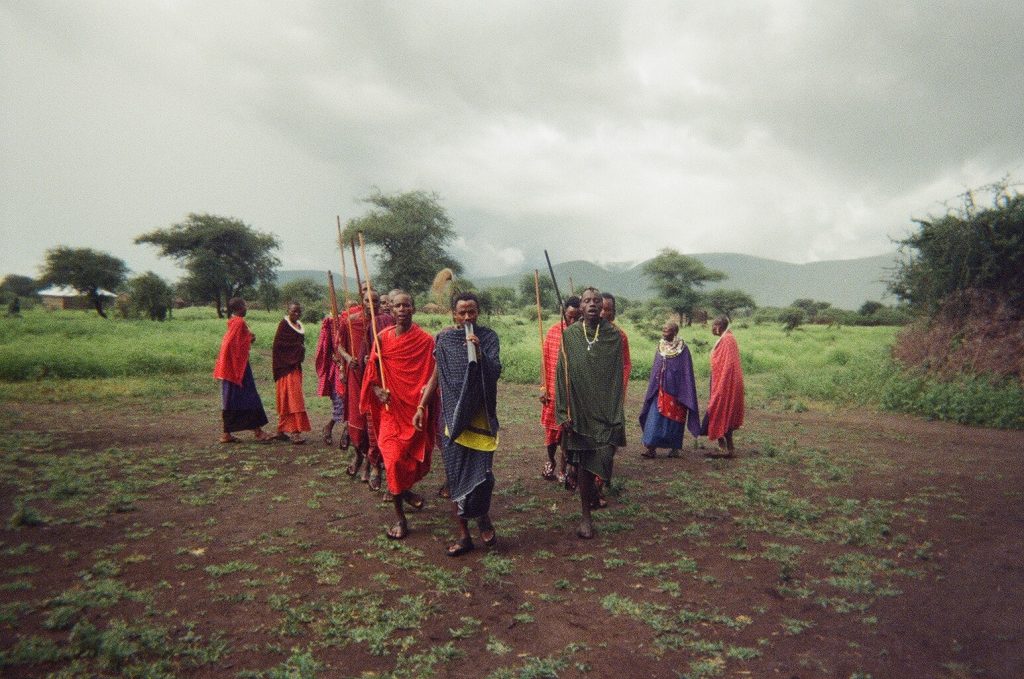
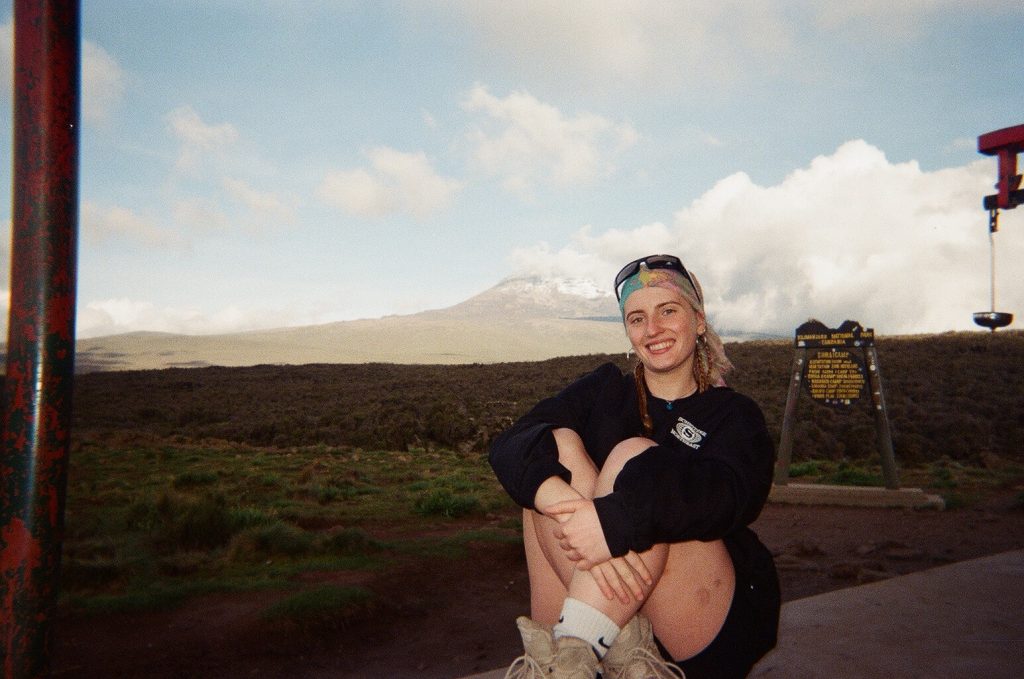
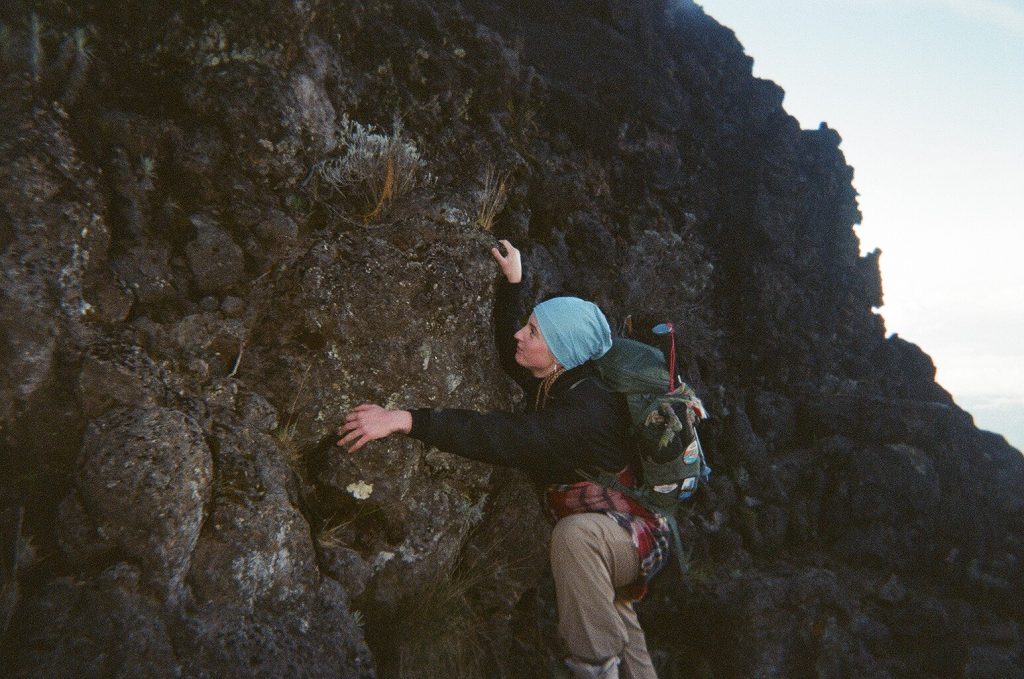
During the month-long internship, the Kauno kolegija student worked in an office in Arusha, climbed Mount Kilimanjaro (the highest peak in Africa) with a tour group, went on safari in Tarangire National Park and the Ngorongoro Conservation Area, and embarked on a 10-day journey to Lake Eyasi to visit three ethnic groups: the Hadzabe, Datoga, and Maasai.
‘During the internship, I mostly travelled with tourist groups. I joined active holidaymakers on a six-day trek to Uhuru Peak and explored safaris and Africa’s stunning wildlife with those on nature tours. I also experienced community tourism, where tourists don’t just observe but actually live and ‘test’ the local way of life. My favourite was the Hadzabe ethnic group,’ O. Čenytė explains.
She reveals that this tribe is considered one of the last remaining hunter-gatherer communities in Tanzania, living in the north near Lake Eyasi and the Yaeda Valley, with a population of about 1,300. They are known for their nomadic lifestyle, strong connection to nature, and minimal material possessions.
‘It felt like stepping into a museum, seeing men building fires in one display and a real-life Pocahontas in another. It was effectively ‘Night at the Museum’, except I wasn’t in a museum – I was in someone’s daily life. Visiting this community made me realise I hadn’t just chosen an interesting topic or a beautiful country; I had given myself a gift – the chance to see how one of Africa’s last hunter-gatherer communities truly lives,’ she shares.
From baboons on the road to guarding against hyenas
O. Čenytė admits she deliberately avoided researching myths about Tanzania before leaving: ‘I have a trait that is both terrible and wonderful – I don’t look things up. When you don’t know, you don’t have preconceptions.’ The only thoughts she had concerned African cuisine and the necessity of drinking only bottled water.
‘When I first visited Tanzania, my mother told me to see everything, so I even ended up in hospital with water poisoning,’ she recalls. ‘Lesson learned: I have returned healthy and safe, without tasting the raw river water that the Hadzabe drink.’
As this wasn’t her first trip, she was already familiar with the cultural differences: ‘Waiting nine hours for a train didn’t surprise me, and the bustle of the cities felt very familiar. Seeing a baboon in the middle of the road was just a moment of pure joy.’
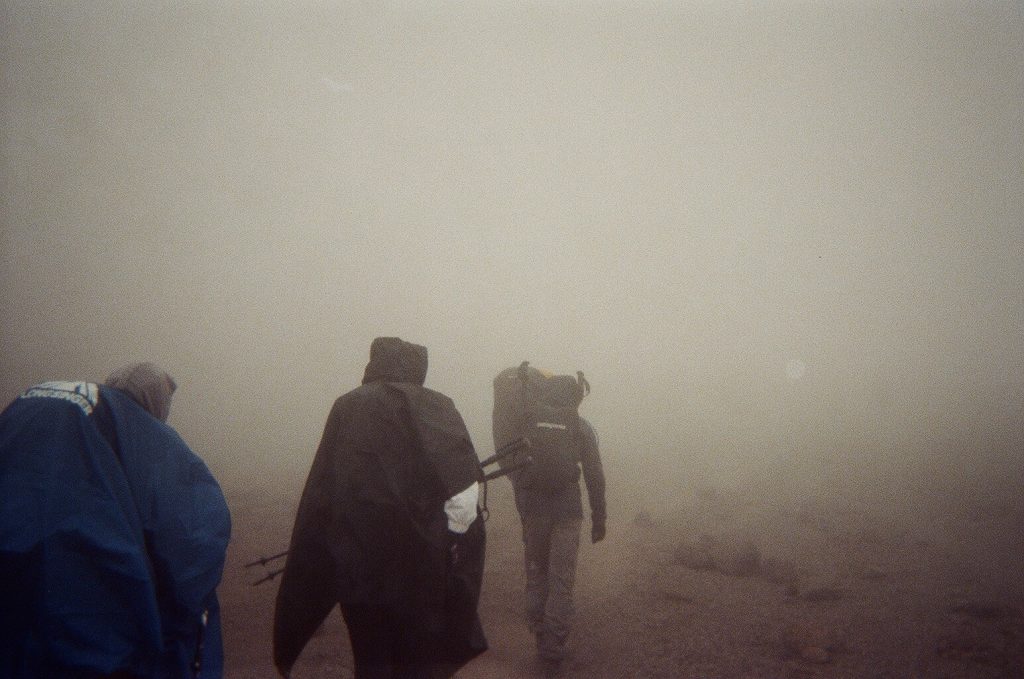
One of her most vivid memories was the climb up the mountain with a support team. While locals carried the equipment, her own body reminded her of the altitude: ‘A pounding heart, feeling your lungs, and the urge to nap on a rock – but the beauty at the top quickly clears your head.’
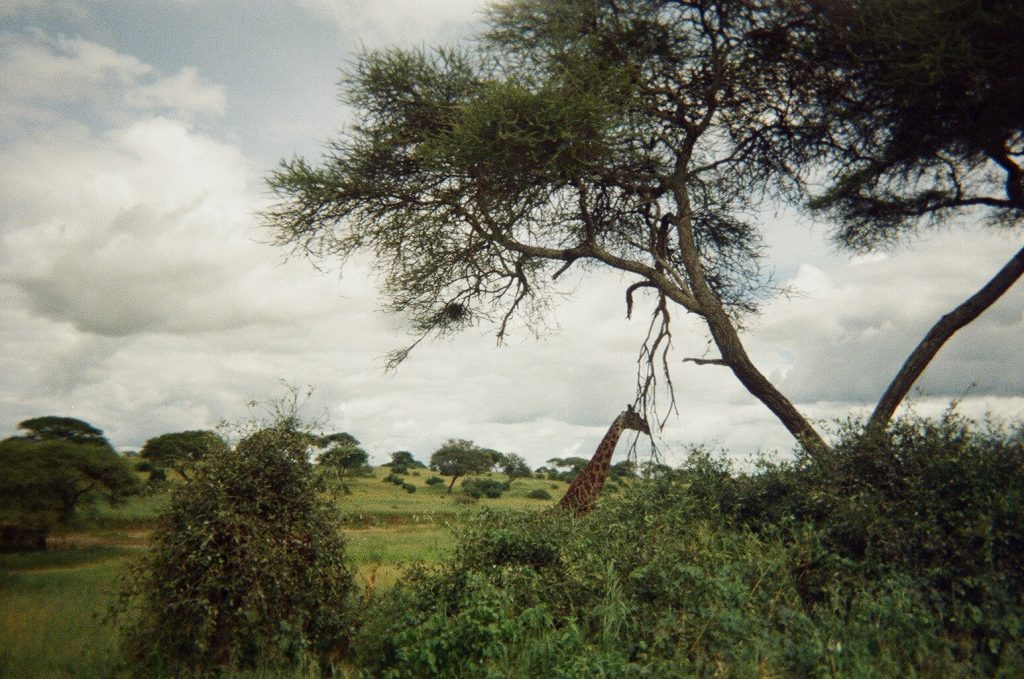
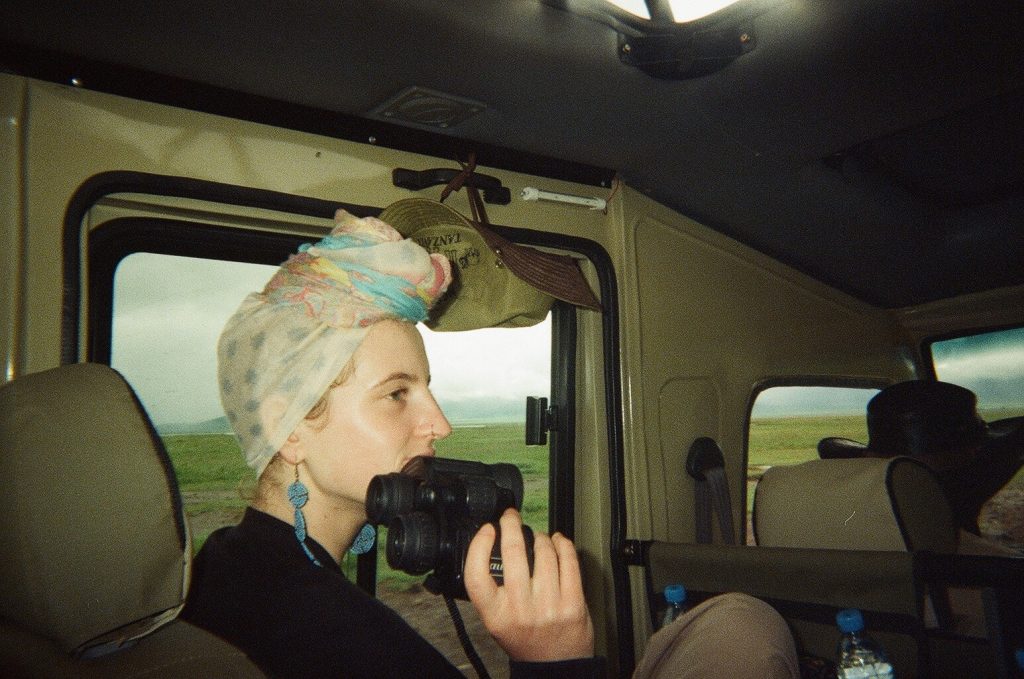
O. Čenytė adapted easily to the living conditions, climate, and food: ‘I was born to travel.’ April was the off-season – hot but very rainy. However, during her six days in the mountains, it only rained for two hours, and she avoided the rain entirely during her safaris.
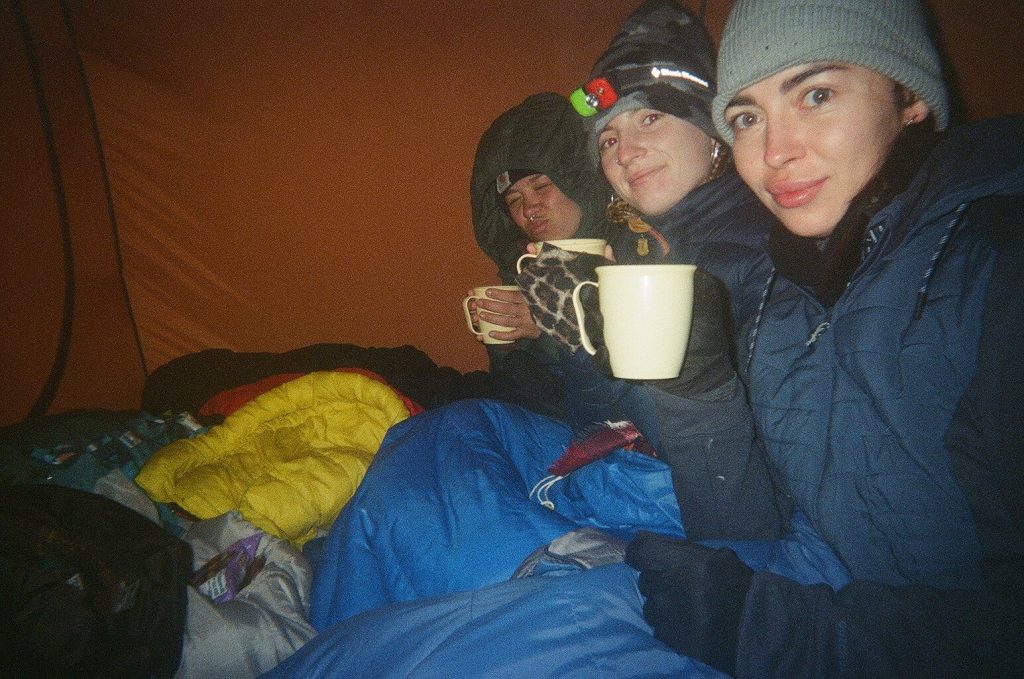
‘Meanwhile, hunting with bows in the rain with the ethnic groups only made the experience more intense. I wanted to live as simply as possible, so tents, farmers’ huts, and lovely hostels were my favourites. Outdoor toilets and bucket-shower mechanisms reminded me of how little a human actually needs,’ she says.
Though she didn’t experience culture shock, she was surprised by how distinct the ethnic groups were despite living close to one another – from their traditional colours and customs to their varying attitudes towards tourists. In some places, she was ignored; in others, the locals were so curious that ‘it felt like they had come to see my culture rather than the other way around.’ Nevertheless, she remains convinced that we are all very similar.
‘Perhaps we differ only in how much we need and how we accept life. The people I met were very open and deeply spiritual. I attended rituals to ward off evil spirits – and they were definitely warding something off; a woman even fainted at the altar. I also experienced incredible hospitality, like when a farmer saved me from hyenas by letting me sleep in his hut,’ O. Čenytė shares.
The rule of greeting everyone
‘Zoo animals, necklaces, and sincere people’ – these are the keywords O. Čenytė would use to describe Tanzania to someone who knows nothing about it. For instance, seeing an elephant roaming free is an incredible experience that sometimes costs nothing.
‘Just don’t carry a watermelon, or you might become an elephant’s worst enemy,’ she warns. ‘Necklaces also remind me of Tanzania because I bought some bright, neon green ones myself. Those market sales skills are impossible to resist. I hadn’t even planned on buying anything, but…’
She adds that the purchase was special as it was made by a Maasai woman. Above all, she was struck by the sincerity of the people. Greeting everyone is standard; striking up a conversation is a rule everyone follows.
‘Every time I return to Lithuania, I greet everyone who catches my eye, but after a while, I go back to walking with my head down because it’s not common here,’ she says, adding that the internship provided her with both knowledge and the happiness of having seized the opportunity.
‘If it weren’t for the choices I made four years ago, I might have gone somewhere else. It’s great to realise that we need to do things even if we’re afraid, because in the future, they can open doors to opportunities we never even imagined,’ concludes the Kauno kolegija student.